Memory and Power: Managing Storage and Battery Life on Extended “Off the grid” Shoots
One of the less glamorous aspects of photography in remote locations is the logistical challenge of keeping your gear powered and your files secure. You may be tens of kilometers from the nearest plug socket, shooting in extreme temperatures and capturing thousands of high‑resolution images per day. If your batteries die or your cards fill up, the most expensive camera body becomes a paperweight. This article explores strategies for managing memory and power during extended shoots, combining modern best practice with lessons from my own time in the field.
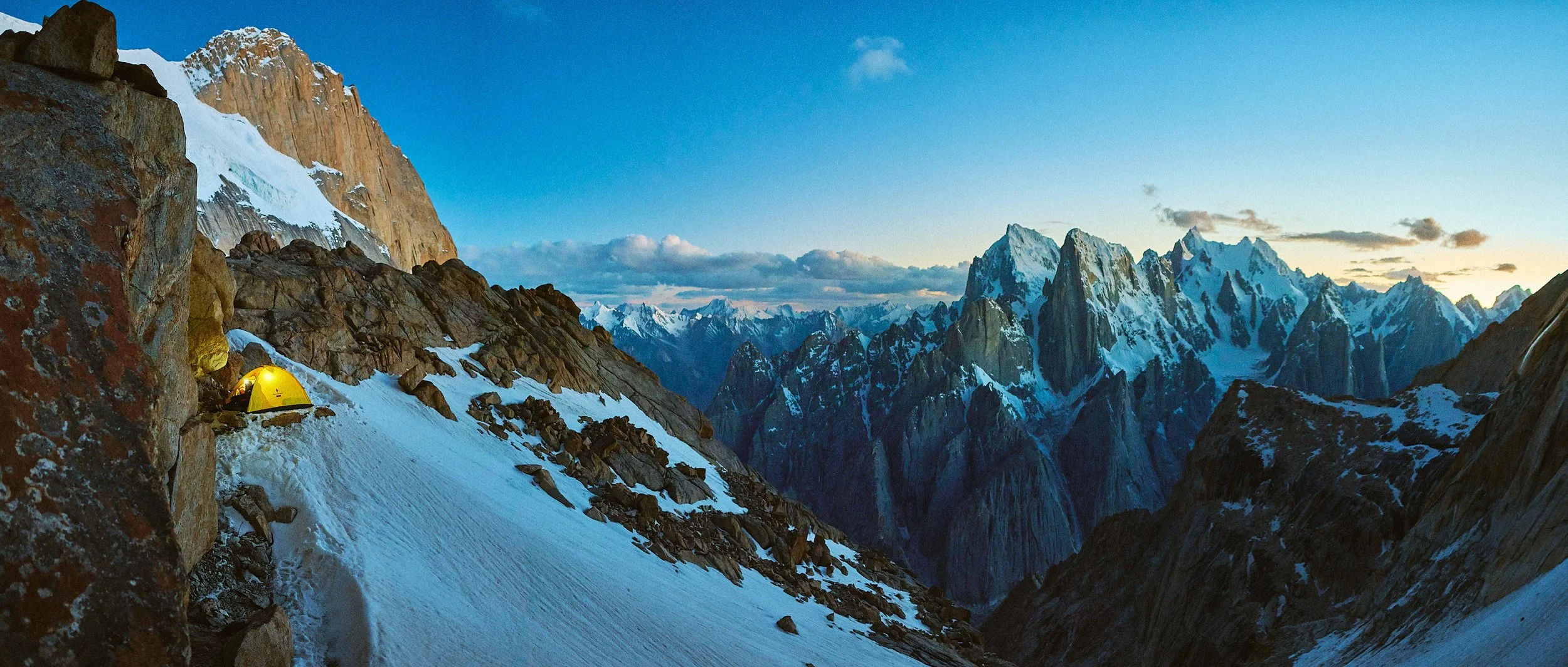
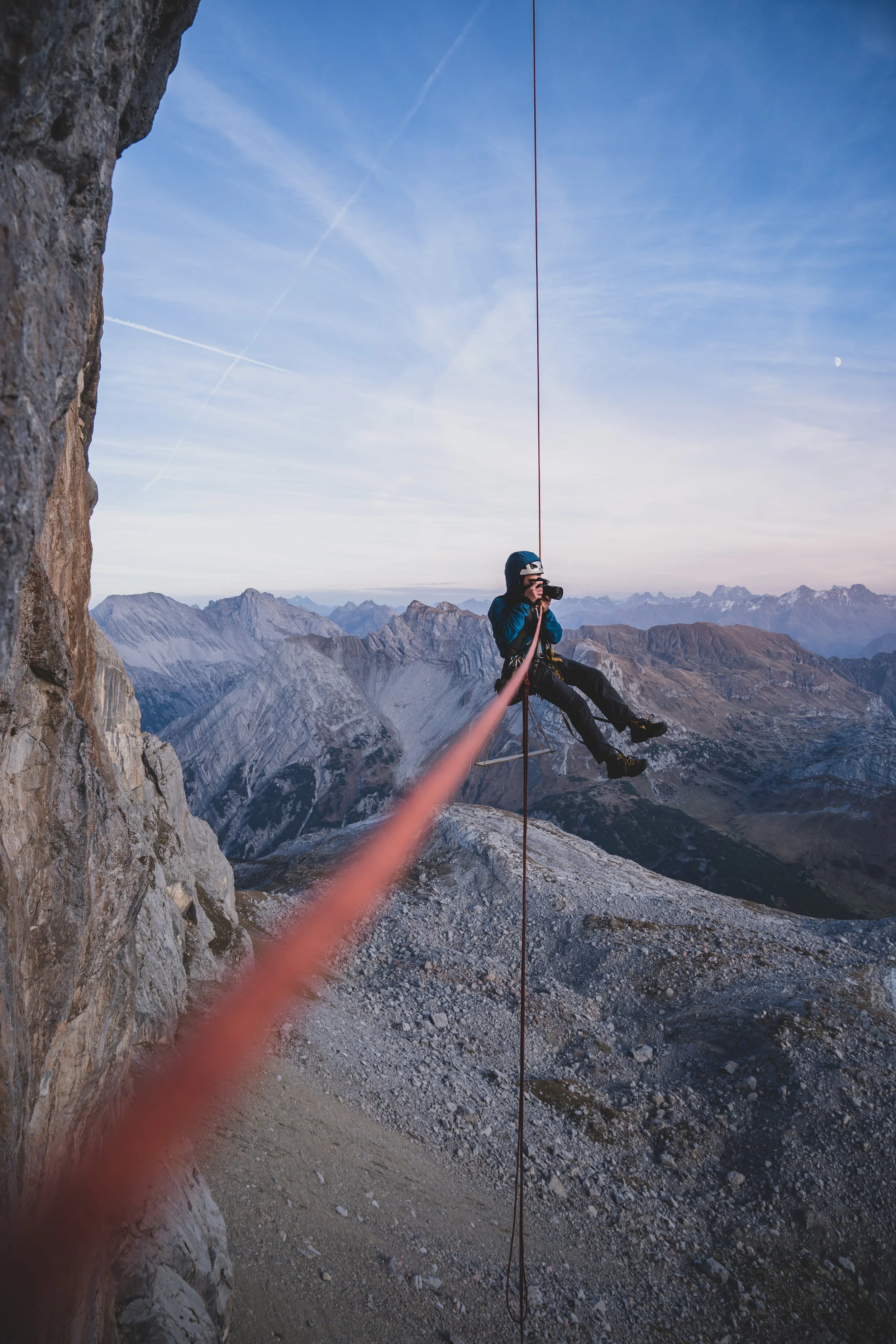
High camp on the Trango Towers, Pakistan.
The Storage Dilemma
Modern cameras offer incredible resolution and fast frame rates, but those files add up quickly. A single RAW file from a 50 MP camera can easily exceed 50 MB, and burst sequences produce dozens of frames. On a multi‑day safari or expedition, you might return with hundreds of gigabytes of data.
Choosing the Right Cards
Capacity vs. redundancy: Large cards (128 GB, 256 GB or larger) allow you to shoot longer without swapping, reducing the risk of dust entering the camera. However, if a card fails you could lose an entire day’s work. My approach is to use several mid‑sized cards (256 GB). That way, if one card fails, the loss is limited and you still have a backup card. Always carry at least one spare more than you think you’ll need.
Speed matters: High frame rate cameras require cards with fast write speeds to clear the buffer quickly. Look for UHS-II or CFexpress cards that match or exceed your camera’s specifications. Slow cards can cause the camera to lock up or miss crucial moments. Some of the 2026 mirrorless bodies can sustain 15–20 frames per second ; slow cards will not keep up.
Labelling and organisation: Label each card clearly and rotate them systematically. When a card fills up, I mark it as “full” using a small sticker or separate wallet. This simple habit prevents accidental formatting in the field.
Field Backup Solutions
Portable SSDs and backup drives: Rugged solid‑state drives have become more affordable and reliable. I carry two 1 TB SSDs in padded cases. Every evening, I copy new files from my cards to both drives, giving me two backups. Many portable drives now have built‑in SD readers or connect to your laptop via USB‑C for fast transfers.
On‑the‑go backup devices: There are dedicated backup devices with integrated card readers and internal storage. These allow you to offload cards without a laptop. Some models have built‑in screens that confirm the transfer. They’re particularly useful on trips where you need to travel light.
Cloud backup limitations: In remote areas, internet access is often nonexistent. Don’t rely on cloud backup until you return to a location with reliable Wi‑Fi. Instead, maintain multiple local copies as insurance.
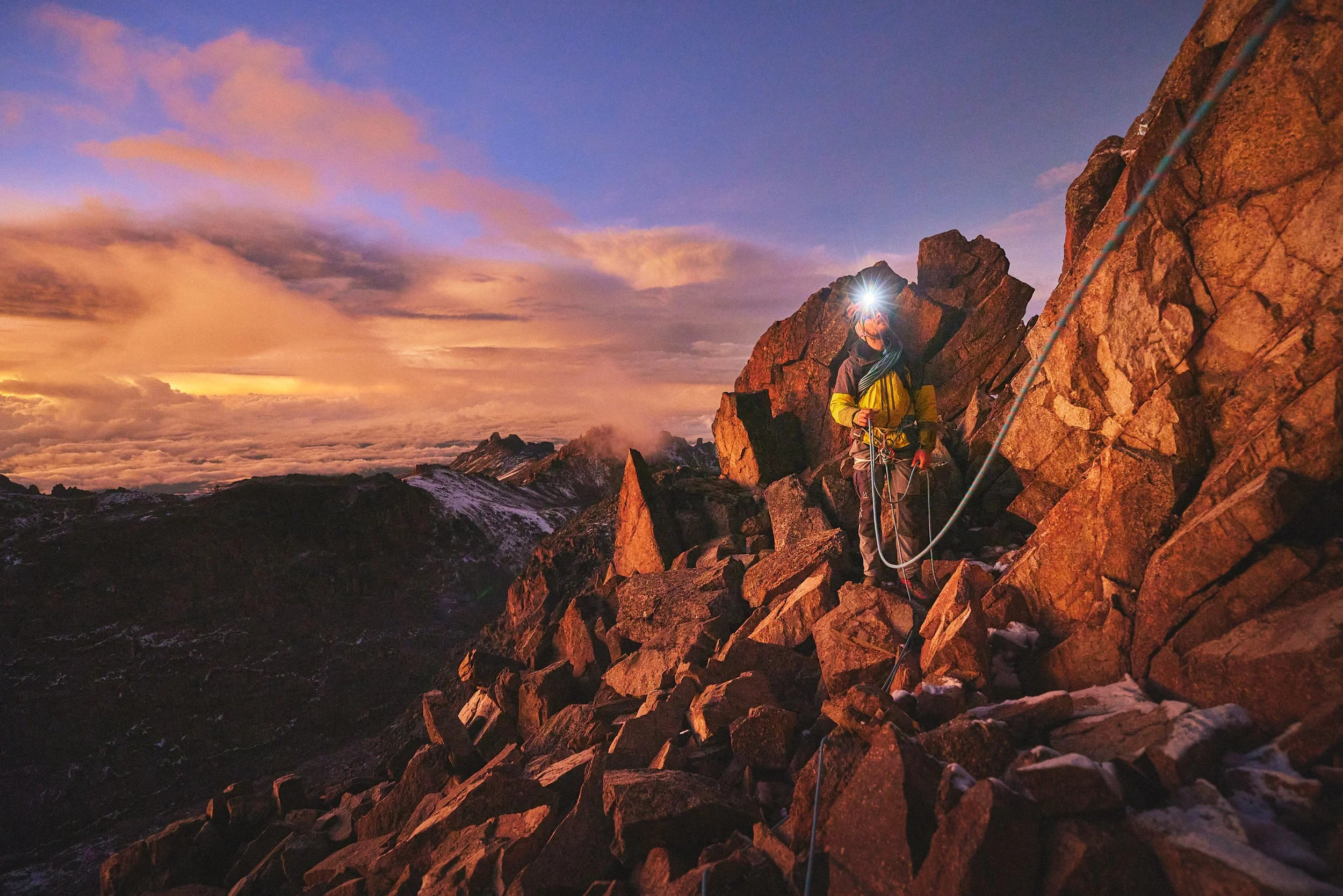
Sunrise, close to the Mount Kenya summit.
The Power Challenge
Wildlife photography often involves early mornings, long days and late evenings, which can drain even the best batteries. Cold temperatures further reduce battery efficiency. Here are strategies to keep your gear powered.
Carry Spares and Rotate
Always carry multiple camera batteries—at least three per body is my baseline. Derek Nielsen stresses the importance of having extra batteries and battery grips to avoid missing key moments . In extreme cold, keep spare batteries warm inside your clothing and rotate them periodically. Cold batteries recovered by warming up can often provide additional shots.
Use Battery Grips and Power Banks
A battery grip not only improves ergonomics for vertical shooting but also allows you to use two batteries at once, effectively doubling the camera’s runtime. For mirrorless cameras that rely heavily on electronic viewfinders, this is a game changer.
USB‑C is becoming standard on many camera bodies. If your camera supports charging via USB‑C, a high‑capacity power bank can recharge batteries overnight or even power the camera directly. Ensure the power bank delivers sufficient amperage for your camera; not all chargers are created equal.
Solar and Portable Chargers
For truly remote expeditions, consider portable solar panels paired with a power bank. Modern foldable panels can deliver enough wattage to charge batteries during the day while you’re out shooting. This setup works best in sunny climates; it’s less effective in overcast conditions or dense forests.
Energy Conservation Techniques
• Turn off features you don’t need. Disable Wi‑Fi, Bluetooth and continuous autofocus when not required. These functions draw additional power.
• Use airplane mode. Some cameras have an airplane mode that conserves energy by shutting down all wireless connectivity.
• Dim your screen. The rear LCD and electronic viewfinder are major power hogs. Lower the brightness or use an optical viewfinder if available.
• Shoot deliberately. Avoid long, unnecessary burst sequences that waste both battery life and storage. Aim for timing and anticipation rather than indiscriminate firing.
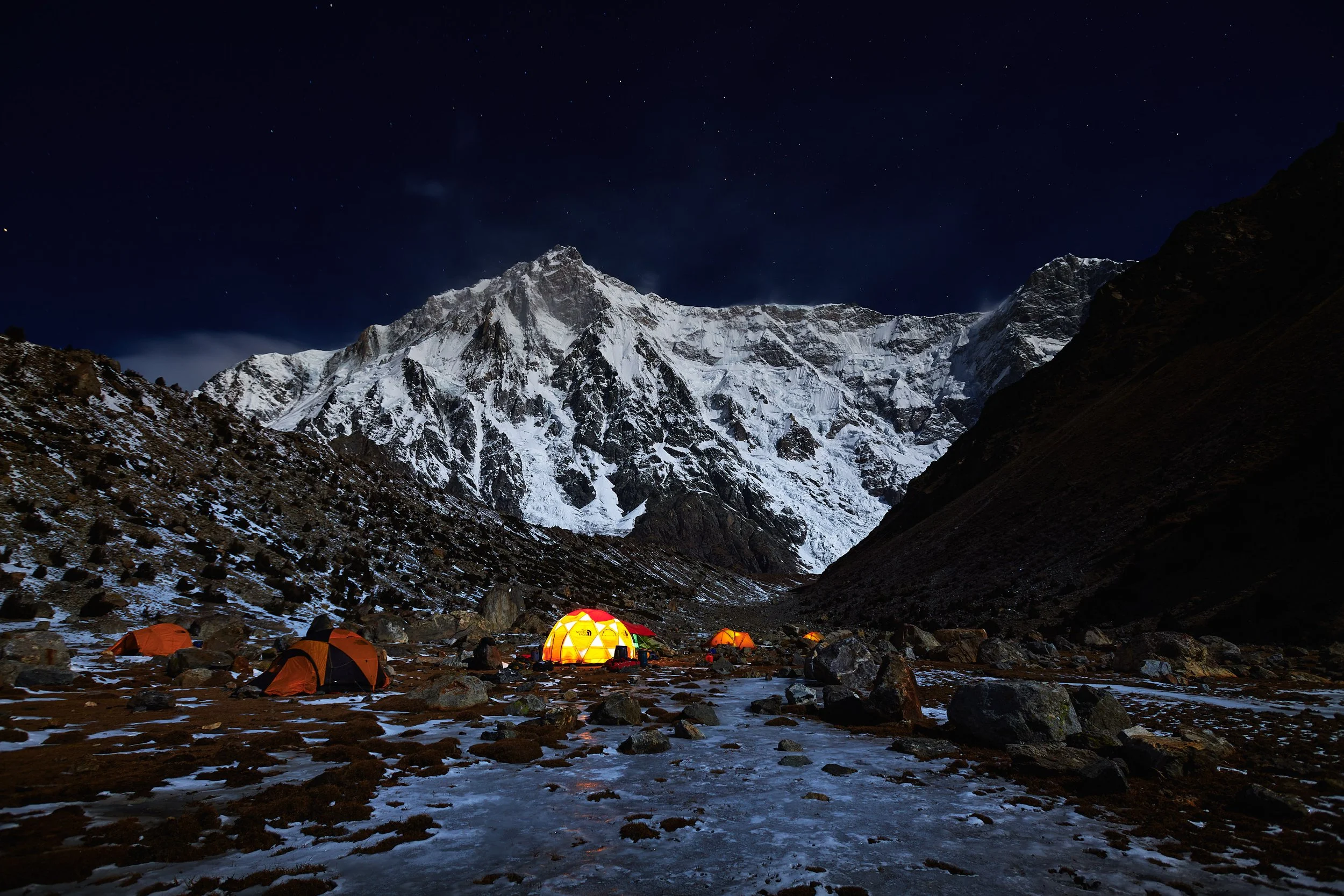
Winter base camp in front of the Rupal face of Nanga Parbat, the tallest mountain face in the world.
Workflow in the Field
Here’s how I manage memory and power on a typical week‑long safari:
Morning routine: Charge all batteries overnight using AC chargers or a high‑capacity power bank. Before leaving camp, insert fresh batteries and ensure all cards are formatted and ready.
During the day: Keep spare batteries and cards in a dust‑proof pouch in a jacket pocket or bag for warmth. When I swap cards or batteries, I mark used ones to avoid confusion.
Evening backup: Back at camp, transfer files to two separate drives. Verify the transfer by checking thumbnails or file counts. Only after verifying do I format the cards for the next day.
Charging: Plug batteries into a multi‑port charger. If I have solar panels, I set them out during dinner to top up a power bank for emergencies.
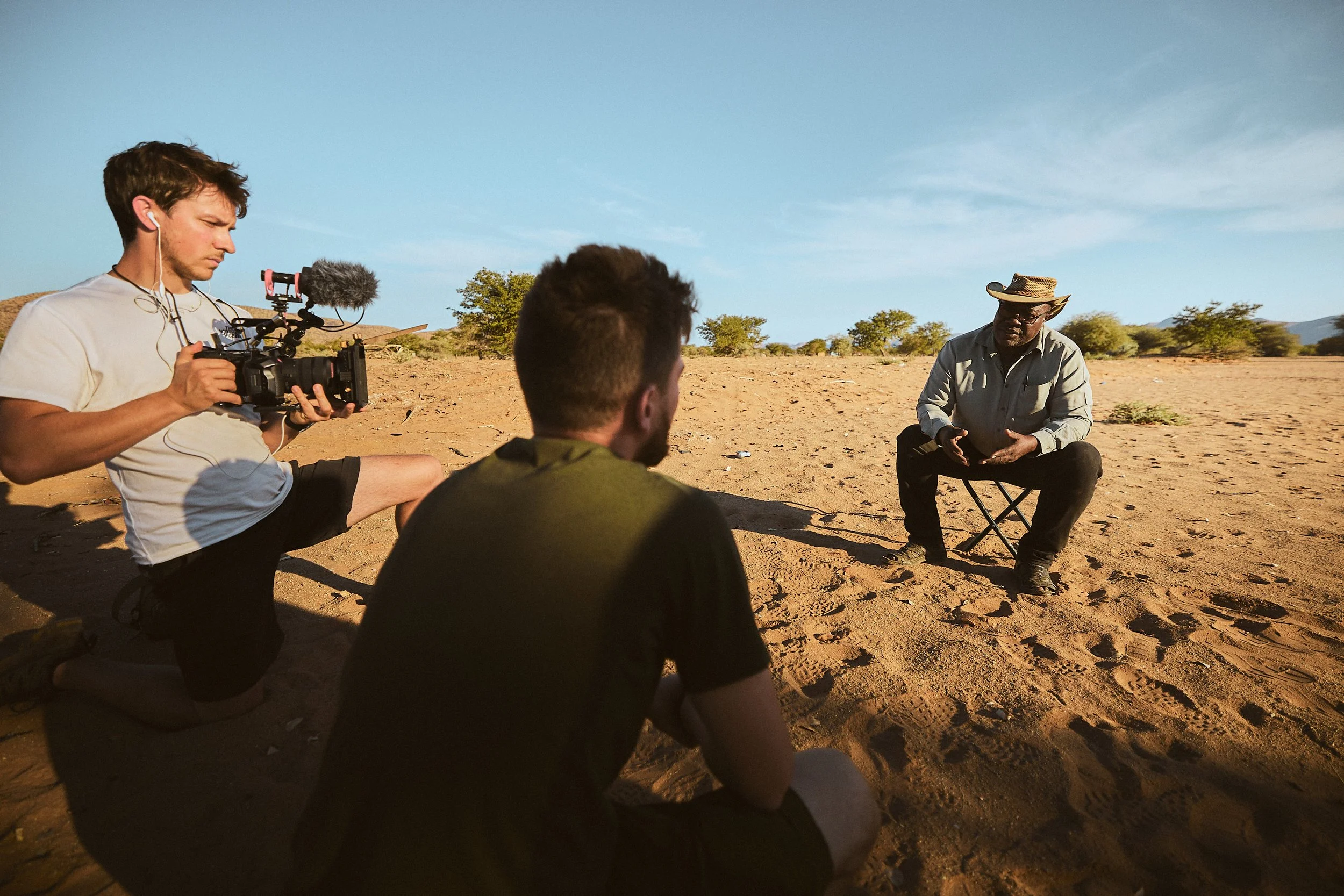
Working with drones and cinema cameras in remote areas can be very challenging in powering all the batteries.
Being Prepared Is Respect for Your Subject
In photography, missing a moment because you ran out of space or power is more than an inconvenience—it’s a missed opportunity to share the beauty of the natural world. By planning your storage and power strategy ahead of time, you reduce stress and free yourself to concentrate on composition, light and the living story unfolding before you. Being prepared is another way of showing respect for the subjects you photograph and the people who will share in your images.
Learn in the Wild
Managing logistics is a skill best learned through practice. Join me on a workshop where we not only chase extraordinary wildlife moments but also refine our workflow together. You’ll learn how to set up a reliable backup system and keep your gear running in remote environments.