
The Unsung Heroes: Essential Accessories for Wildlife Photography in 2026
Cameras and lenses get the headlines, but it’s often the smaller pieces of gear that make a shoot enjoyable and productive. In my experience, accessories like harnesses, gimbals, extenders and cleaning kits can be the difference between capturing a memorable moment and missing it entirely. This article shines a light on the unsung heroes of wildlife photography, helping you refine your kit for 2026 and beyond.
Harnesses and Straps: Comfort and Safety
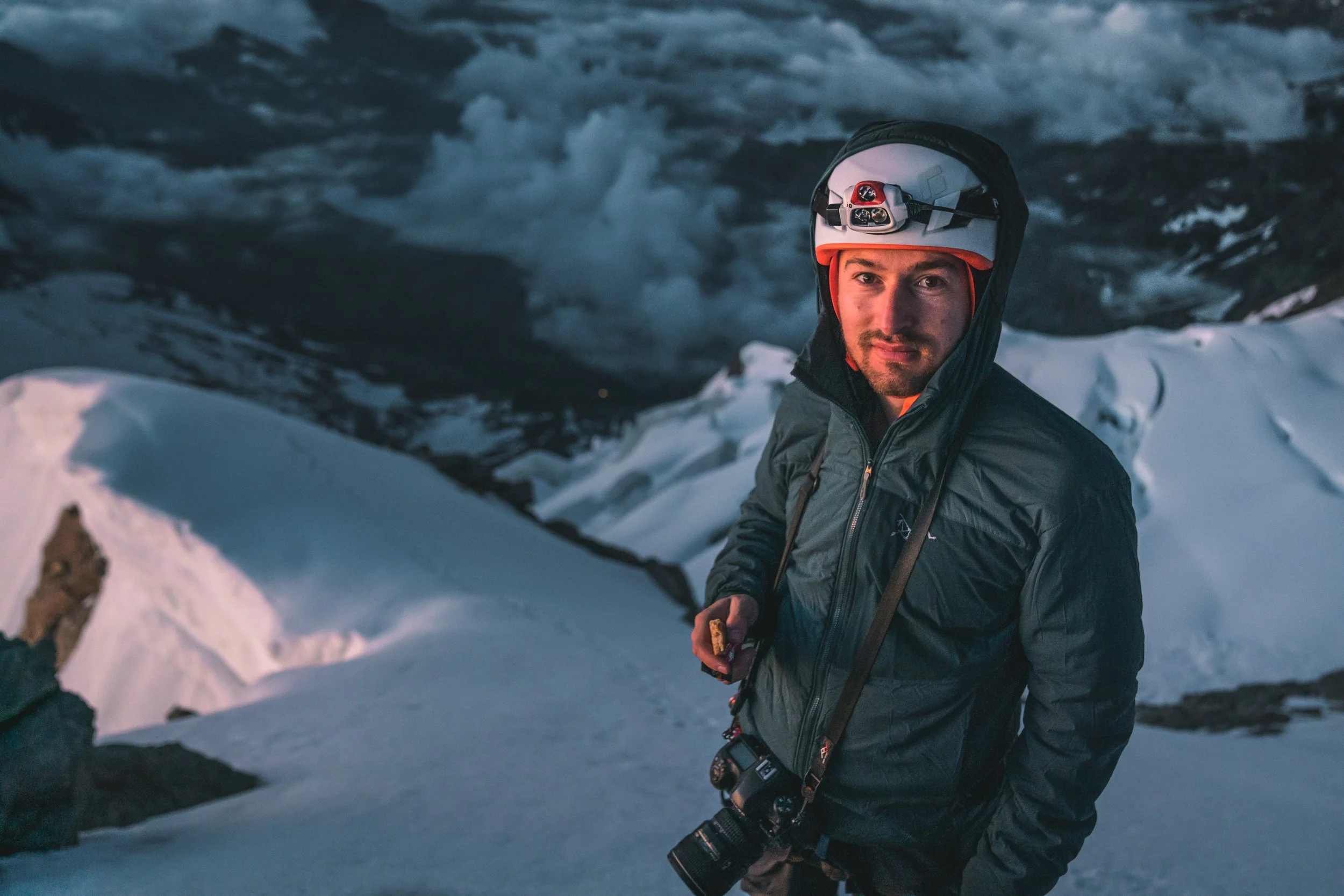
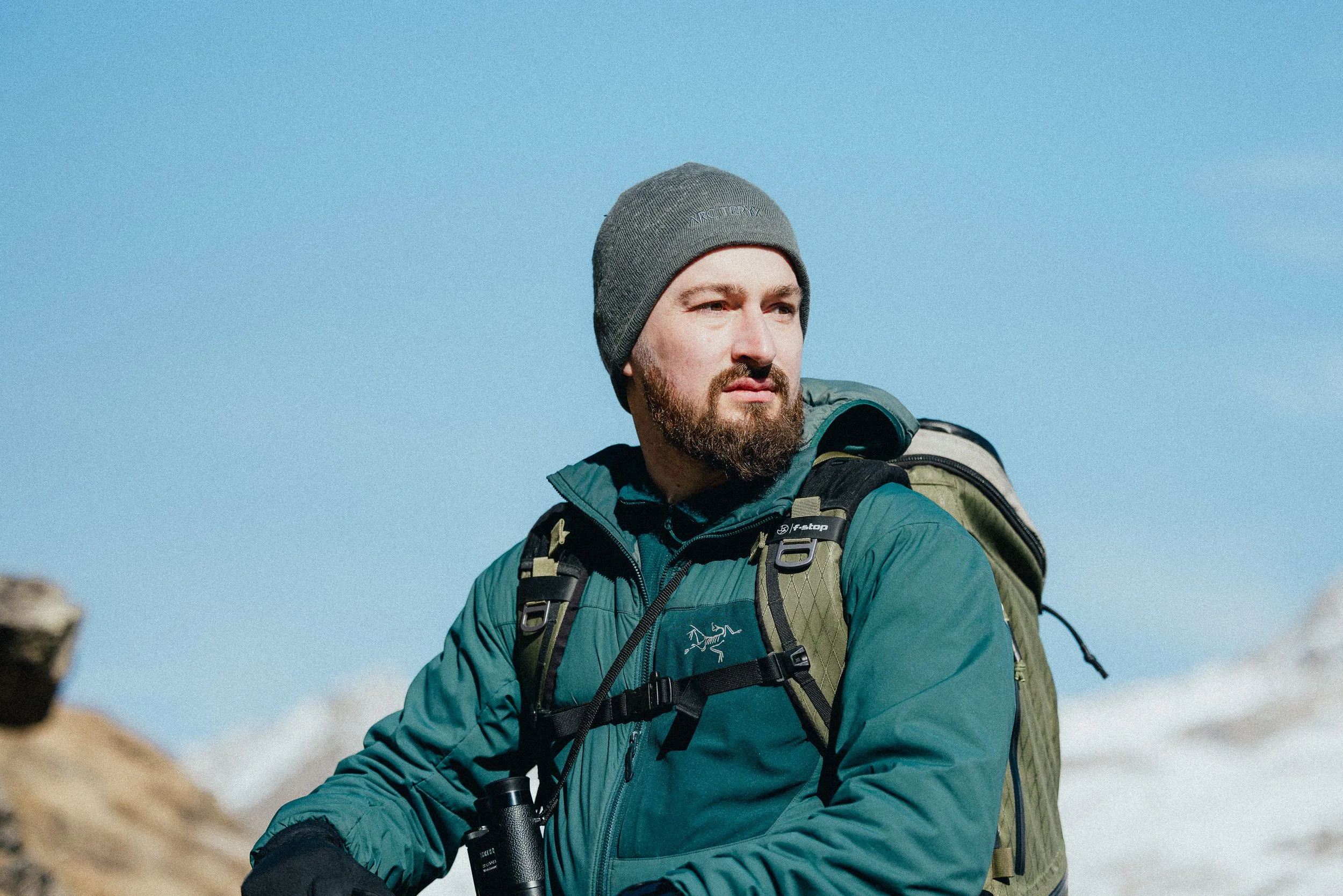
Carrying heavy equipment for hours can strain your neck and shoulders. A dedicated harness system distributes weight across your torso and back, reducing fatigue. Look for adjustable straps, breathable materials and quick‑release clips. Pair your harness with a safety tether so your camera doesn’t fall if you lose your grip. A sling strap is another option - and my favorite for most situations; it allows quick access to your camera while keeping it secure against your body. I use PeakDesign straps for this, as they are very reliable and super fast to mount and remove.
Gimbal and Fluid Heads: Smooth Motion
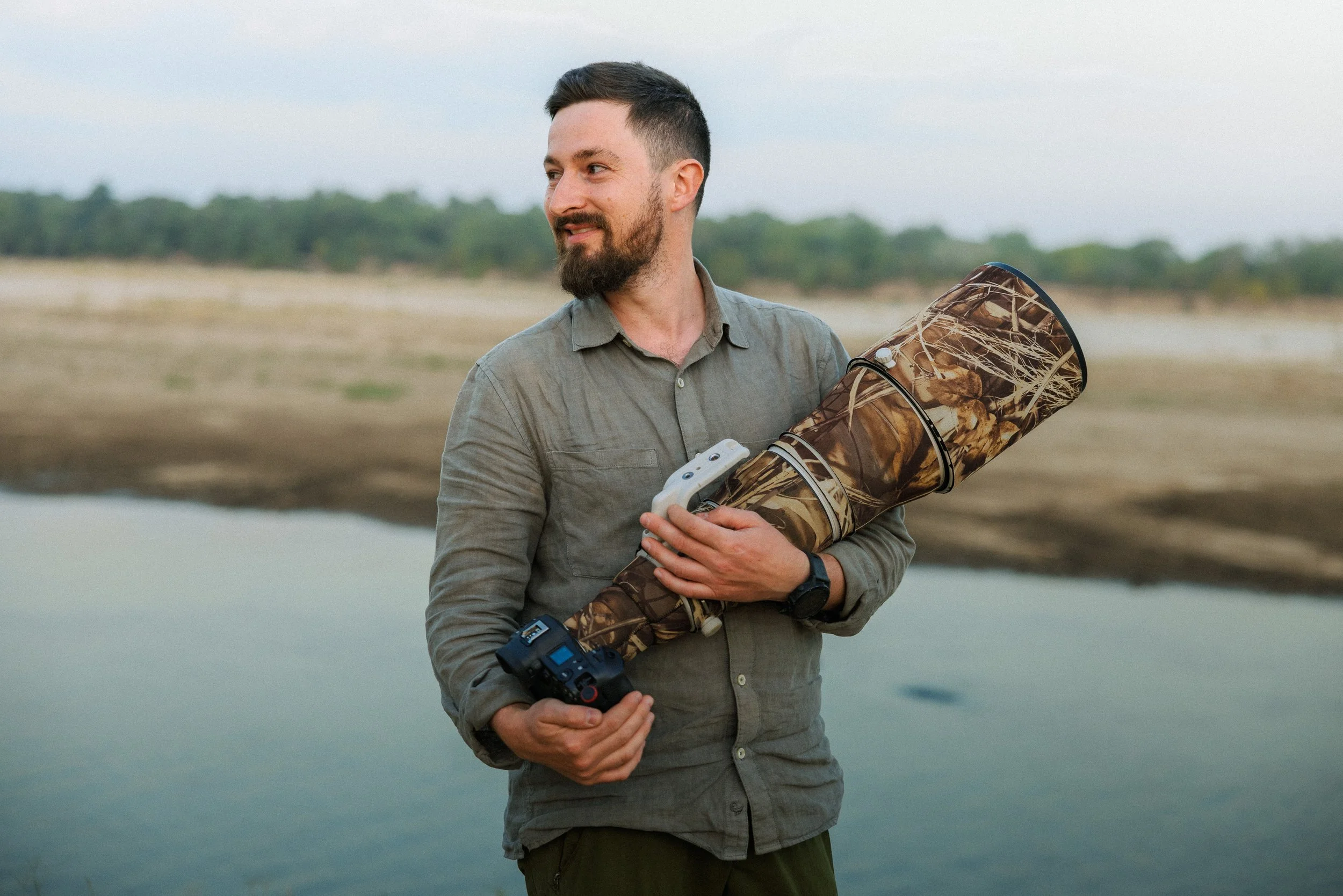
For long telephoto lenses, a gimbal head provides fluid, balanced movement. If you spend time in hides or on stakeouts a gimbal head is essential and will help you track subjects smoothly while reducing strain . Modern gimbals are lighter and use high‑quality bearings. When choosing one, ensure it supports more than your lens’s weight and has adjustable tension. In this case my choice is the Gitzo Fluid Gimbal Head, that combines the practicality of a gimbal head with the benefits of a fluid head, making an ideal tool for hybrid photo/video sessions.
Fluid video heads are another option if you shoot a lot of video. They offer smooth pan and tilt movements with adjustable drag. Some photographers combine a fluid head with a monopod for mobility and stability.
Extenders and Teleconverters
Teleconverters multiply your lens’s focal length, allowing you to reach distant subjects without investing in a new lens. A 1.4× extender turns a 400 mm lens into a 560 mm lens, while a 2× extender doubles focal length. Wildscape Adventure notes that teleconverters are key accessories for wildlife photographers needing extra reach . Keep in mind that extenders reduce maximum aperture and may slow autofocus on some lenses. Use them on bright days or with lenses that have fast apertures. In this case I only use a 1.4x, that turns my Canon 100-300mm f/2.8 in a 140-420mm f/4 or my 600mm f/4 into a 840mm f/5.6. In my experience the 2x TC comes with too much compromise for wildlife and I’d rather get a better zoom lens.
Lens and Camera Protection
• Rain covers: Lightweight covers protect your equipment from rain, snow or dust. Look for models that allow easy access to controls and a clear window for the LCD.
• Lens hoods: A basic accessory, lens hoods reduce flare and protect the front element from rain or accidental knocks.
• Filters: UV filters protect the front element from scratches and dust. Polarising filters reduce reflections on water or foliage and enhance colour saturation. Use them judiciously as they can reduce light transmission.
Support Tools
• Tripod spikes and feet: Swappable feet allow you to adapt your tripod to different surfaces: rubber for indoors, spikes for ice or soil. These small accessories enhance stability.
• L-brackets: An L‑bracket lets you switch between landscape and portrait orientation without adjusting the tripod head. This saves time and maintains composition.
• Quick-release plates: Use Arca‑Swiss compatible plates across all tripods, monopods and gimbals to streamline your setup. Carry a spare in case one is lost.
Maintenance and Cleaning
• Blower and brush: Keep dust and sand off your sensor and lenses. Avoid canned air, which can leave residue.
• Microfibre cloths and lens wipes: Always carry at least one clean cloth. Change them regularly to avoid scratching optics.
• Sensor cleaning kit: For extended trips, learn how to safely wet-clean your sensor. Dust spots can ruin sequences if left unattended.
💬 It’s not just about the gear.
The real progress starts when you use it with intention — in the field, with time to practice, reflect, and improve.
That’s exactly what we focus on in my photography workshops: immersive, small-group experiences where you can truly develop your skills, no matter what gear you use.
📍 Curious what that looks like in the wild? I’ll let the upcoming trips speak for themselves…


Comfort and Survival Gear
• Headlamps: Essential for pre‑dawn setups or navigating back to camp after dark. Choose models with red light to preserve night vision.
• Multi‑tool: A compact tool helps tighten loose screws, remove stuck plates or adjust your tripod. Keep one in your bag.
• Insect repellent and first aid: Comfortable, healthy photographers make better images. Pack basic medications, blister pads and repellent.
Accessories Matter
The best camera and lens combination can be crippled by poor support or discomfort. By paying attention to accessories—harnesses, gimbals, extenders, protective gear and maintenance tools—you ensure your primary equipment can perform at its best. These items may seem minor, but they collectively contribute to a smoother, more enjoyable experience in the field.
Tune Up Your Kit with Me
Join my upcoming workshops where we dedicate time to mastering not just cameras and lenses, but the accessories that support them. Learn how to set up a gimbal correctly, decide when to use an extender and keep your gear clean in harsh conditions. Visit the Workshops page for details and subscribe to my newsletter for ongoing tips and gear reviews.
May 15 - 27, 2026