Harnessing AI: Computational Photography Tools for Wildlife Photographers in 2026
Artificial intelligence has permeated nearly every aspect of modern life, and wildlife photography is no exception. In 2026, AI and computational photography tools are transforming the way we capture, process and manage images. While the heart of our craft remains patience, observation and ethical engagement with wildlife, the smart use of technology can free us to focus more on our subjects and less on technical hurdles. This article explores how AI is shaping wildlife photography and offers guidance on integrating these tools into your workflow without losing your artistic voice.
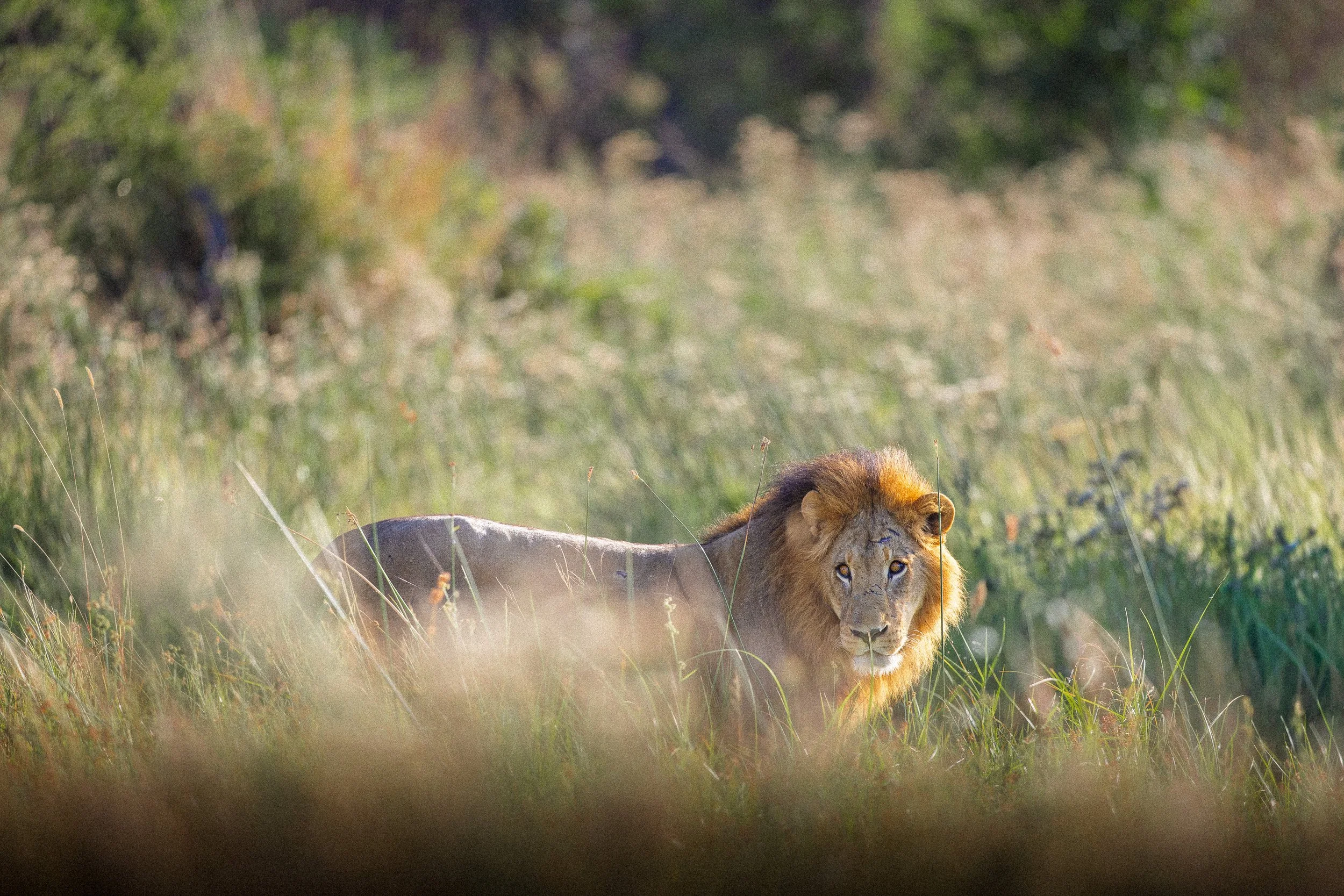
While AI takes over, the imperfections of real photos will be more and more valuable. Khwai, Botswana, May 2025.
The AI Revolution in Camera Bodies
Recent camera releases feature sophisticated subject detection and autofocus systems powered by machine learning. According to the Swiss Photo Club’s 2026 gear trends report, autofocus has undergone a “revolution” with deep‑learning algorithms recognising animals and tracking them across the frame . Cameras now identify eyes, heads and bodies of birds, mammals and even insects, ensuring tack‑sharp focus on moving subjects. The same article notes that many manufacturers are adopting a “video‑first” design, meaning cameras are optimised for both high-resolution stills and high‑quality video, reflecting the growing demand for hybrid shooting .
Beyond autofocus, AI contributes to noise reduction and dynamic range. Some mirrorless cameras analyse a scene and automatically combine multiple exposures to extend dynamic range, preserving detail in bright skies and dark shadows. Others use neural networks to predict pixel values, reducing noise at high ISO without sacrificing texture. While purists may prefer manual control, these tools can be invaluable when conditions change rapidly and there’s no time for bracketing or long exposures.
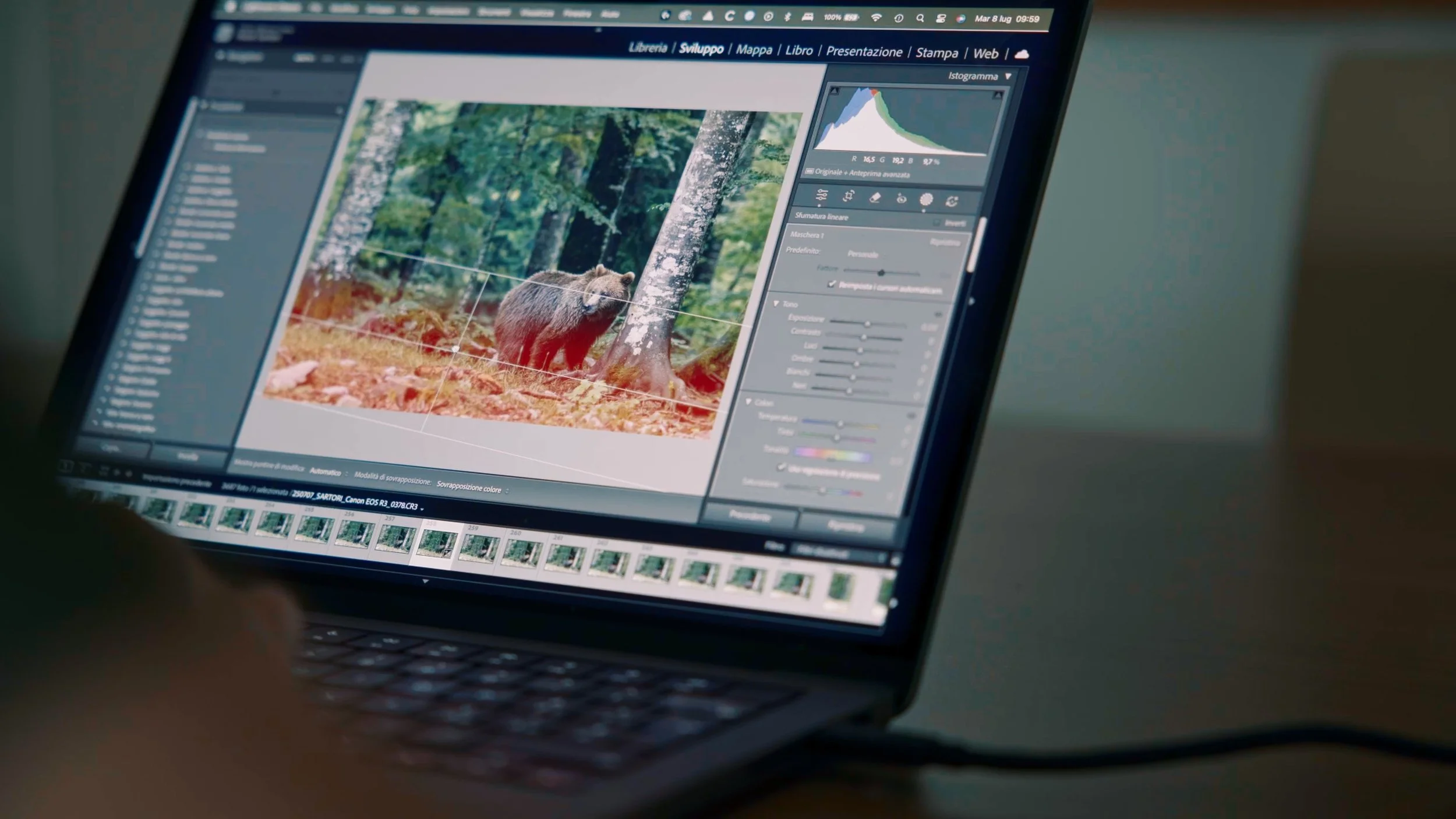
AI tools gets more advanced but it’s on us knowing what to do with them.
Smart Assistants for Planning and Composition
AI isn’t confined to camera hardware; it’s also embedded in software that assists with planning and composition. Apps like PhotoPills and PlanIt use machine‑learning models to predict celestial movements, golden hour timing and weather patterns. This information helps you align the Milky Way over a mountain range or plan a backlit silhouette shot at sunrise. AI‑powered depth‑of‑field calculators can show how changing aperture or focal length affects your composition, saving you trial and error in the field.
Some AI tools provide real-time composition feedback. These smartphone apps analyse your frame and suggest improvements based on established aesthetic principles. While I’m cautious about relying on algorithms for creative decisions, they can be helpful training aids for beginners seeking to understand concepts like rule of thirds, leading lines and balance.
Intelligent Post-Processing
Post-processing is where AI arguably has the biggest impact. Software such as Adobe Lightroom and DxO PureRAW now include AI-driven denoising and sharpening algorithms. These tools analyse the underlying structure of your image, differentiate noise from detail and apply targeted adjustments. The result is cleaner images with fewer artifacts, even at high ISO.
AI‑powered culling tools scan thousands of shots, identify duplicates or out-of-focus frames and sort them by criteria such as eye contact, sharpness and composition. This can save hours of manual review after a long day of shooting. However, trust your instincts; algorithms may not appreciate the subtle atmosphere of a scene the way you do.
Content-aware fill and sky-replacement tools can repair distractions or salvage images with blown-out skies. Use them judiciously. As ethical photographers we should strive to represent wildlife and their environment honestly. Manipulation should never mislead viewers about behaviour, habitat or the reality of the scene.
AI in the Field: Practical Considerations
• Know your tools. AI can speed up your workflow, but only if you understand how it works. Spend time testing features at home so you know when to trust them and when to switch to manual.
• Battery life: Many AI features, especially continuous subject detection, are power intensive. Carry spare batteries and manage your settings to conserve energy .
• Data management: AI generates large data sets; high frame rates and 4K/8K video fill cards quickly. Combine AI with a robust memory and power management plan as discussed in the previous article.
• Ethics: Resist the temptation to use AI to fabricate reality. Minor corrections and noise reduction are acceptable, but altering backgrounds or adding animals that weren’t there crosses ethical boundaries (well, this is personal, it’s a long discussion, but I hope you got what I mean).
Balancing Innovation with Craft
AI tools can enhance our ability to capture fleeting moments, but they should not replace the fundamental skills of wildlife photography: understanding animal behaviour, reading light and composing a compelling story. Joshua Holko emphasises mastering your camera controls and developing muscle memory so you can respond instinctively . AI can assist, but it is your vision and fieldcraft that give life to an image.
The AI revolution in 2026 is exciting. When used thoughtfully, these tools can help us overcome technical barriers and focus on creative expression. They can improve focus accuracy, extend dynamic range, speed up editing and even suggest compositional refinements. At the same time, our responsibility is to ensure our work remains authentic and respectful of the wildlife we cherish. Embrace AI as a tool—but never let it replace the heart of your craft.
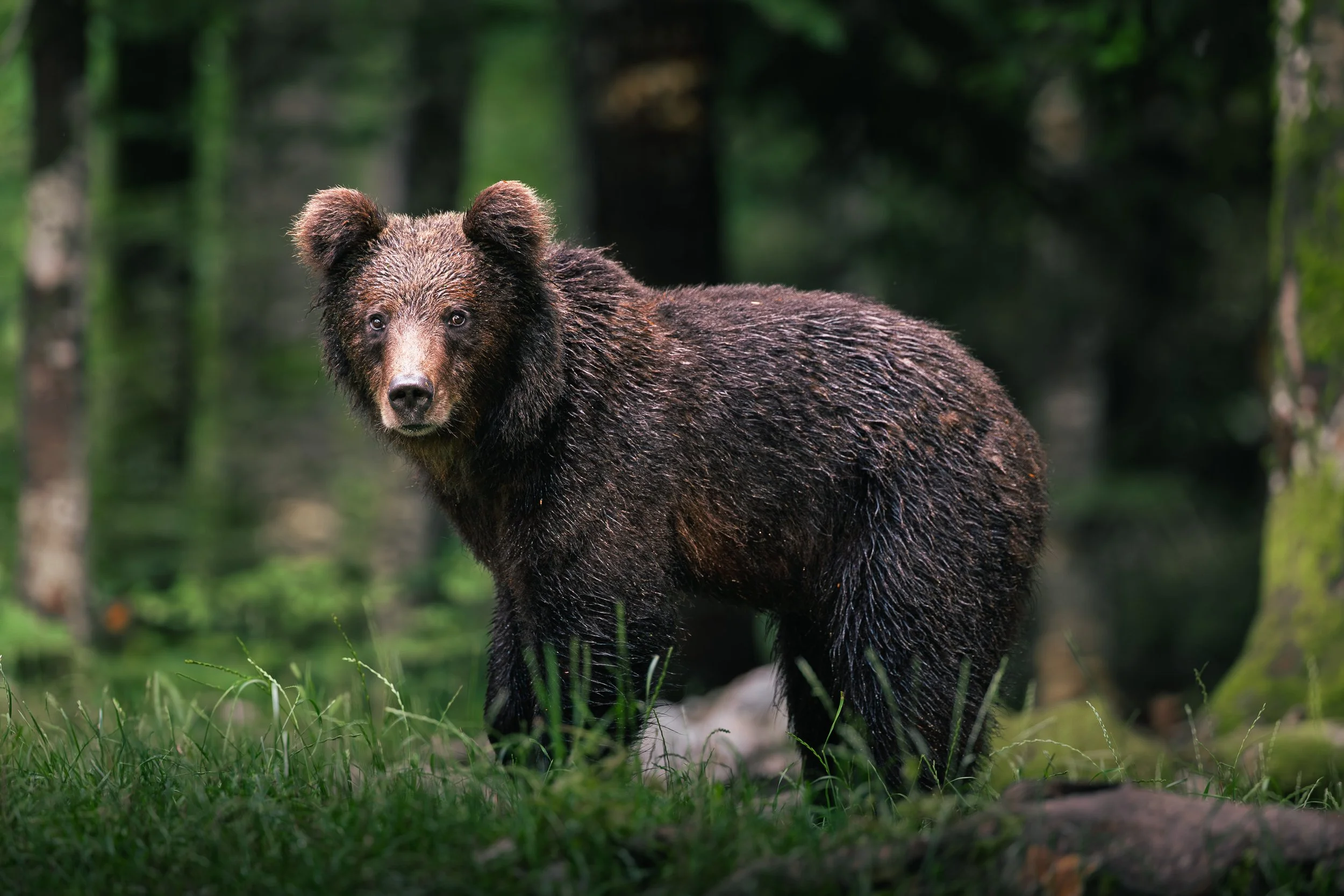
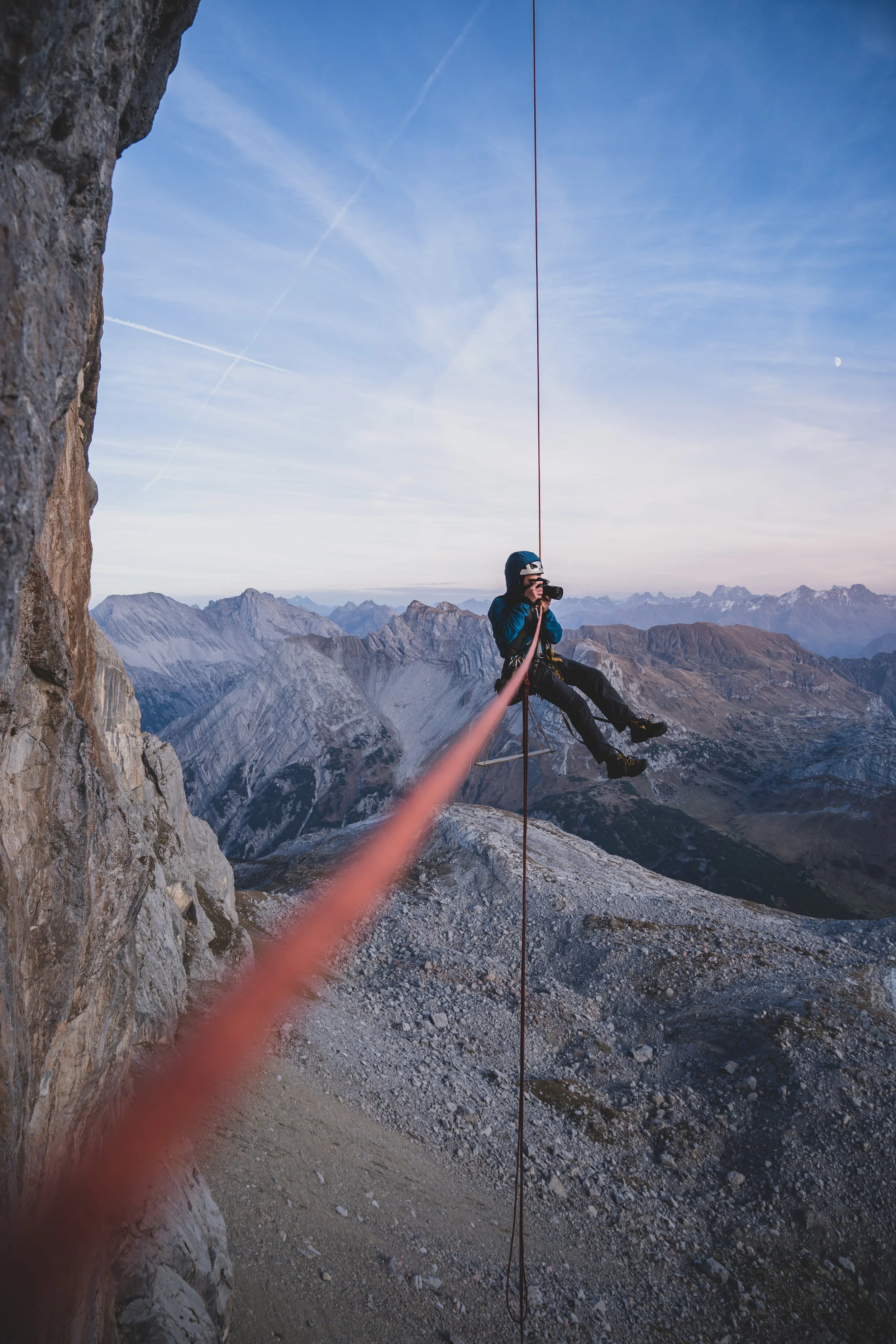
AI can simplify the process, but the creative side is always in the photographer’s hands. Slovenia, July 2025.
Learn to Use AI in the Field
Curious about integrating AI into your workflow without losing your personal touch? Join one of my workshops where we experiment with the latest camera features, discuss ethical considerations and develop fieldcraft skills that AI cannot replicate.