
Ethics in Wildlife Photography: Beyond the Basics
Every wildlife photographer begins with the obvious rules: don’t disturb nests, keep a safe distance, leave no trace. But as we spend more time in the field, the ethical questions we face become more nuanced. The way we choose to approach an animal, the tools we use to attract it and the narratives we build around our images all carry weight. Moving beyond the basics requires us to rethink our motivations and accept responsibility for how our presence impacts the lives we photograph.
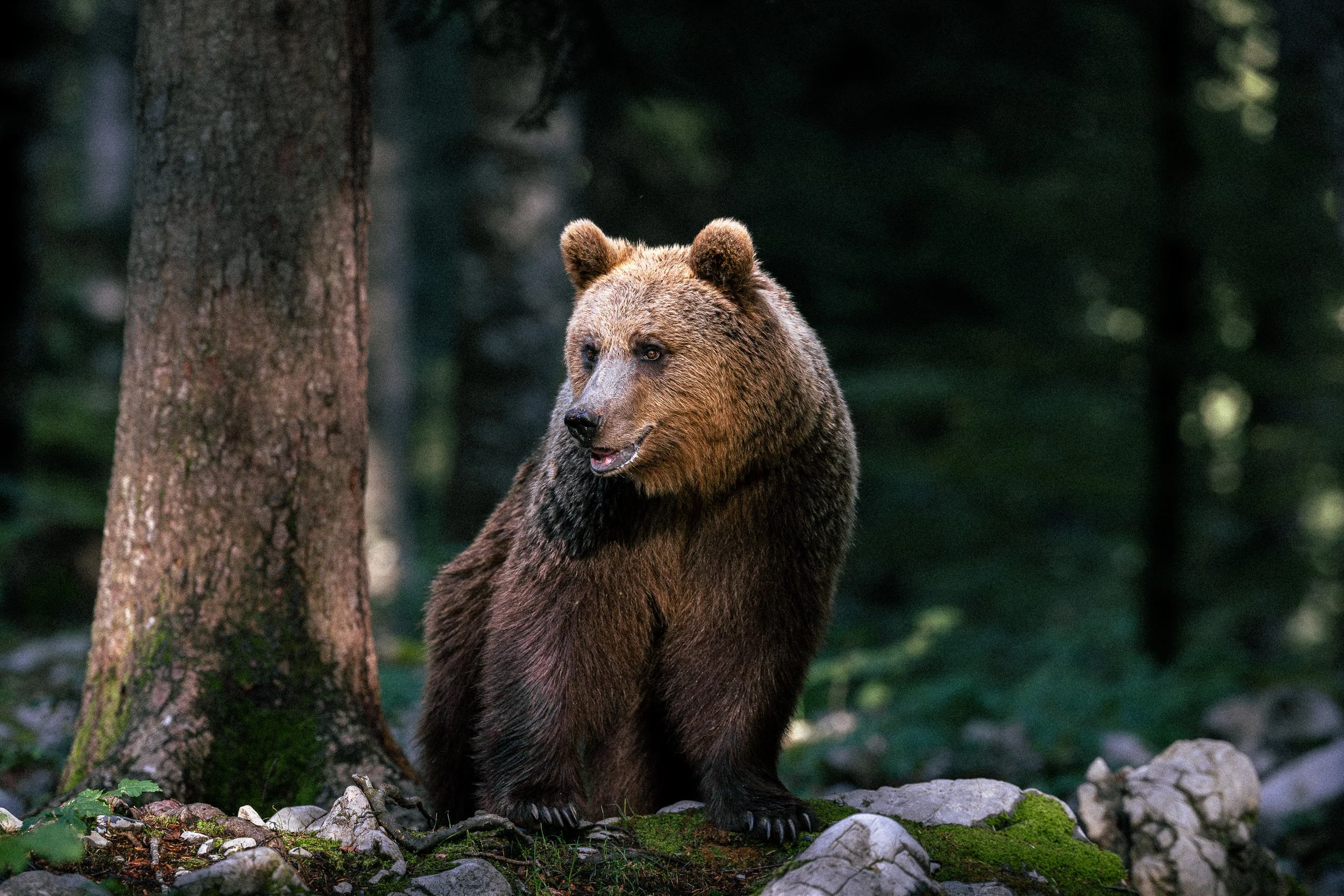
The invisible line between observation and interference
Baiting an animal with food, playbacks or scents may produce dramatic images, but it also teaches wildlife to associate humans with reward, altering their natural behaviour. In some jurisdictions it’s illegal for good reason; in others it is tolerated. As photographers who respect the wild, we have to ask ourselves: is a close‑up worth conditioning an owl to fly to roadsides or a predator to approach humans? The answer should be obvious. Similarly, getting too close forces animals to choose between their safety and your composition. Not all signs of stress are obvious; widened eyes, stiff body language or a subtle shift of weight can signal discomfort. Back off before you push them further.
Disturbance thresholds and longer‑term consequences
Many species endure human presence only to a point. Shorebirds rely on precise feeding windows dictated by tides; repeated flushing costs them the energy they need to migrate. Large mammals forced to move in deep snow can burn precious calories they need to survive winter. Even if an animal appears unaffected, the cumulative cost of disturbance adds up over days and weeks. Ethical photography means learning when to stop pressing the shutter. It also means understanding local regulations about protected areas and seasonal closures, and respecting them even when enforcement is lax.
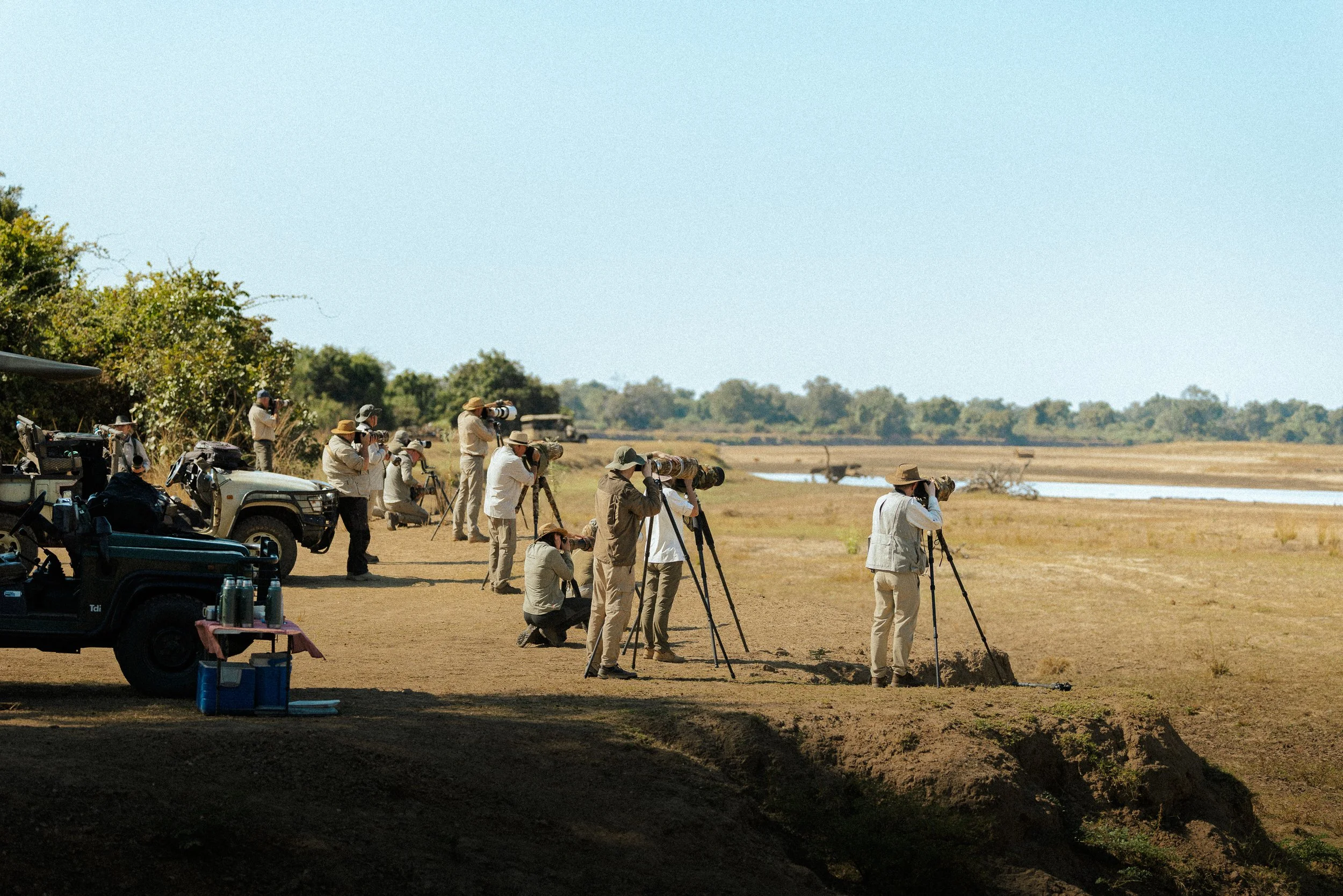
Authenticity and credible portfolios
In an age where images are scrutinized and stories spread quickly, the credibility of your portfolio rests on the integrity of your methods. A shot of a lynx emerging from a treeline is less impressive when viewers realize it was taken at a game farm. Clients and audiences are increasingly attuned to ethical lapses; they appreciate transparency. Share the context behind your photographs — the patience it took, the failures along the way, even the times you didn’t shoot because it wasn’t right. This vulnerability not only builds trust but also educates others about responsible fieldcraft. It turns your work from mere decoration into a conversation about coexistence.
📷 Want to build a portfolio you can truly stand behind?
On my workshops, we go beyond technique.
We talk openly about the how and why behind every image — what we disturb, what we choose not to, and how to read the animal’s comfort before chasing composition.
This is where your eye sharpens, your ethics deepen, and your best work begins — even when you don’t press the shutter.
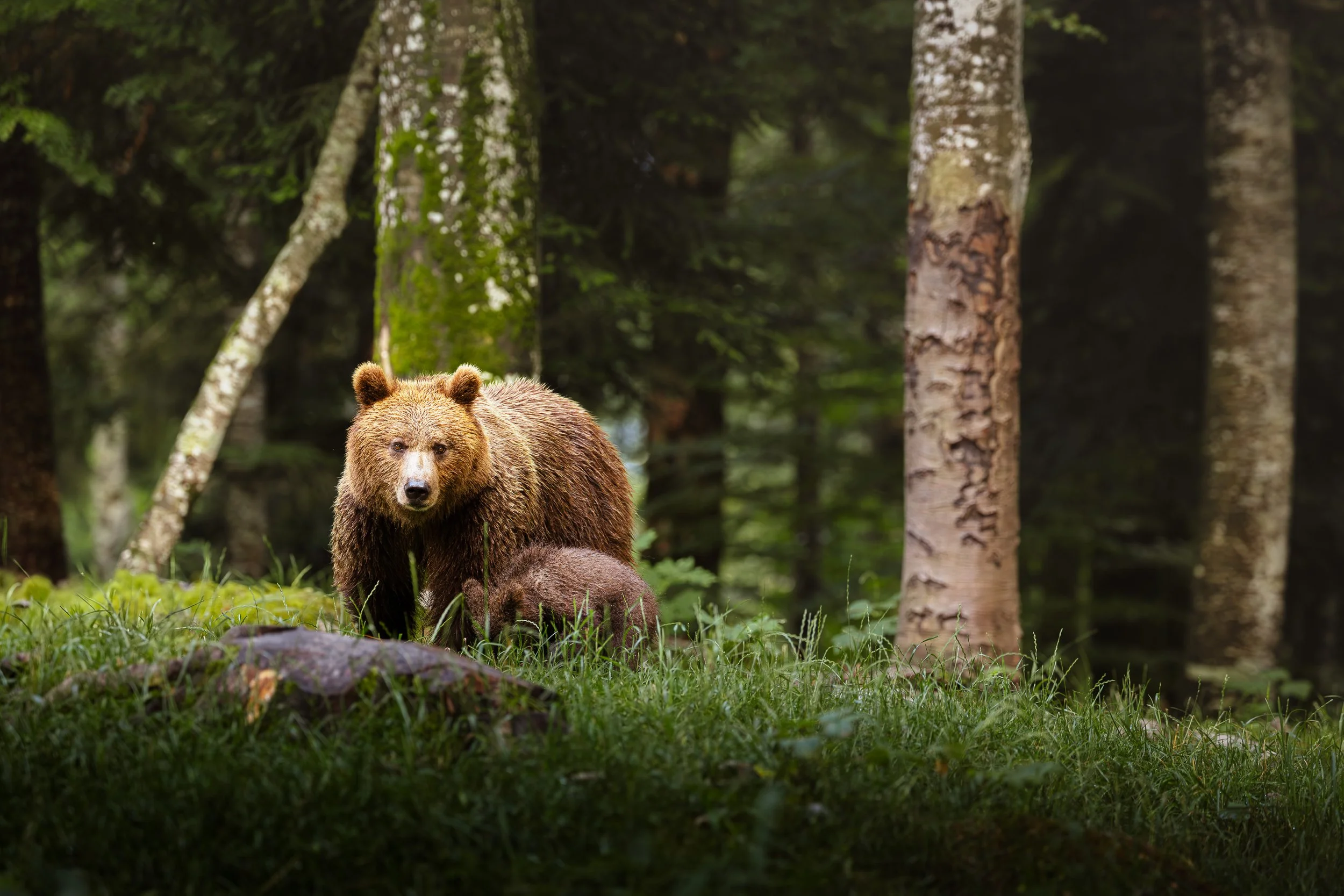


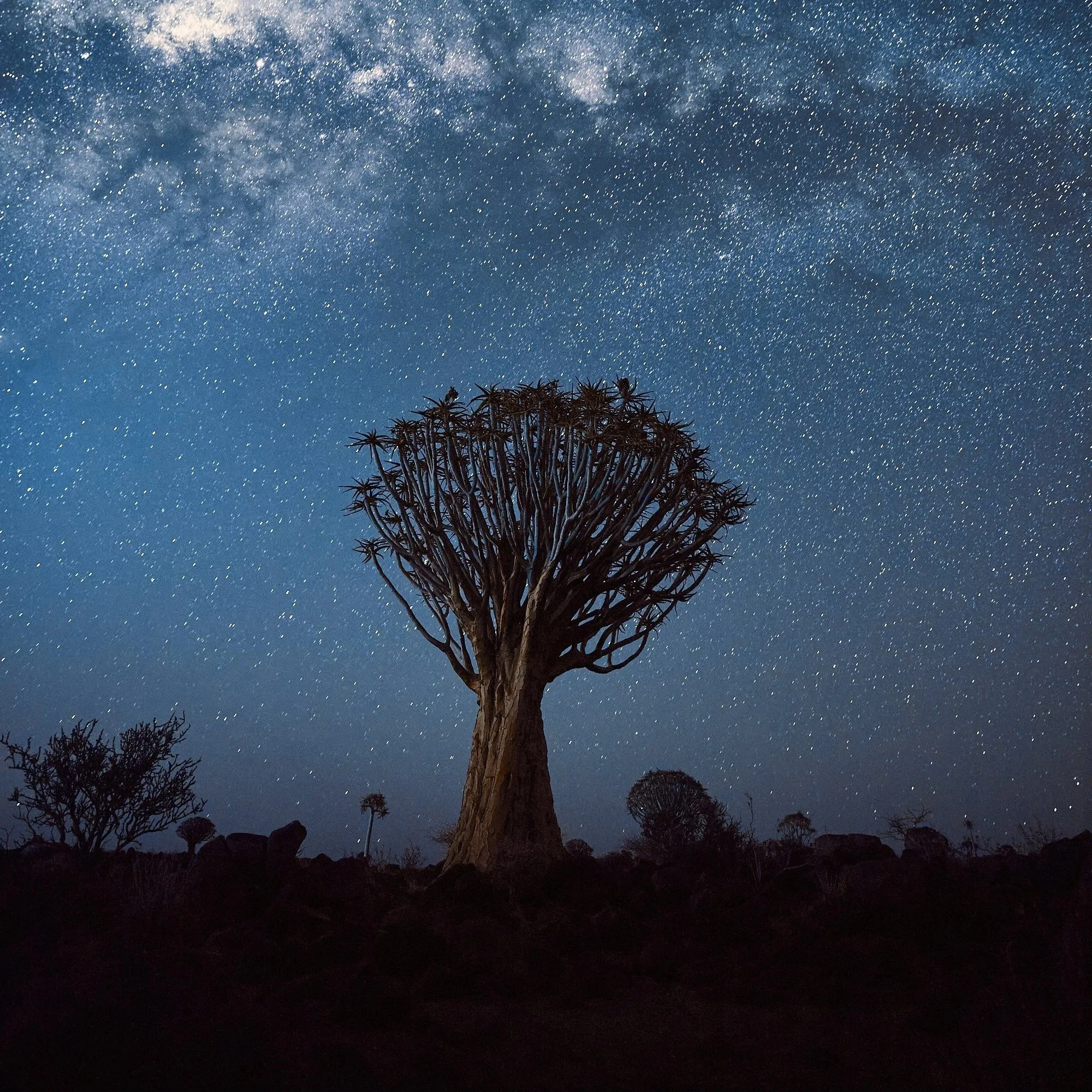
Embracing restraint as part of mastery
At first glance it seems paradoxical: the way to build a portfolio of compelling wildlife images is often to press the shutter less. Yet the more time you spend with wild animals, the more you learn that the best photographs come from moments when the animal doesn’t know you’re there — or doesn’t care. Achieving that requires fieldcraft: approaching with the wind in your face, moving when the animal’s head is down, dressing in muted colours, waiting until natural curiosity brings them closer. When you feel the urge to push for a shot, ask yourself whether doing so serves the animal or your ego. The quiet satisfaction of letting a nervous creature disappear undisturbed is, in its own way, a profound reward.
Ethics in wildlife photography is less about following a set of rules and more about cultivating a mindset of respect. It’s a recognition that we are guests in the home of every animal we photograph. By exercising restraint and transparency, we preserve both their well‑being and our own credibility. If you’d like to delve deeper into ethical fieldcraft and learn in a community that values respect over results, consider joining my mailing list or attending one of my intimate workshops where we discuss these topics in the field.
May 15 - 27, 2026