
Building a Lightweight Kit for Adventure Wildlife Photography
Some of the most rewarding wildlife experiences occur far from roads, lodges and comfortable hides. Hiking into remote valleys or paddling along winding rivers offers access to species that few people ever see. The challenge is carrying the right equipment without being weighed down. In 2026, you can build an effective, travel-friendly wildlife kit that balances capability with portability. Let’s look at how.
Start with Your Goals
Before packing, clarify what you plan to photograph. Large mammals, birds and macro subjects require different focal lengths and accessories. What will be your primary lens? Do you need extreme telephoto reach, or will a moderate zoom suffice? Prioritise one main lens and supplement with lightweight alternatives.
Choosing a Camera Body
Mirrorless systems continue to dominate in 2026 thanks to their compact size and impressive features. Full-frame cameras offer excellent low‑light performance and dynamic range, but high‑resolution models can be heavy. APS‑C bodies strike a good balance; APS‑C sensors still make sense for beginners and travellers because they’re smaller, lighter and provide a 1.5× crop factor, effectively extending focal length . Look for a body with reliable autofocus, weather sealing and decent battery life. If you plan to shoot video, prioritise models with strong video specifications.
Selecting Lenses
Versatile Zoom (70‑200 mm or 100‑400 mm): A mid‑range telephoto zoom covers most wildlife situations. Many modern versions are relatively lightweight (under 1.5 kg) and offer excellent image quality. The crop factor of APS‑C bodies further extends reach.
Wide-Angle or Standard Zoom (16‑35 mm or 24‑70 mm): To capture landscapes, environmental portraits or travel scenes, include a small wide-angle lens. In desert environments, the sense of place is as important as the animal itself.
Compact Telephoto Prime: For bird photography or shy mammals, a longer lens may be needed. Consider lenses like the 300 mm f/4 or 400 mm f/5.6, which offer good reach in a compact package. Of course a 400mm f/2.8 or a 600mm f/4 will provide better performance but they come with a cost…both literally and in the limitations due to the size and weight.
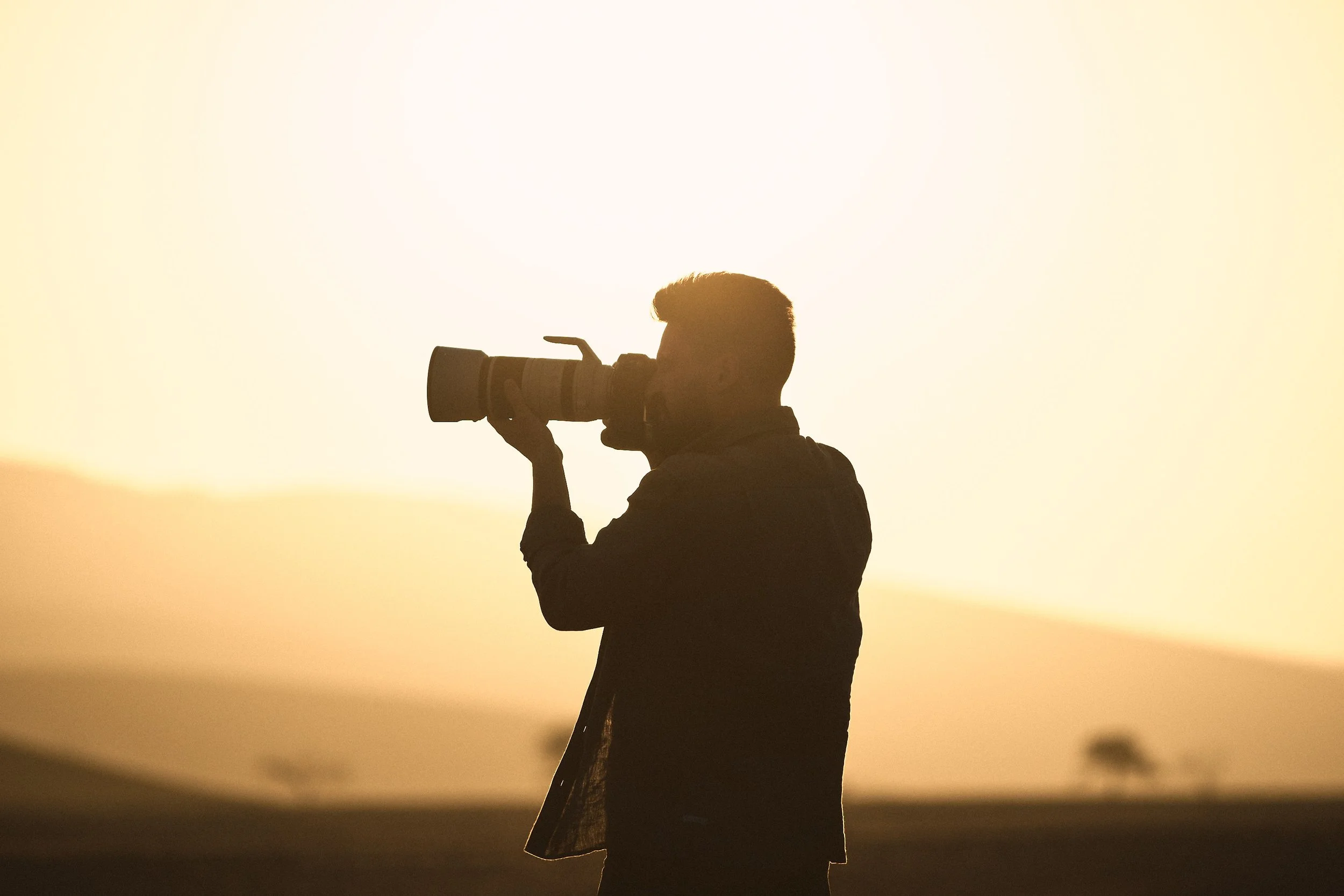
Even in 2026, the Canon 100-500mm f/4.5-7.1 is my go to lens when it comes to remote adventures.
Essential Accessories for Travel
• Compact tripod or monopod: Choose a carbon fibre model that collapses small. Alternatively, a travel monopod can double as a walking stick.
• Rain cover and dry bags: Lightweight and packable, these protect your gear in wet conditions.
• Travel charger: A multi‑port charger with international plug adapters keeps batteries topped up. Many new cameras charge via USB‑C; bring a high‑capacity power bank for remote areas.
• Camera strap or harness: A comfortable harness distributes weight across your shoulders and back, easing strain during long hikes. The Swiss Photo Club emphasises that a good harness can be more important than an extra lens .
• Lens pouches and wrapping cloths: Protect your lenses inside your backpack without adding bulk.
• Minimal cleaning kit: A blower, cloth and small brush keep dust and moisture off your lenses and sensor.
Pack Smart
Use a backpack designed for hiking, with padded compartments for camera gear and space for water, food and clothing. Weight distribution matters; keep heavy items close to your back. Consider modular inserts that let you remove the camera compartment and use the bag as regular luggage during travel days.
When flying, carry your camera and primary lens in your personal item to avoid checked baggage loss. Batteries must be in your hand luggage according to airline regulations.
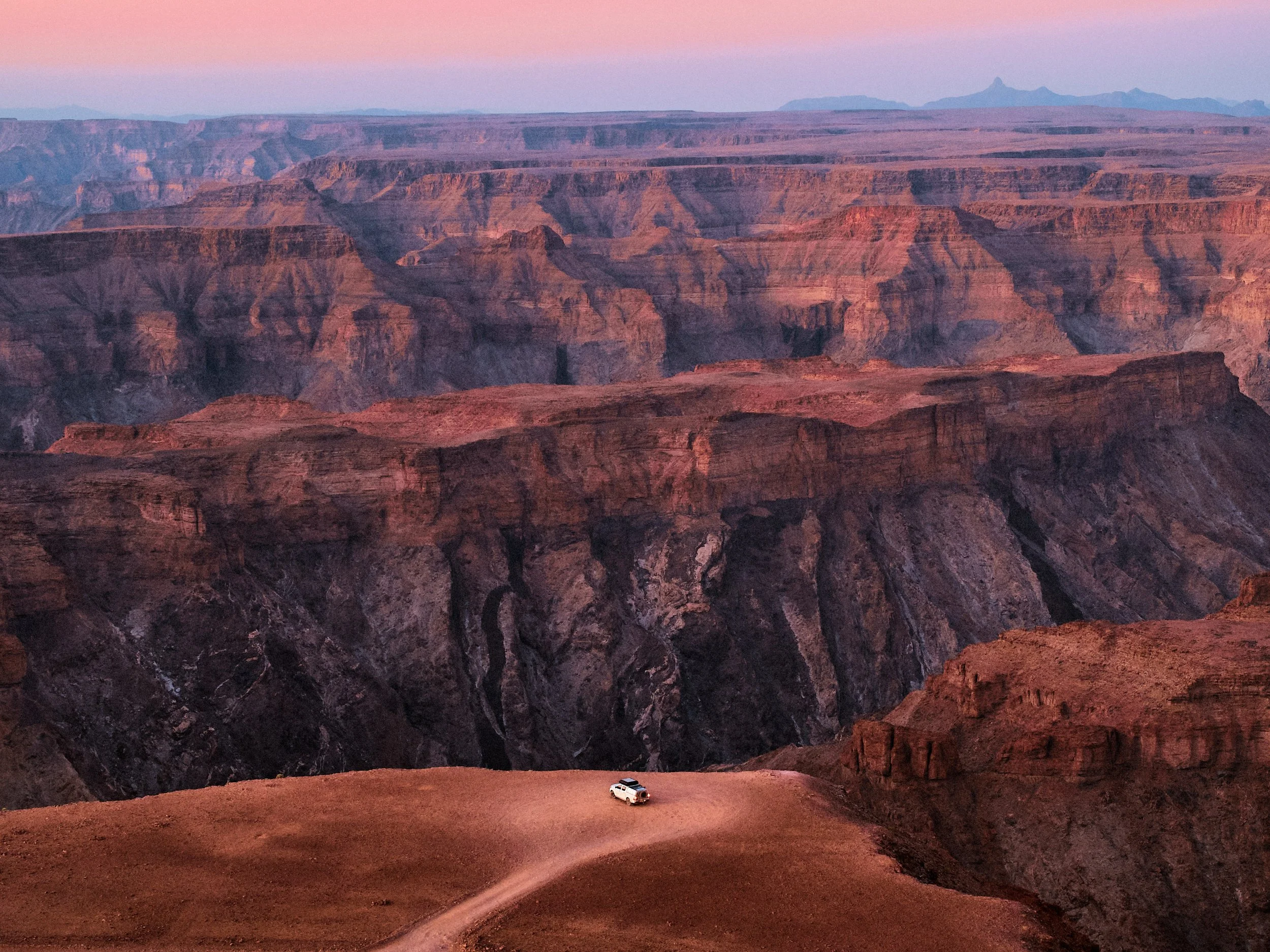
Somewhere in Southern Namibia.
Freedom Fuels Creativity
There’s a liberating feeling that comes with travelling light. You can hike further, react faster and spend more time observing wildlife instead of changing lenses. By carefully selecting your camera, lenses and accessories, you can build a travel-friendly kit that doesn’t compromise quality. Remember: it’s not the amount of gear that makes a great image, but your ability to see and anticipate the moment.
🎒 Traveling light isn’t just about comfort — it changes how you photograph.
When you’re not weighed down by gear, you move more freely, observe longer, and react faster when wildlife appears.
This is exactly the approach I take on my workshops: small groups, lightweight kits, long days in the field, and real immersion in the landscape.
If you want to experience what it’s like to photograph wildlife without excess — focusing on awareness, anticipation, and presence — keep an eye on my upcoming trips.
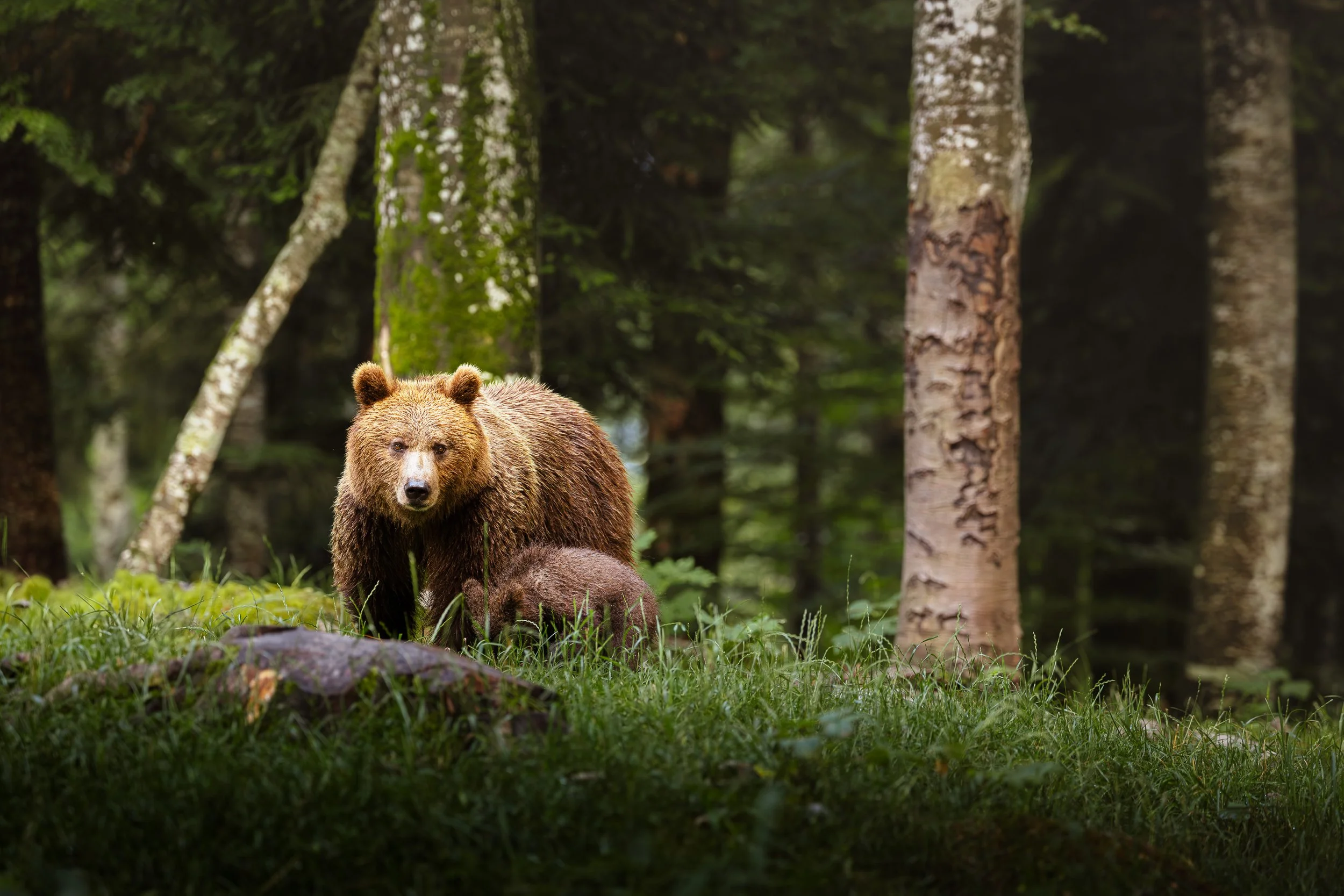


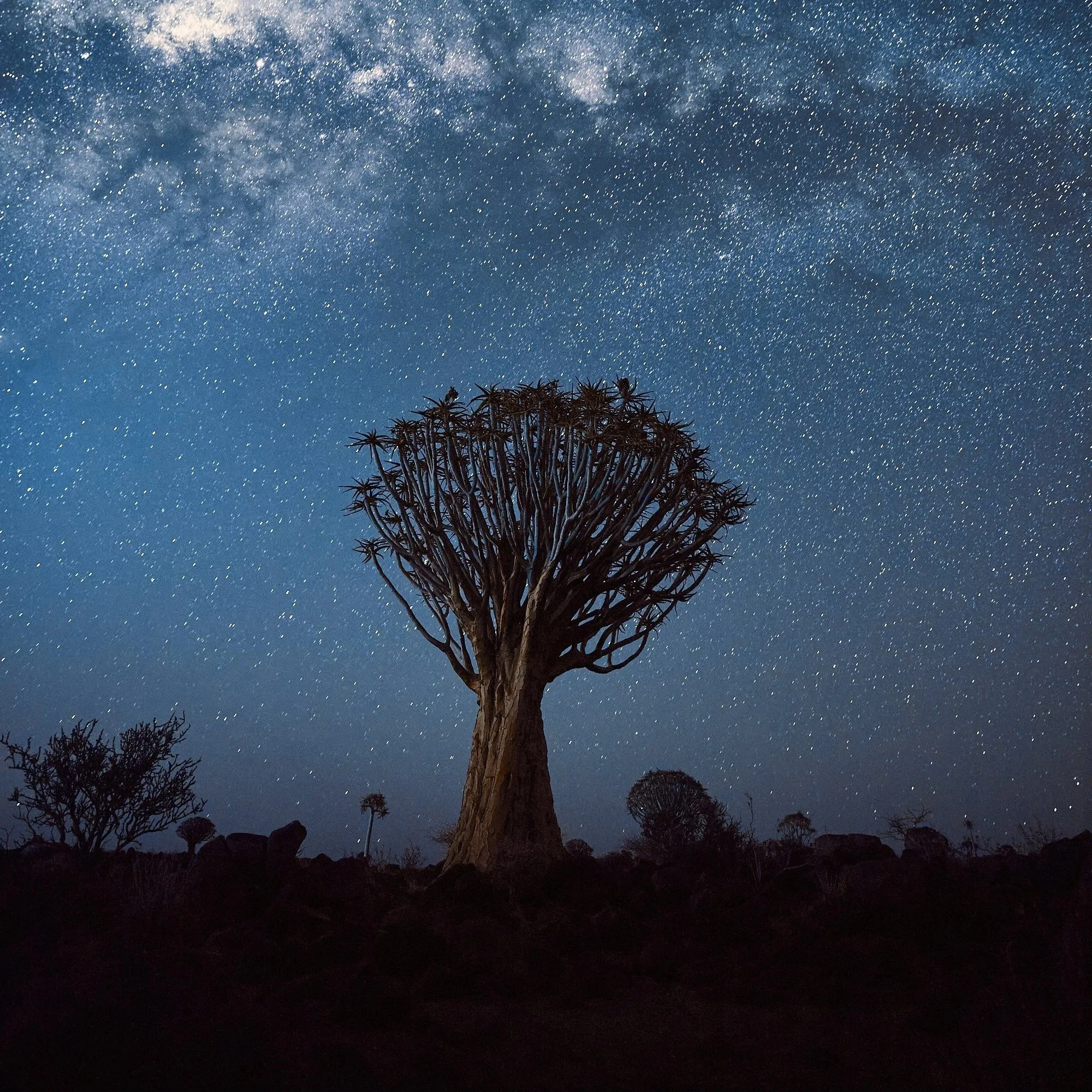
May 15 - 27, 2026