
How to Photograph Wildlife in Harsh Weather
There is a very particular stillness when a storm is building. The light flattens, the wind climbs, and the animals you came to see vanish into pockets of shelter. Anyone with a camera can wait for perfect light; the real work begins when you decide to stay out when the weather turns. Learning to photograph wildlife in rain, snow and high winds is less about fighting the elements and more about learning to work with them. What follows is not a list of “tips” so much as an invitation to rethink how you approach difficult conditions.
Preparing yourself and your equipment
Bad weather asks as much of you as it does of your camera. A day spent in freezing rain will test your patience, your clothing and your mental stamina long before it tests your sensor. Before you even think about ISO or shutter speed, make sure you and your gear are ready. A weather‑sealed body and lens are only part of the equation. Pack a waterproof cover that slips over your camera and allows you to operate the controls without exposing them, wrap spare batteries in a dry bag to keep them warm, and carry a microfiber cloth inside your jacket where it stays dry. Cold and humidity sap battery life; rotate batteries through your pocket to keep them warm and usable. For yourself, layered clothing, waterproof boots, a thermos of something hot and the humility to call it if conditions become dangerous are essential.
Reading light in low‑contrast environments
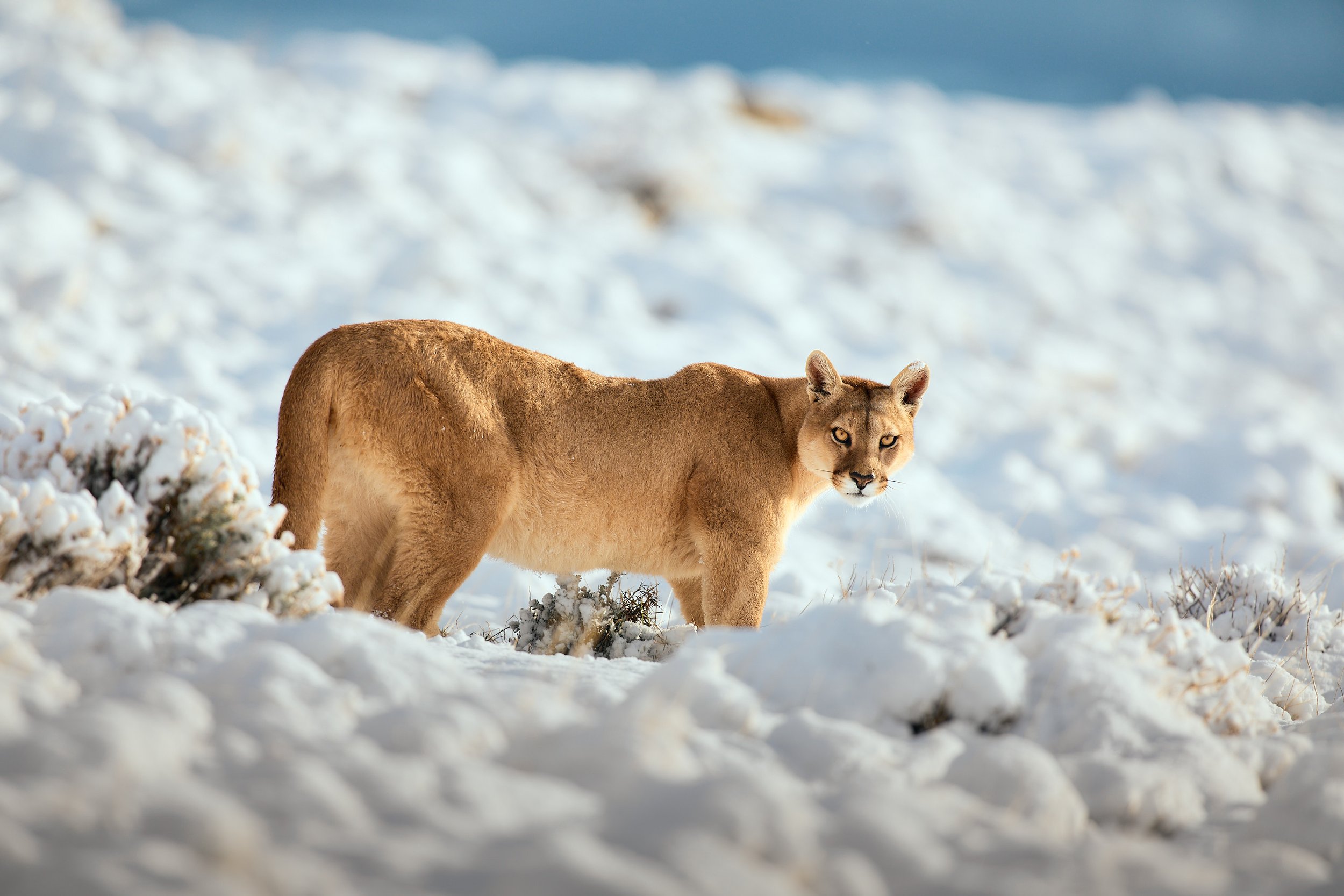
Storms flatten contrast and snow can fool your meter into under‑exposing. Instead of trusting auto modes, watch how the histogram behaves as the sky darkens or brightens. In a snow squall, add a stop of exposure compensation to keep whites from going grey; in driving rain under clouds, open your aperture and push ISO until you can still freeze motion without losing detail. There is no single “correct” setting because every storm is unique. What matters is your willingness to adjust and trust your eye. In wind, branches and grass become a blur; a slightly slower shutter can turn that movement into atmosphere while keeping the animal sharp. In snow, you might choose to let falling flakes streak with a long exposure to convey motion, or freeze them with a fast shutter for crystalline sharpness. Each choice tells a different story.
Stability in wind and sleet
High winds turn even the sturdiest tripod into a sail. In gusty conditions I often shoot handheld with my elbows anchored against my body or a tree trunk, using the mass of the camera and lens to dampen vibration. If you do use a tripod, hang your camera bag from the center column to add weight and lower the legs to reduce leverage. Wet snow and rain will accumulate on your lens hood; carry a small towel to clear it regularly. Keep your movements slow and deliberate: animals are already on edge in bad weather, and sudden motions risk sending them deeper into cover.
Predicting animal behaviour in extremes
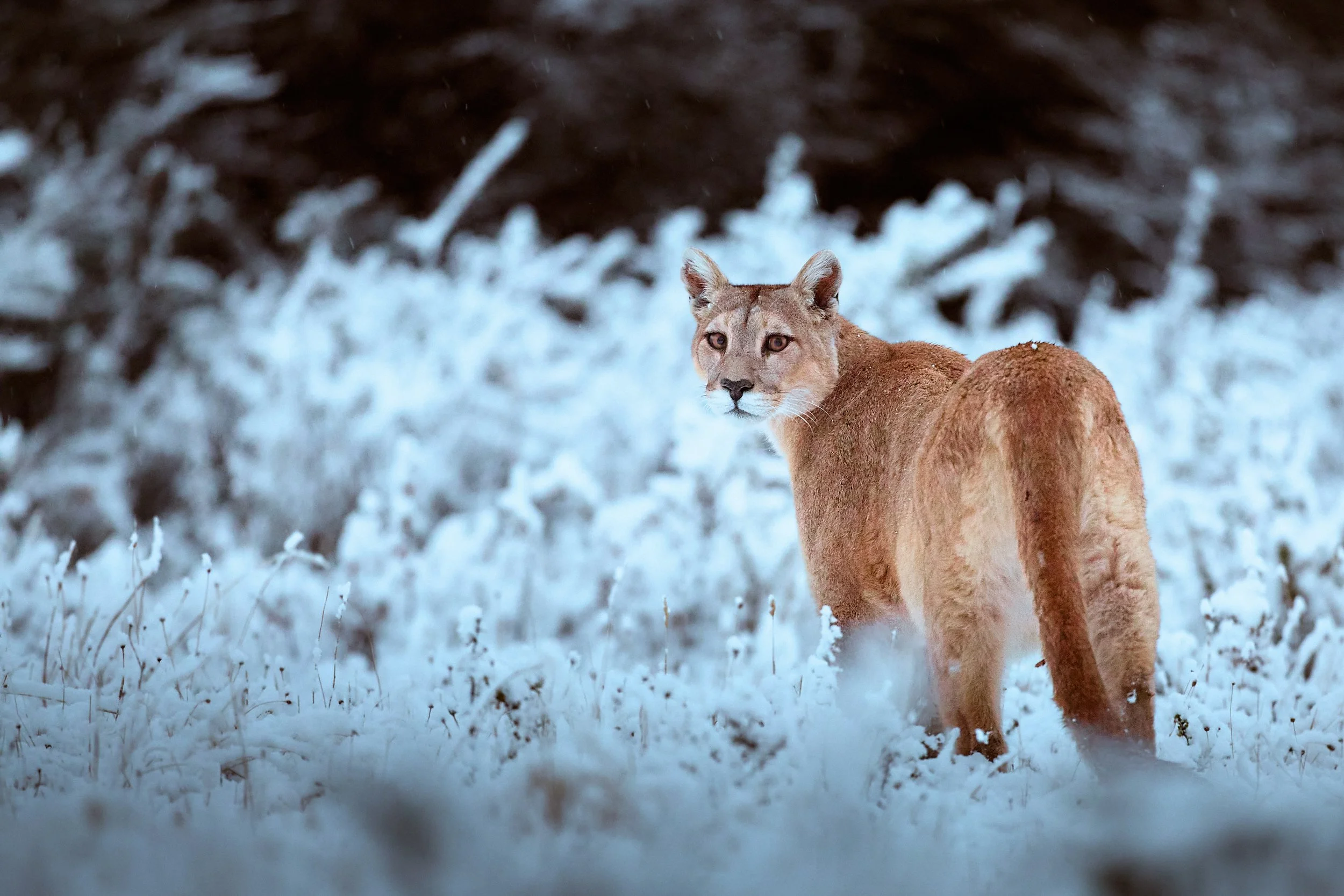
Harsh weather changes animal routines. Many species feed more actively ahead of a storm to ride out the worst of it with a full belly; others become lethargic as temperatures drop. Birds will often perch with their backs to the wind so rain runs off their feathers; ungulates seek lee slopes where the wind is broken. Rather than wandering aimlessly in bad weather, spend time understanding the species you hope to photograph. If you know where a fox’s den sits, you can position yourself downwind and out of sight and watch as it returns with a wet tail. On a snowy day, look for the edges of sheltered stands of trees where animals emerge to feed when the worst has passed. Patience becomes your telephoto when visibility drops.
When not to press the shutter
Above all, remember that no image justifies putting an animal at additional stress. There are times when the right decision is to pack up and leave. Flooded ground can turn into a quagmire that destroys nests; deep snow forces animals to expend more energy. If your presence causes them to move when they would otherwise conserve warmth, you’ve failed them. Sometimes earning the shot means accepting that it isn’t yours to take. Those missed frames become part of your internal library of stories that make the ones you do capture more meaningful.
🌧️ Some of the most powerful lessons in photography don’t come from a camera menu — they come from watching the wind, reading tracks in snow, and knowing when not to press the shutter.
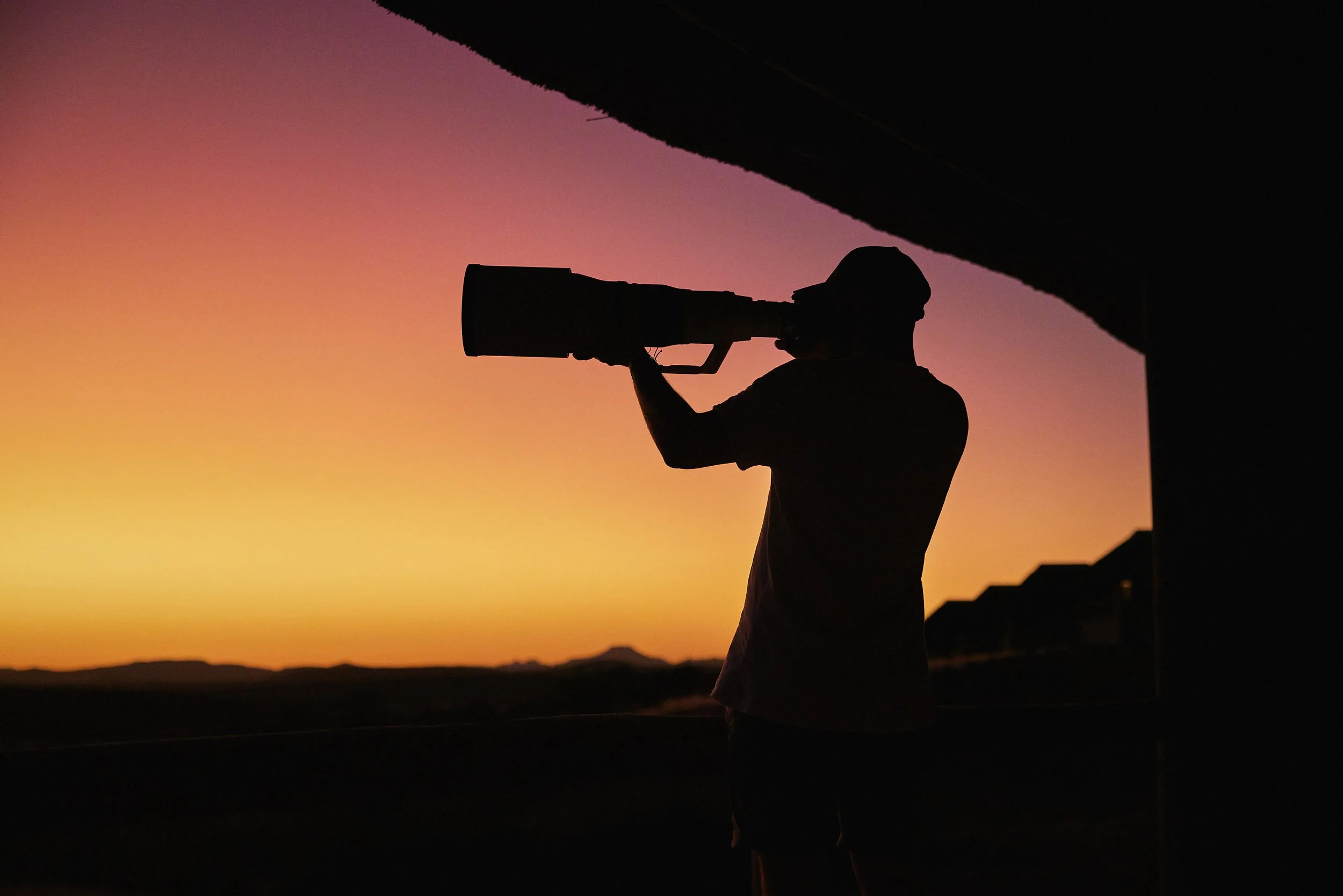
On my workshops, we spend time in the field not just chasing photos, but understanding what the land and animals are telling us — even in harsh, uncomfortable, messy weather.
If you want to learn how to photograph wildlife with patience, awareness, and respect — even when conditions are at their worst — I’d love to have you join one of the next trips.


Closing thoughts
Photographing wildlife in harsh weather isn’t about conquering the elements. It’s about listening — to the wind in the trees, to the animal’s body language, to your own intuition — and responding with respect. The images you bring home from a driving rain or a white‑out aren’t trophies; they are evidence of your commitment to understanding the natural rhythms of the wild. If this resonates with you, consider subscribing to my newsletter for more field‑tested insights or join me in one of my small, in‑person workshops where we learn together off the beaten path.
May 15 - 27, 2026