
Dressing for the Elements: Protective Clothing and Accessories for Extreme Wildlife Photography
When people imagine wildlife photography, they see huge lenses and exotic destinations. What they often overlook is the critical role that clothing and personal gear play in making those images possible. As photographers, we spend hours exposed to heat, cold, rain and biting insects. Your comfort directly affects your creativity; if you’re shivering, sweating or distracted by mosquitoes, you’ll struggle to focus on composition and timing. This guide shares insights on dressing for extreme environments while respecting the places and creatures we photograph.
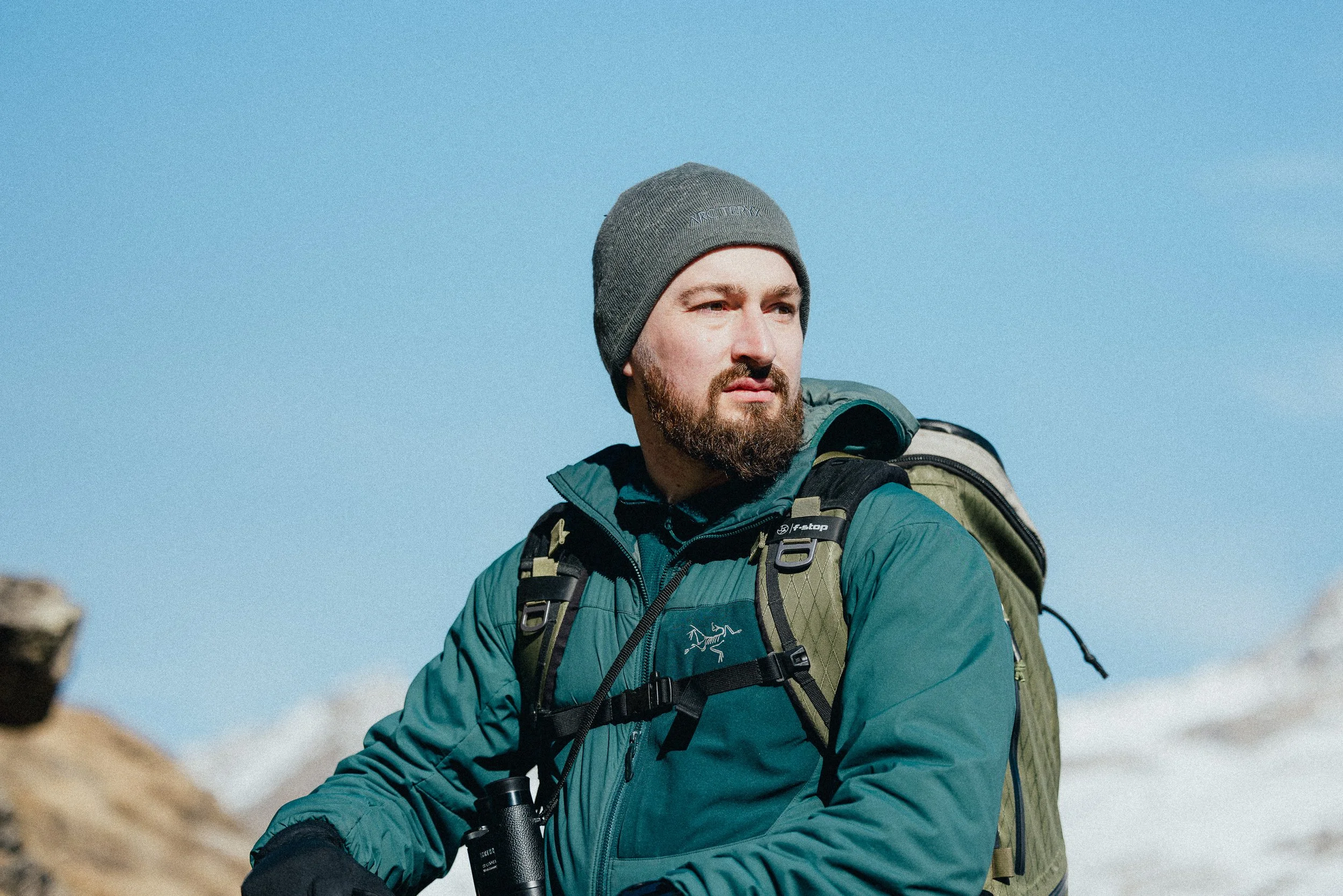
Layering: Your First Line of Defence
Cold Environments
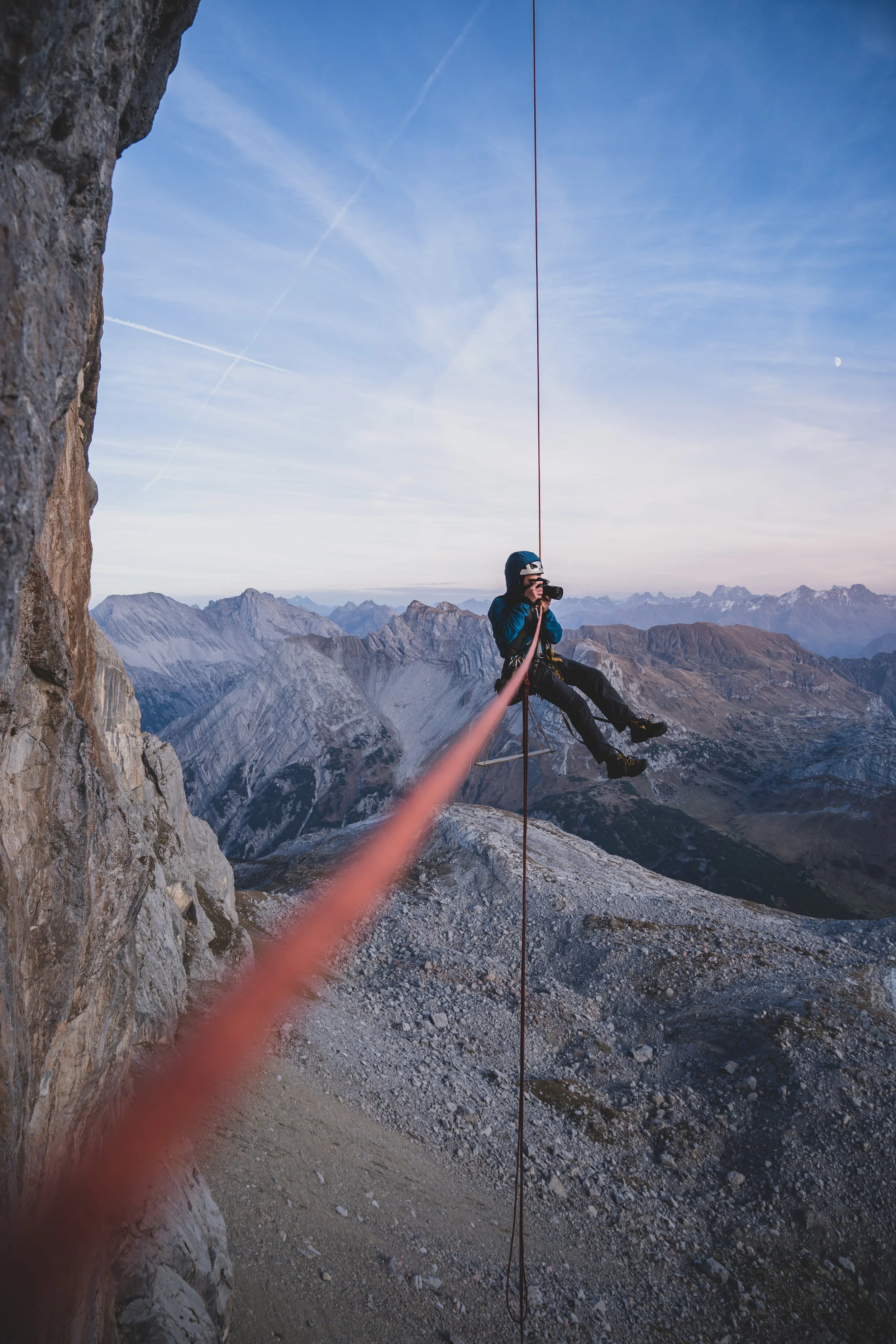
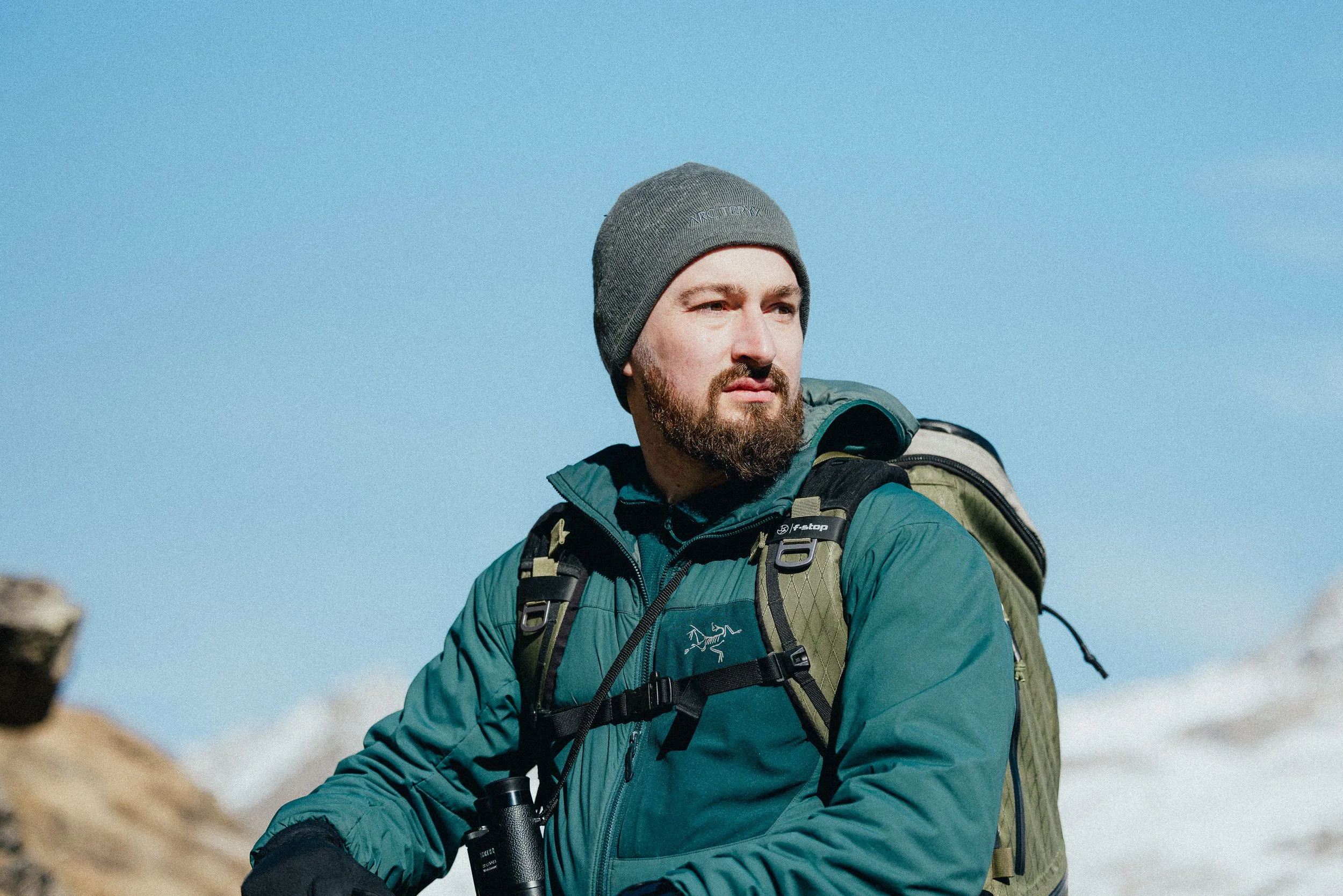
In polar regions or high mountains, temperatures can plummet well below freezing. Start with a moisture‑wicking base layer that pulls sweat away from your skin. Add an insulating layer such as merino wool or synthetic fleece, and finish with a windproof, waterproof shell. Avoid cotton, which absorbs moisture and loses insulation when wet. A good hood protects your head from wind and spindrift; a neck gaiter or balaclava shields exposed skin.
Invest in insulated gloves that still allow you to operate camera controls. Some companies make gloves with fold‑back fingertips, giving you dexterity when adjusting settings. For your feet, wear moisture‑wicking socks and insulated boots with good traction. Carry chemical hand warmers to slip inside gloves or pockets.
Hot and Arid Climates
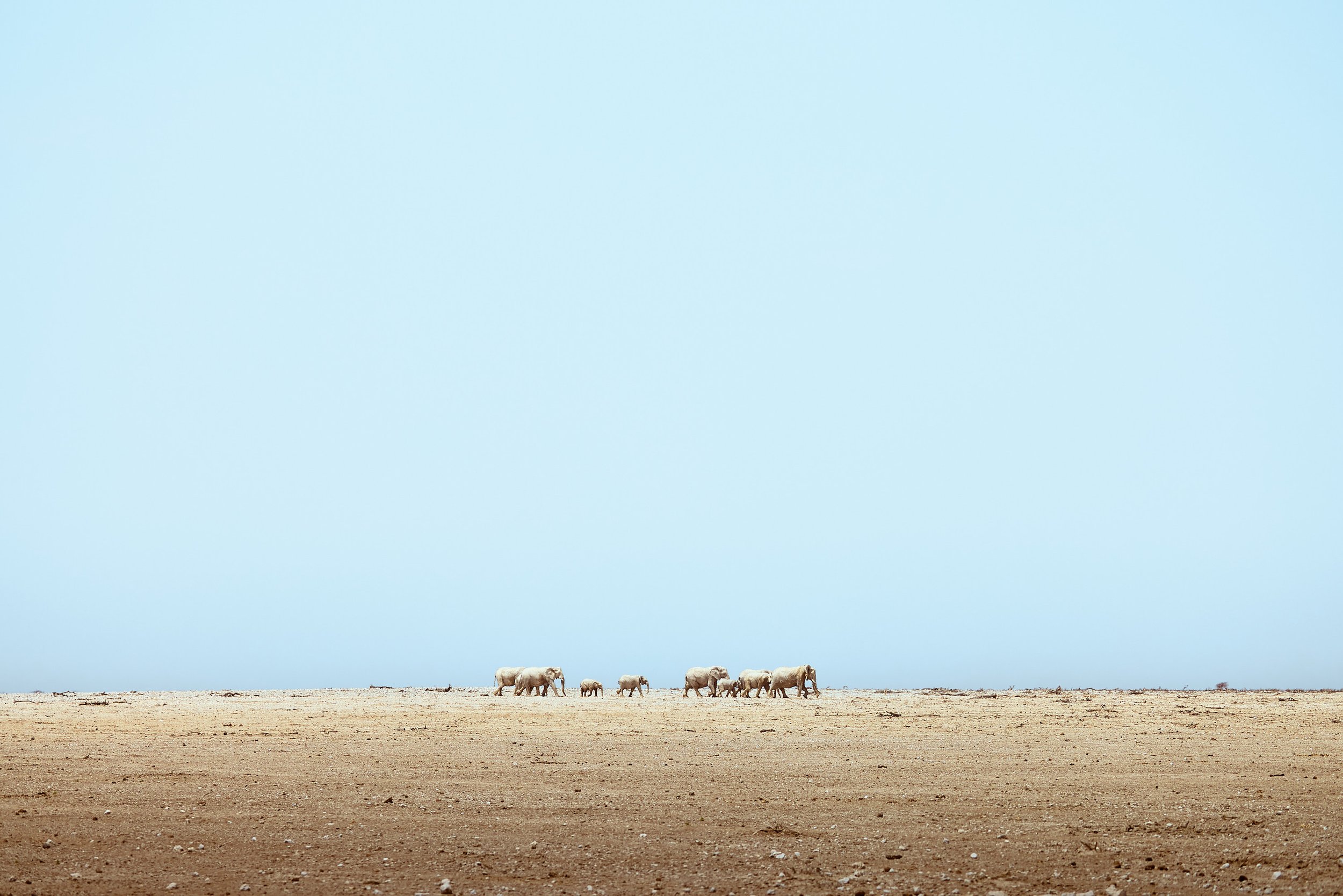
Desert environments present the opposite challenge: intense sun, high temperatures and blowing sand. Lightweight, breathable fabrics like nylon and polyester wick sweat and dry quickly. Long sleeves and trousers protect you from the sun and reduce moisture loss. A wide‑brimmed hat and UV‑blocking sunglasses shield your face and eyes.
Footwear should be sturdy yet breathable, with closed toes to protect against thorns and insects. In some deserts, sand gaiters prevent grit from entering your boots. Bring a lightweight scarf or buff; soaked in water, it cools you as it evaporates. Don’t forget sunscreen for exposed skin.
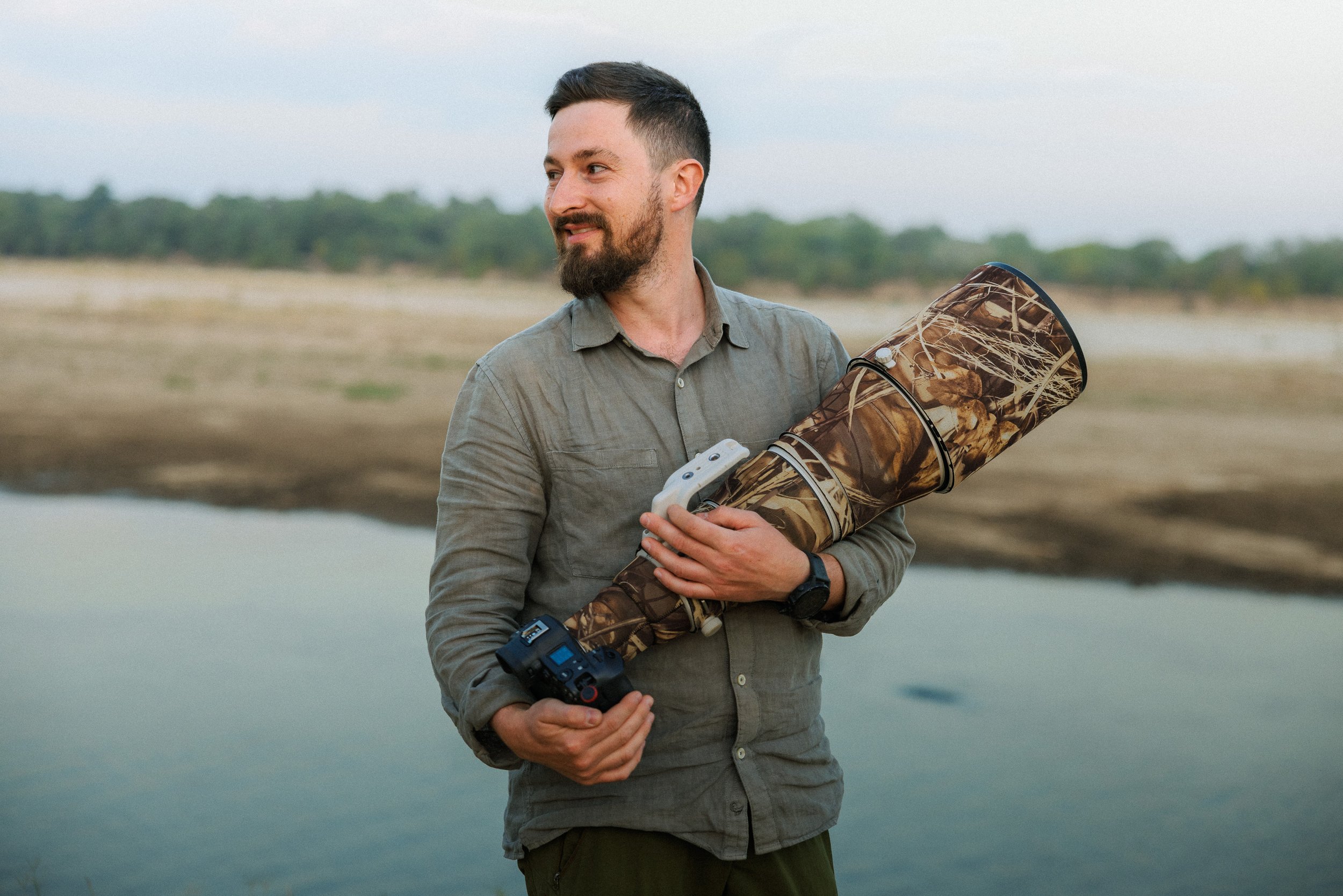
Tropical Rainforests and Wetlands
High humidity and frequent rainfall demand quick‑drying fabrics. Waterproof outer shells and pants are essential, but choose breathable membranes like Gore‑Tex to prevent overheating. Insect protection becomes critical—wear long sleeves and trousers treated with permethrin, and carry a head net for swarms of mosquitoes. Footwear should have aggressive tread to navigate mud; amphibious shoes with drainage channels are useful if you’ll be wading through rivers.
Accessories That Make a Difference
• Hats and headgear: In both cold and hot climates, a hat is non‑negotiable. It conserves body heat in winter and provides shade in summer.
• Gloves: Look for models with touchscreen‑compatible fingertips. In extreme cold, mittens over thin gloves keep fingers warm when you’re not shooting.
• Gaiters: These protect your lower legs and boots from snow, rain, mud or insects. They also prevent small stones or seeds from entering your shoes.
• Rain covers: Always carry a waterproof rain cover for your camera and lens. Even “weather‑sealed” gear benefits from extra protection in tropical downpours.
• Mosquito repellent and netting: In wetlands, mosquitoes carry diseases and can distract you at critical moments. Apply repellent and use netting when needed.
• Sunscreen and lip balm: High-altitude locations amplify UV radiation. Protect exposed skin to avoid sunburn, and use lip balm with SPF.
• First aid kit: Include blister pads, antihistamines and any necessary medications. Small injuries can become serious when you’re far from medical help.
Ethics of Protecting Yourself and the Environment
While personal comfort is paramount, we must ensure our presence doesn’t harm the places we visit. The fieldcraft guidelines from Wildlife Nomad emphasise low-impact practices like sticking to existing trails, avoiding baiting, and leaving no trace . Wearing appropriate footwear prevents damage to vegetation and reduces erosion. Selecting insect repellent that’s biodegradable and applying it sparingly reduces chemical runoff. When washing clothing or yourself in natural water sources, use environmentally friendly soaps or avoid soap altogether.
🧭 Good fieldcraft isn’t just about camera settings — it starts with how you move, what you carry, and how prepared you are to stay present in any conditions.
On my workshops, we work in a range of environments — from alpine cold to desert heat — and we do more than photograph. We learn how to dress, move, and observe in ways that respect both the animal and the landscape.
If you want to build a practice of photography that begins before the shutter and continues long after, join us in the field.


Preparation Is Respect
Proper clothing and accessories are not only about self-preservation; they are a way of respecting the environment. When you’re prepared, you don’t need to build fires for warmth or cut branches for shelter. You can stay longer in the field, observe quietly and capture authentic moments. Make thoughtful choices about what you wear and carry, and you’ll find your photography improves along with your comfort.
Join the Adventure
If you’d like to experience a range of environments—from frozen tundra to tropical wetlands—while honing your photography and fieldcraft skills, consider joining one of my upcoming workshops. We’ll cover gear, clothing and ethical practices in depth, ensuring you’re ready for any conditions. Visit my Workshops page to see our destinations, and sign up for the newsletter to receive more gear and fieldcraft tips.
May 15 - 27, 2026