
The Rise of “Animalscape” Photography
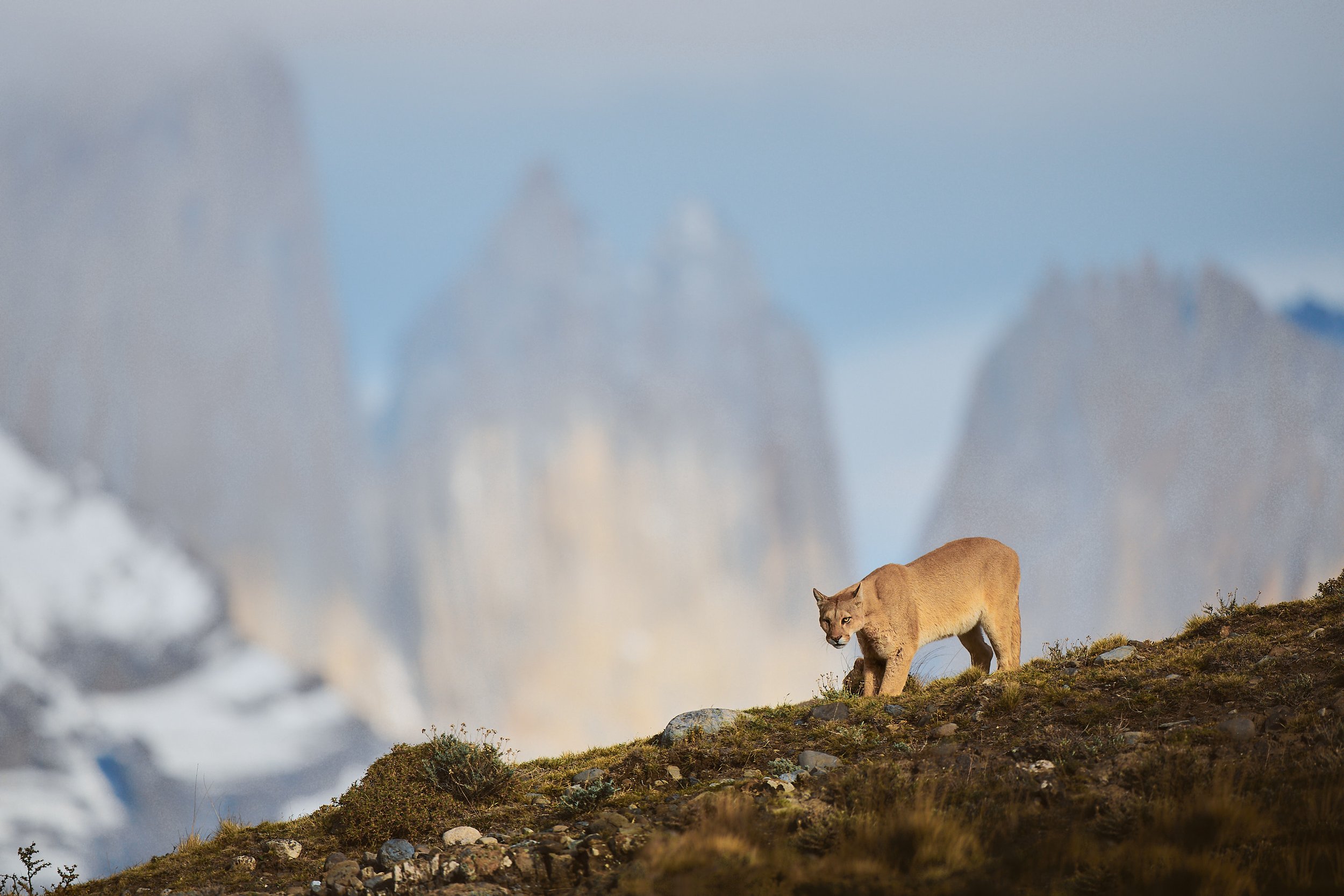
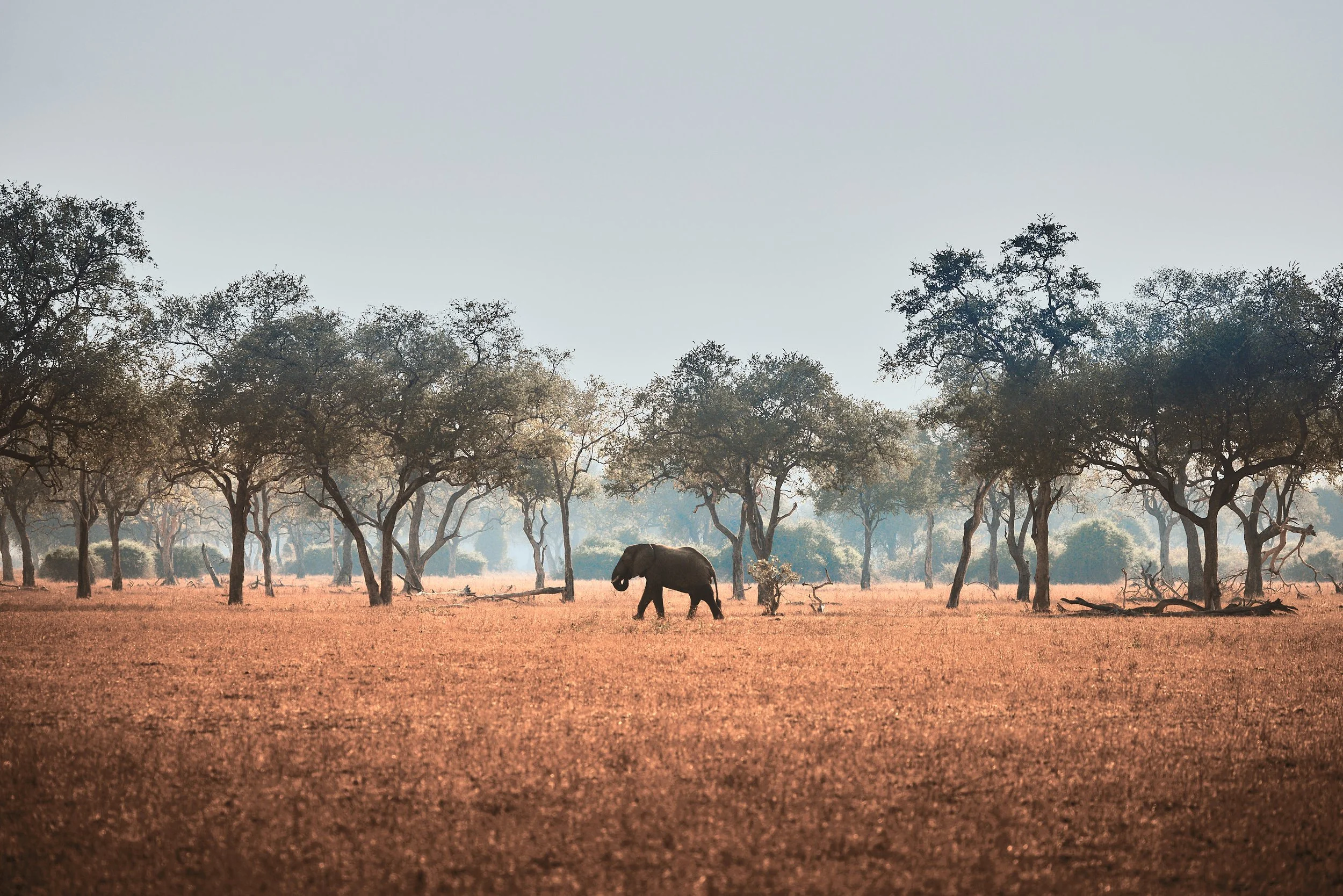
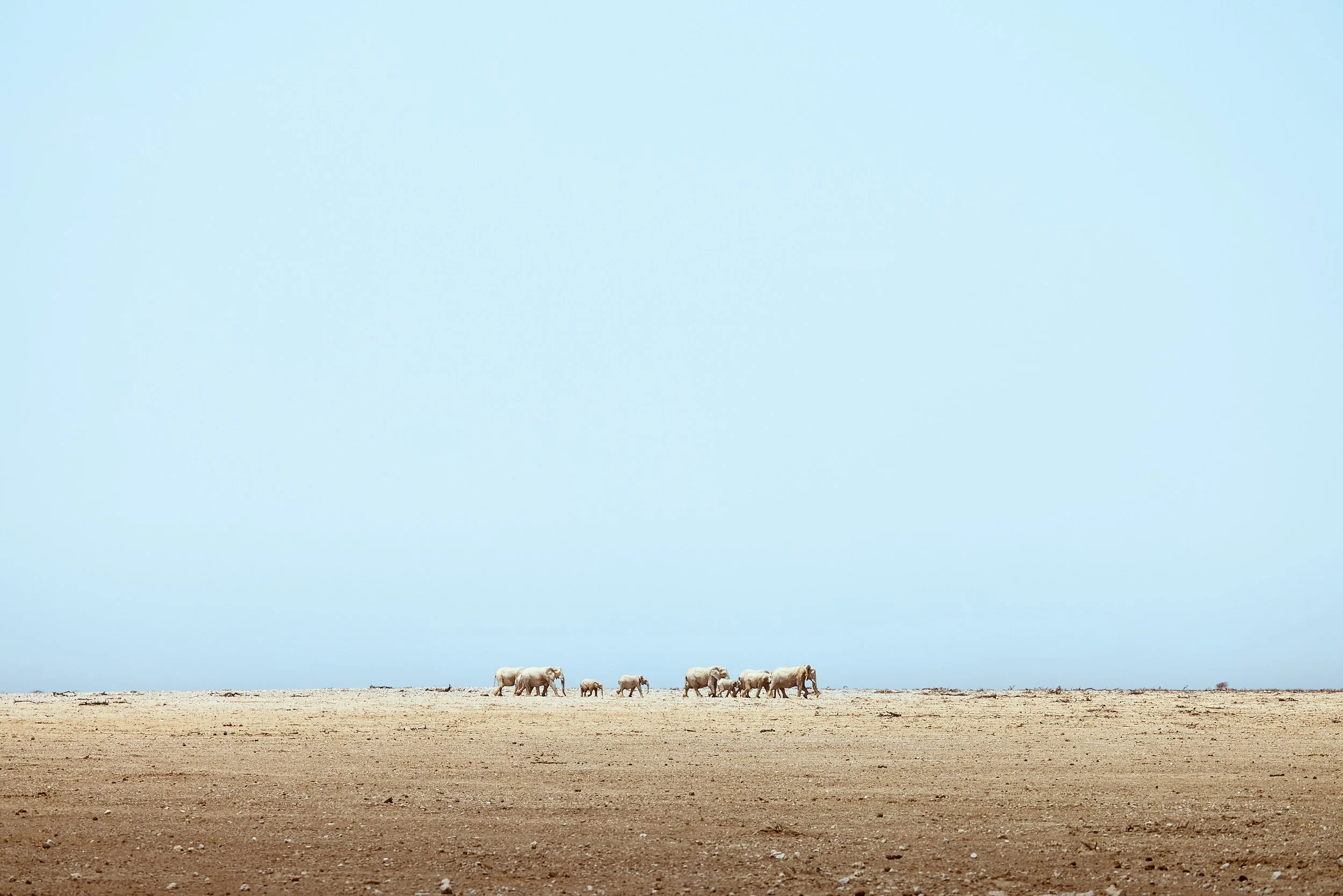
Stand in front of a striking wildlife portrait and your first instinct is to marvel at the animal — the curve of a horn, the intensity of an eye. But there is another way to tell a story that goes beyond the isolated subject. “Animalscape” photography places the creature within its environment so that the land and the animal are inseparable. This isn’t a new idea — early nature photographers regularly worked with wide‑angle lenses to show context — but it is experiencing a renaissance among photographers who are tired of generic close‑ups and want images that feel rooted in place.
Shifting perspective from portrait to environment
An animalscape image invites the viewer to see the world through the animal’s eyes. Instead of filling the frame with fur or feathers, you deliberately step back to reveal where the animal lives. A mountain goat silhouetted against a jagged ridge at dusk conveys not only the goat’s form but its mastery of cliffs. A wildebeest crossing a river within a vast savannah tells a story about migration and risk. These photographs require you to think like a landscape photographer: study light, look for leading lines, and use negative space to create breathing room. Wide‑angle lenses or moderate telephotos encourage this broader view, but composition and patience matter more than focal length.
Fieldcraft for context‑rich images
Creating an animalscape demands careful positioning. Arriving early and observing how light moves across a scene allows you to place yourself where animal and backdrop align. Pay attention to wind direction, both for scent control and for how it shapes grass or dust. Simplify the frame by avoiding clutter; sometimes a low angle can place your subject against the sky or a distant hill, reducing distractions. Because you are working with more of the scene in focus, depth of field must be managed; stopping down to f/8 or f/11 helps keep foreground and background elements crisp, while still letting the subject stand out. Most importantly, respect the animal’s space. You cannot force an animal into a particular composition without causing stress or harm.
Why animalscapes resonate
In a world saturated with close‑up portraits, environmental images stand out. They convey a sense of scale and place that connects viewers to the animal’s reality. For the discerning photographer, this approach also satisfies a deeper curiosity. It forces you to understand the landscape and the animal’s relationship to it. In turn, your work becomes part of a broader conversation about habitat, conservation and coexistence. Clients and audiences appreciate images that tell a story beyond the obvious beauty of a creature; they can envision themselves in that space, feeling the wind and smelling the earth. Animalscapes are, in a sense, more honest — they acknowledge that no animal exists in isolation.
Seeing the Whole Story — and Learning to Photograph It
Animalscape photography is, at its core, a way of slowing down. It asks you to stop chasing proximity and instead start paying attention to relationships — between animal and land, light and form, movement and stillness. The more you work this way, the more you realise that the strongest images rarely come from reacting quickly. They come from being in the right place, long enough, with intent.
This approach changes how you move in the field. You walk more, wait more, and shoot less — but with greater purpose. You begin to think in sequences rather than single frames, in stories rather than trophies. You learn when to choose a wider lens not because the animal is far away, but because the environment is telling half the story. And over time, your portfolio starts to reflect not just what you saw, but where you were.
This is exactly how we work on my workshops.
Whether we’re tracking wildlife in open savannahs, moving through alpine terrain, or photographing animals at the edge of deserts and forests, we spend time understanding the landscape before lifting the camera. We talk about positioning, light, wind, and timing — but also about restraint, patience, and knowing when the scene isn’t ready yet. Animalscapes aren’t something you force; they’re something you earn by being present.
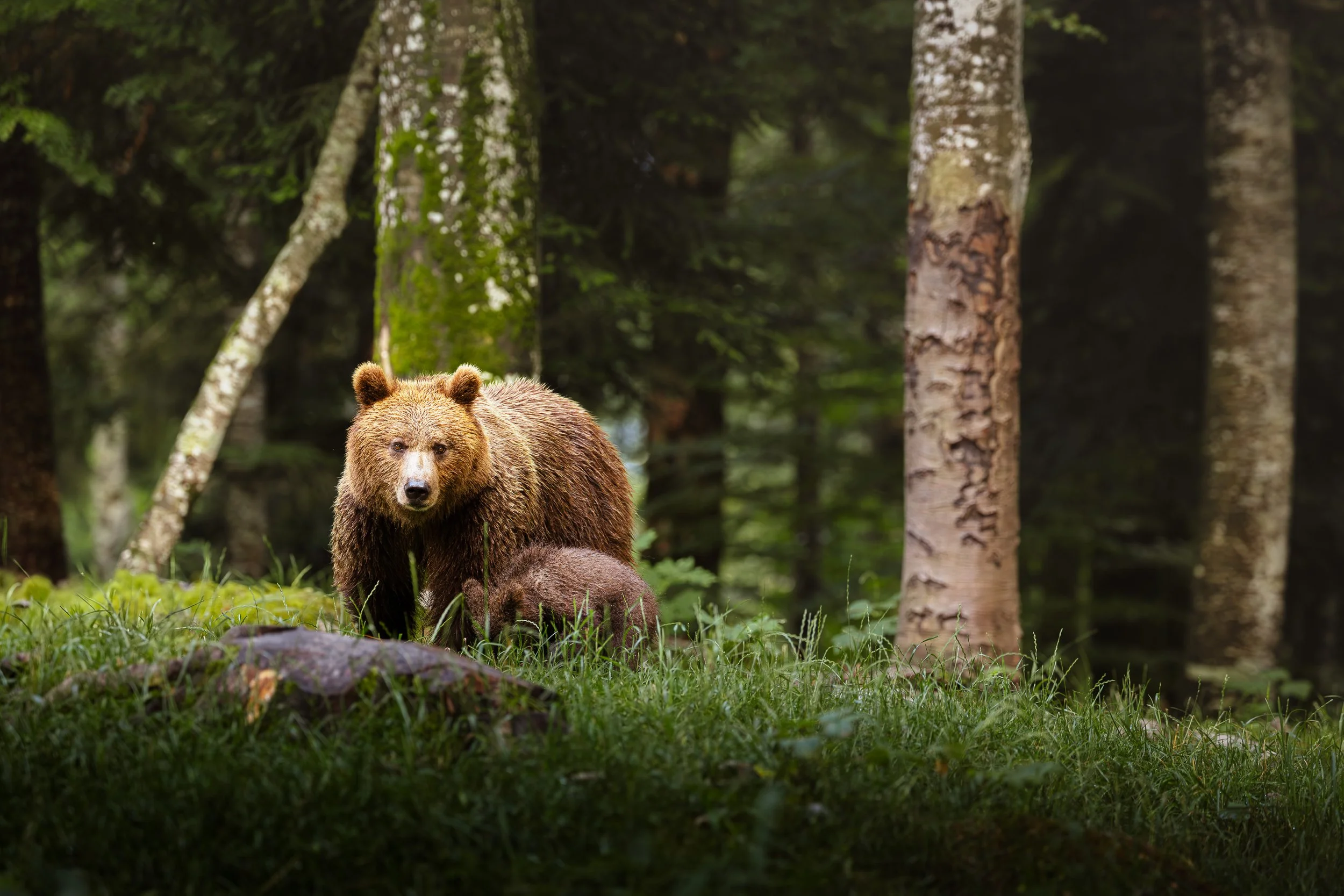


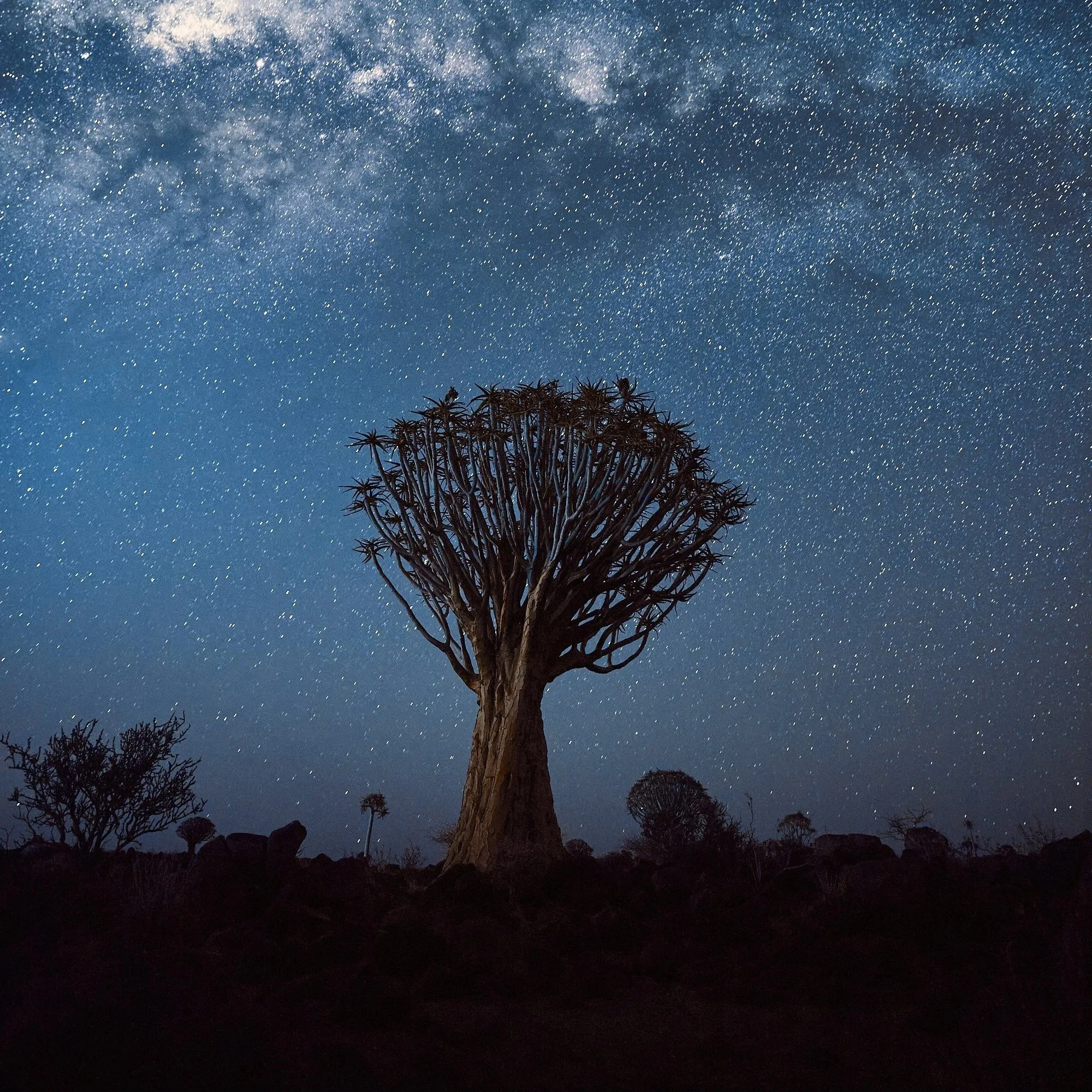
If this way of photographing resonates with you — if you’re drawn to images that feel grounded, honest, and deeply connected to place — then you’ll feel at home on these trips. They’re designed for photographers who want to go beyond close‑ups, beyond formulas, and learn how to tell fuller, more meaningful wildlife stories in the field.
Some photographs show an animal.
Others show a world.
Those are the ones we learn to make together.
May 15 - 27, 2026