Canon Wildlife Lens Showdown: 100–500mm vs 100–300mm f/2.8 vs 600mm f/4 (Real-World Review)
Let’s be honest: wildlife photography is brutal on your gear. And choosing the right lens? Even more brutal on your wallet.
Over the past years of shooting everything from mountain ibex in the Alps to lions and leopards in Botswana, I’ve spent a lot of time with three of Canon’s top telephoto zooms and primes: the RF 100–500mm f/4.5–7.1, the RF 100–300mm f/2.8 L IS, and the RF 600mm f/4 L IS. They all have a spot in my bag — but each plays a very different role.
So here’s a breakdown of what each one does best, where they fall short, and which one you might want to start with (or upgrade to).
Canon RF 100–500mm f/4.5–7.1 L IS USM
Quick specs:
Focal Length: 100–500mm
Max Aperture: f/4.5–7.1
Weight: 1370g (with tripod collar)
Image Stabilization: Yes
Price: ~€3100
The 100–500mm is what I call Canon’s all-in-one wildlife zoom. It’s crazy versatile. You can shoot big mammals at 500mm and, a second later, pull back to 100mm to frame an animal in its environment.
What makes this lens so powerful is its portability and range. It’s compact enough to carry around all day — I’ve used it for everything from gorillas in Rwanda to eagles in the Alps. It fits easily in a backpack and balances well on most Canon mirrorless bodies.
Autofocus is fast, and it tracks well even in moderately difficult light. The lens is also very sharp, particularly in the 100–400mm range. But yes, let’s address the elephant in the room: f/7.1 at 500mm.
In low light, you’re going to need to crank up your ISO. Early mornings and late afternoons — classic wildlife hours — are where this lens starts to feel a little limiting. It’s not unusable, but it’s not ideal either. That said, paired with modern sensors and AI noise reduction (like Lightroom’s built-in AI NR), it still produces high-quality results.
If you’re getting into wildlife photography or need a single-lens solution, this is the best balance of performance, size, and price. I still prefer it over the newer 200–800mm because of one crucial thing: the ability to zoom back to 100mm.
That flexibility is gold when you want to tell a story, not just take a portrait.
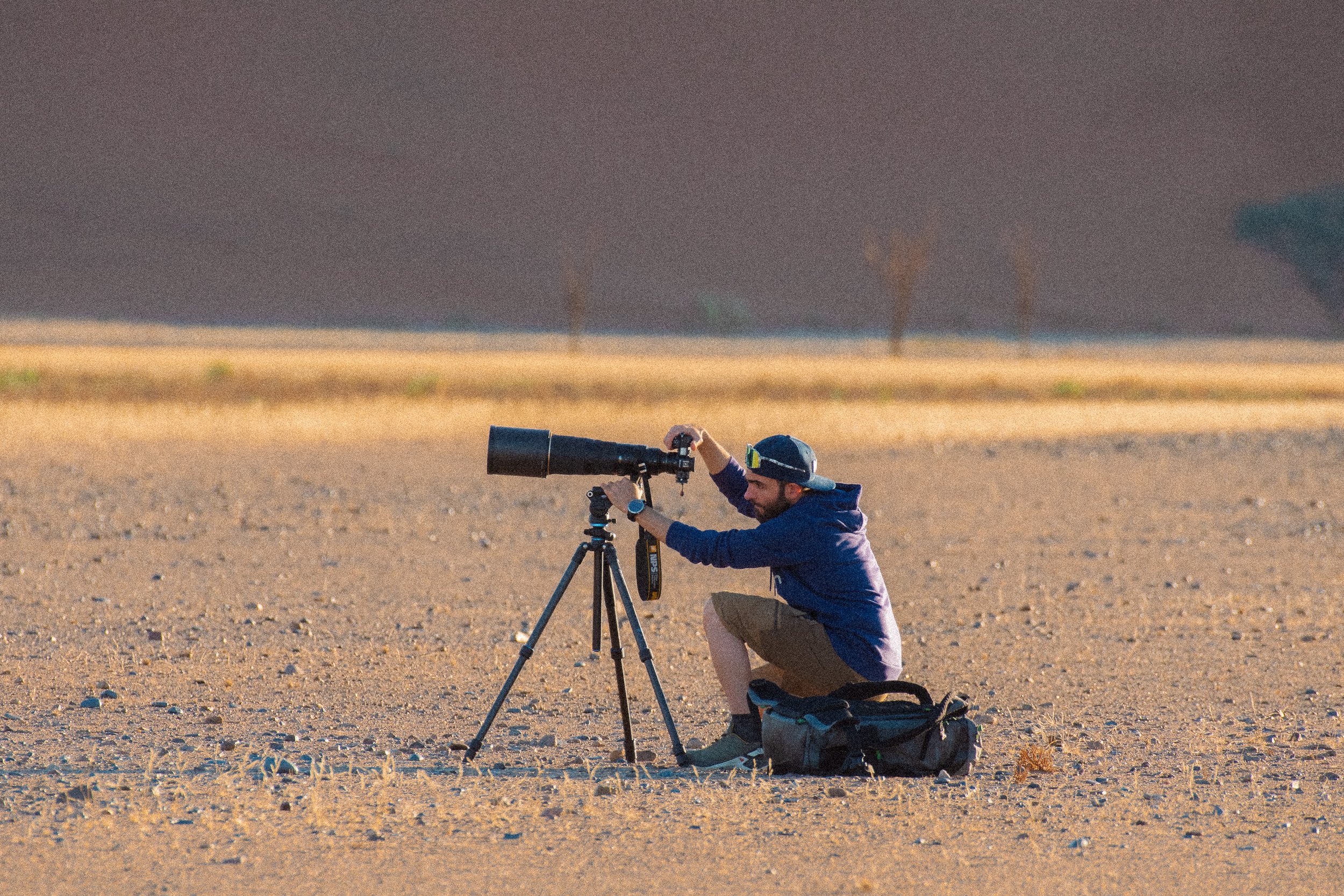
R5 + 100-500mm RF in Sossusvlei, Namibia. February 2023
Canon RF 100–300mm f/2.8 L IS USM
Quick specs:
Focal Length: 100–300mm
Max Aperture: f/2.8 constant
Weight: 2650g
Image Stabilization: Yes
Price: ~€11,800
Now we’re entering the pro zone. The 100–300 f/2.8 is hands-down the most flexible fast telephoto zoom in Canon’s current line-up.
It's tack sharp wide open, even at 300mm, and handles low light like a dream. I often use it with a 1.4x teleconverter, which gives me a 140–420mm f/4 — essentially replacing both a 300mm prime and a 400mm f/2.8 in my setup.
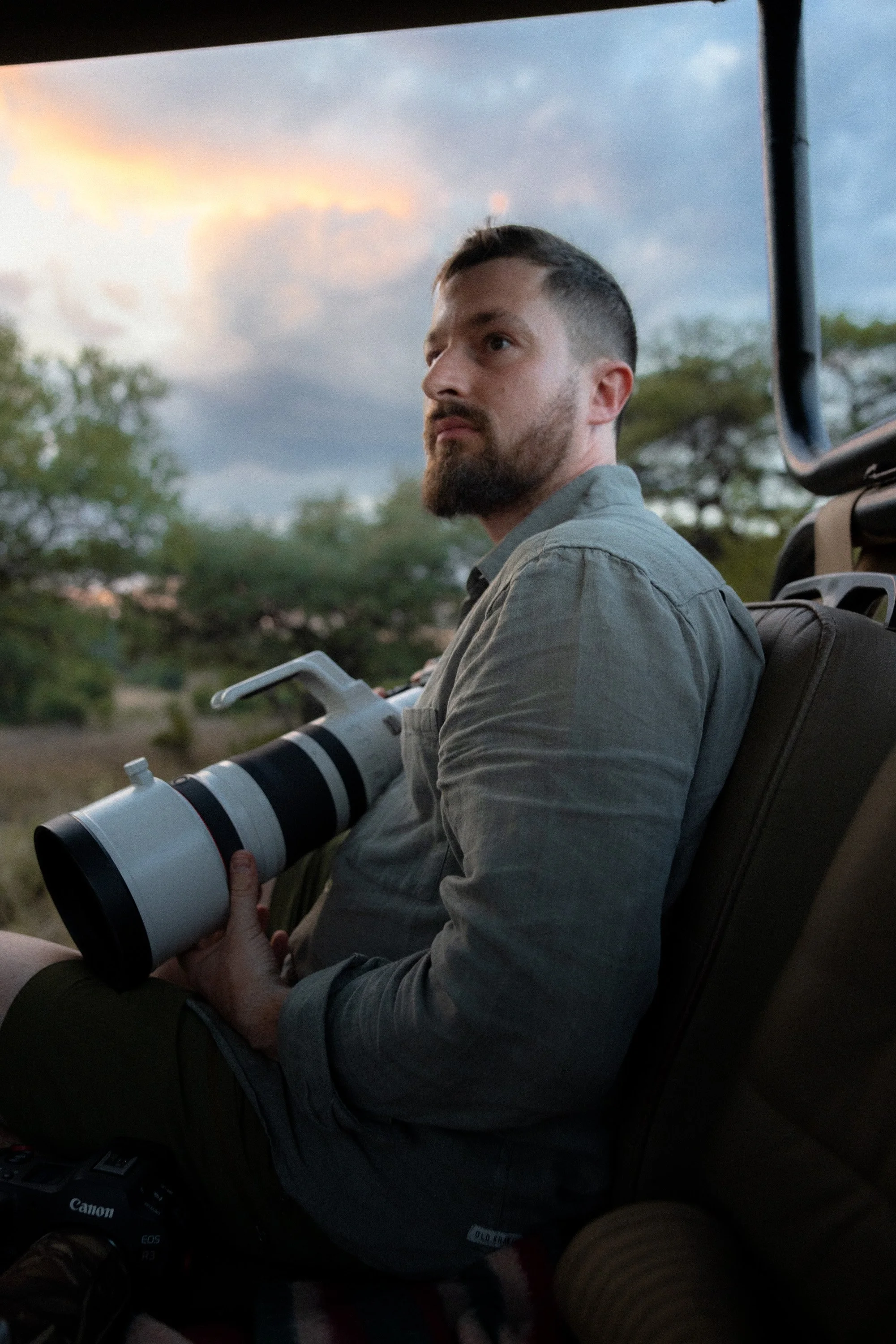
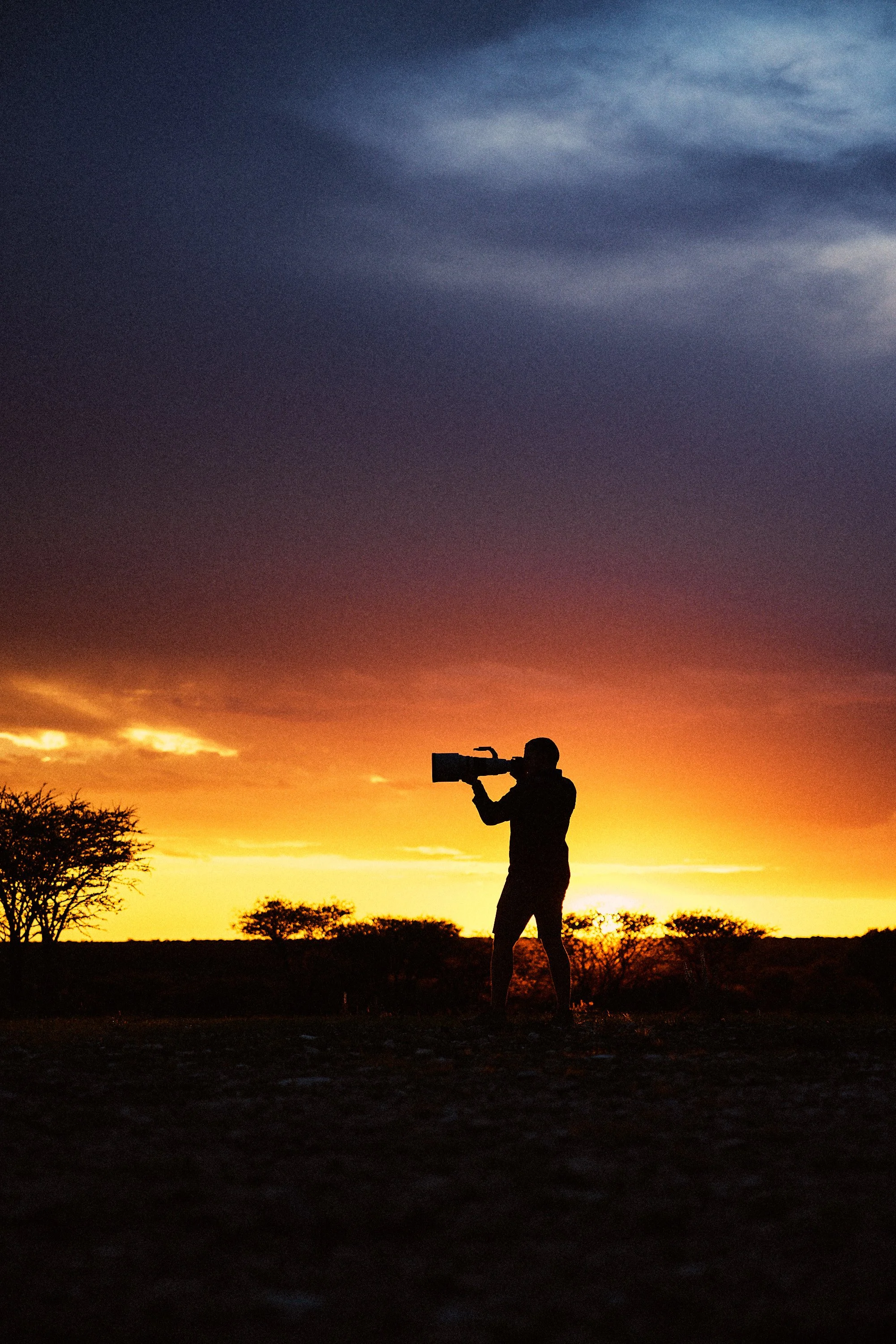
With the 100-300 f/2.8 on a safari in South Luangwa NP, Zambia, June 2025
What makes this lens incredible isn’t just the reach or sharpness — it’s the ability to shoot at f/2.8 across the entire range, which means better subject separation, faster shutter speeds, and beautiful depth of field.
But let’s be honest — it’s very expensive. It’s also quite a bit heavier than the 100–500mm, and not something you’ll casually carry on a hike unless you know exactly what you're after. I wouldn’t recommend this to anyone who isn’t making money with their camera or who doesn’t already have extensive experience with longer lenses.
It’s a specialist tool — but if you need flexibility and speed, and you shoot a lot of action (predator-prey interactions, fast-moving birds, etc), this might be your dream lens.
Canon RF 600mm f/4 L IS USM
Quick specs:
Focal Length: 600mm prime
Max Aperture: f/4
Weight: 3090g
Image Stabilization: Yes
Price: ~€13,500
This is my go-to lens for serious wildlife work. When I head to Namibia, Zambia, or Botswana, this lens almost never stays behind.
The 600mm f/4 gives you reach, compression, and subject isolation that just isn’t possible with a zoom. The f/4 aperture helps massively in low light and allows for fast shutter speeds and creamy backgrounds. Plus, that compression effect lets you shoot from further away, which is often necessary when photographing skittish or dangerous species.
Some photographers prefer the 400mm f/2.8 for flexibility, but I find the extra reach of the 600mm more useful. Especially when paired with a second camera body that has a wider zoom.
You do need a monopod or support if you’re planning to shoot handheld for long periods — it’s not exactly light. But for me, this is the lens that gets the “money shots.”
It’s not versatile. It’s not compact. But in terms of optical quality and professional-grade wildlife work — this is thelens.
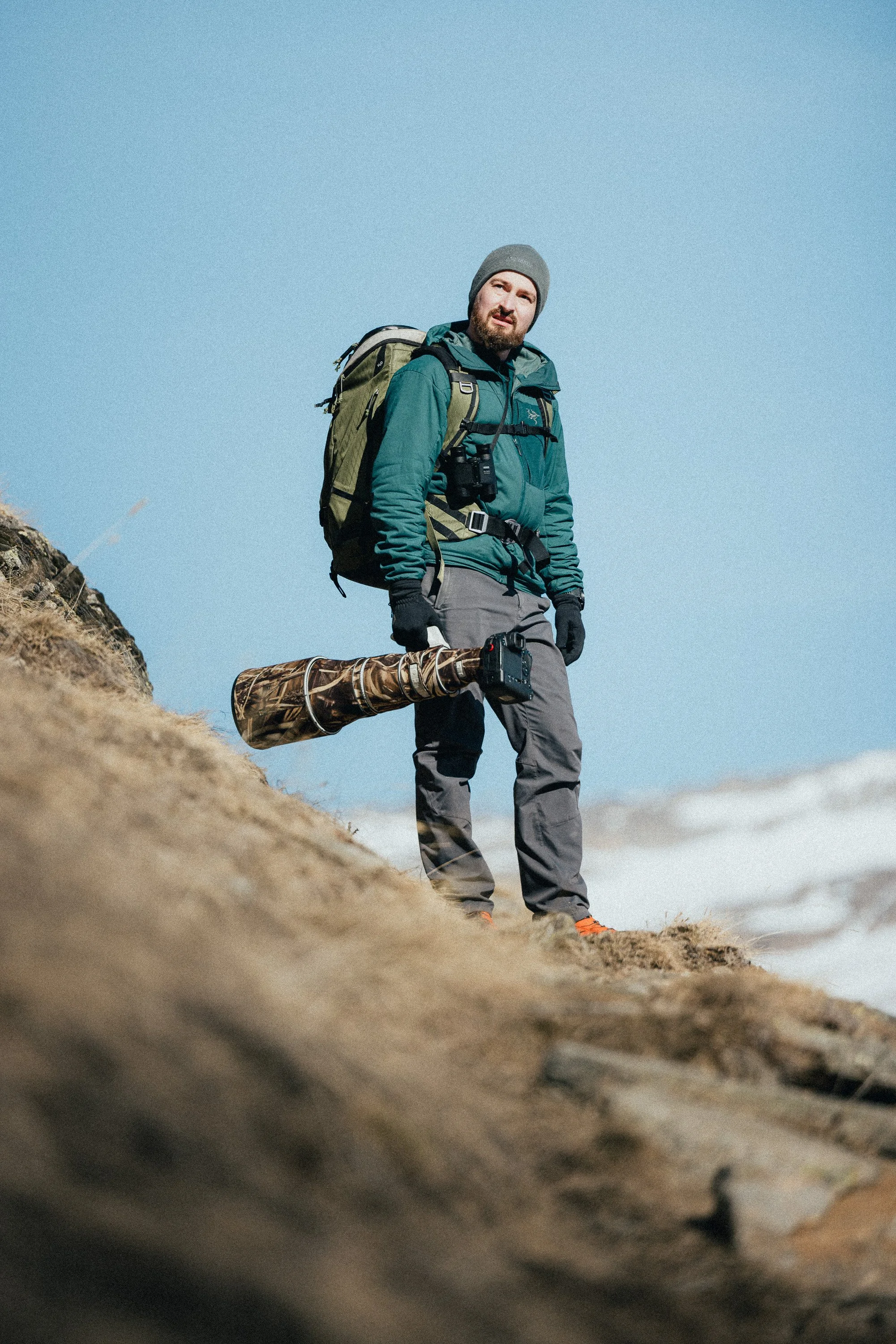
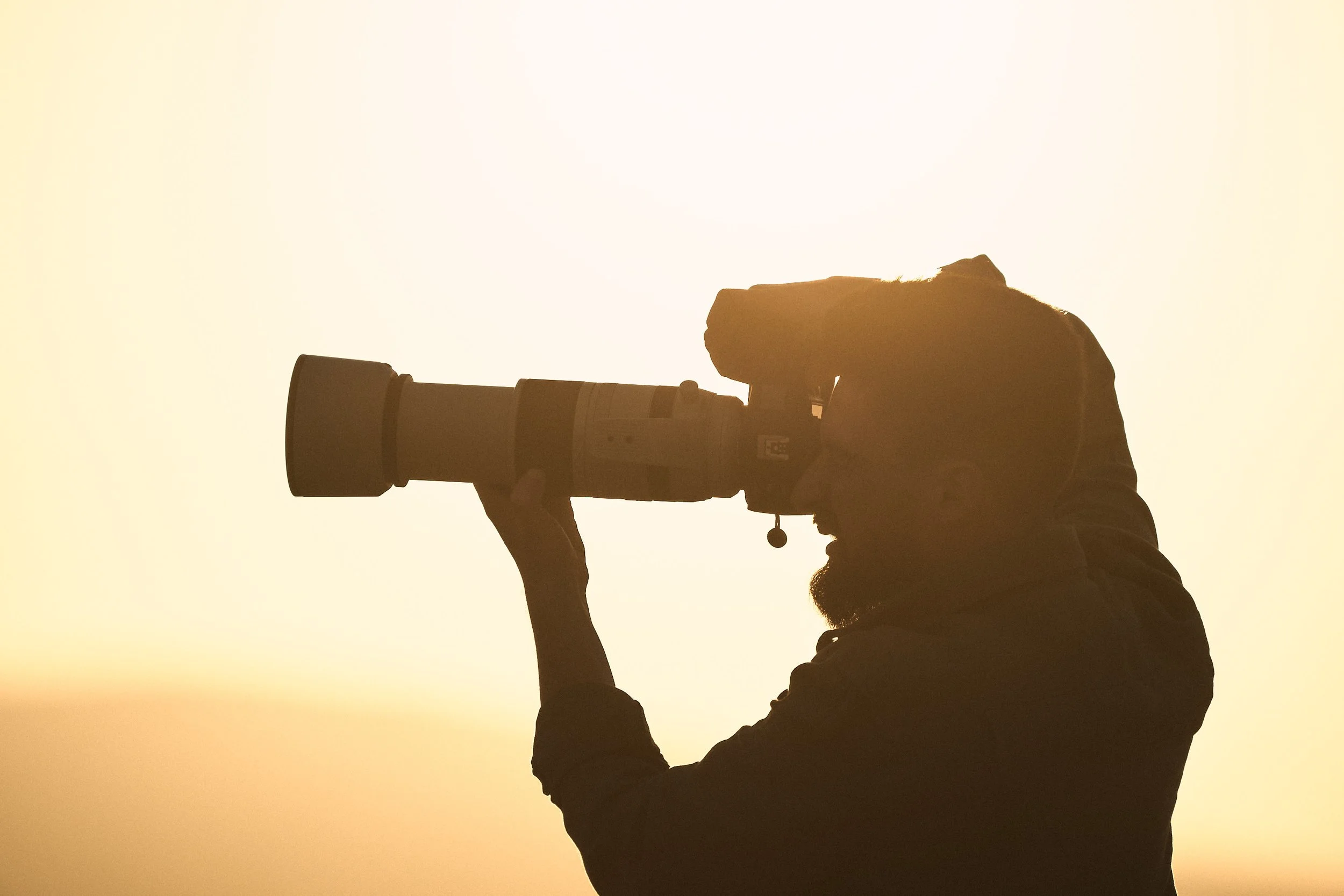
With Canon R3 + 600mm f/4 in Gran Paradiso National Park, Italy. January 2025
My Honest Advice
If you’re starting out or still refining your craft, don’t jump straight into the €10K+ lens club. Buy something like the 100–500mm or 200–800mm, get out there, and shoot a lot. Then, look back at your photos and see what focal lengths you use most. That’ll guide your upgrade path far better than any blog or YouTube video.
For professionals or advanced hobbyists with a specific need (low light, shallow depth of field, insane sharpness, or faster AF), then investing in the 100–300 f/2.8 or 600 f/4 makes a lot more sense.
Every lens is a trade-off. Choose based on your style, your goals, and what you love to shoot.
Final Thoughts
I’ve used all three of these lenses in real-world situations — from foggy Alpine mornings to scorching afternoons in Etosha. Each has a role, and each has its strengths.
But no lens, no matter how expensive, will take good photos for you. It’s about knowing your gear, understanding your subject, and — more than anything — putting yourself in the right place, at the right time.
Now, go shoot.