10 Wildlife Photography Accessories You Didn’t Know You Needed
When most people think about improving their wildlife photography, they picture getting a better camera or a sharper lens. But here’s the truth: some of the most significant leaps in your results don’t come from upgrading gear, they come from the right accessories. Over the years, through trial and error and a lot of dusty safaris, I’ve built a shortlist of lesser-known tools that have saved shots, protected my gear, and flat-out made my life easier in the field.
Let’s dive into ten (actually, a few more!) of my favourite accessories, broken down into field stability, protection, and organisation, and I’ll explain not just what they are, but why they matter in real shooting scenarios.
🧰 Field Stability & Support
1. Bean Bag
If you’re shooting from a safari vehicle, and many wildlife photographers do, a tripod isn’t always practical. Enter the bean bag. These soft, adaptable supports are perfect for stabilising your camera on the frame of a vehicle window or the roof ledge. I always travel with mine empty (to save weight) and then fill it with rice, beans, or birdseed once I’m at my destination, or ask the camp staff, many lodges are used to this request.
Bonus tip: choose one with a handle or clip so you can carry it easily when walking between vehicles and hides.
2. Compact Gimbal Head
For fast-moving animals, think birds in flight, running cheetahs, or even bounding deer, smooth tracking is everything. A compact gimbal head (I like the Wimberley WH-S200 or Leofoto PG-1 for lightweight setups) allows for fluid panning without the stiffness or tipping of a ball head. It’s the secret to sharp shots at long focal lengths.
I use it a lot when shooting from hides or static stakeouts. If weight is an issue, pairing it with a monopod instead of a tripod can also work wonders.
3. Ground Pod or Platypod
Sometimes the best shots are taken lying flat on the ground. If you’ve ever tried to balance your 600mm lens directly on sand or rock, you know it’s a recipe for dust and disaster. That’s where a ground pod (or Platypod if you prefer a hard-surface base) comes in. It supports your camera close to the ground while still allowing precise movement.
When paired with a gimbal or even a ball head, it becomes a game-changer for low-angle perspectives of subjects like elephants, rhinos, or small mammals, without getting your tripod legs in the shot or spooking the animal.
🌦️ Protection & Maintenance
4. Rain Cover
The weather is unpredictable. Whether you’re dealing with a sudden downpour in the rainforest or dust storms in the savannah, protecting your gear should be non-negotiable. A quality rain cover (I use LensCoat and ThinkTank’s versions) shields your camera and lens from moisture, dirt, and even the occasional splash from a nearby hippo.
You can improvise with a plastic bag in a pinch, but dedicated covers give you more confidence and access to controls. Especially helpful for long hours in hides when the rain sets in and you still want to keep shooting.
5. Neoprene Lens Cover (LensCoat, CamShield, etc.)
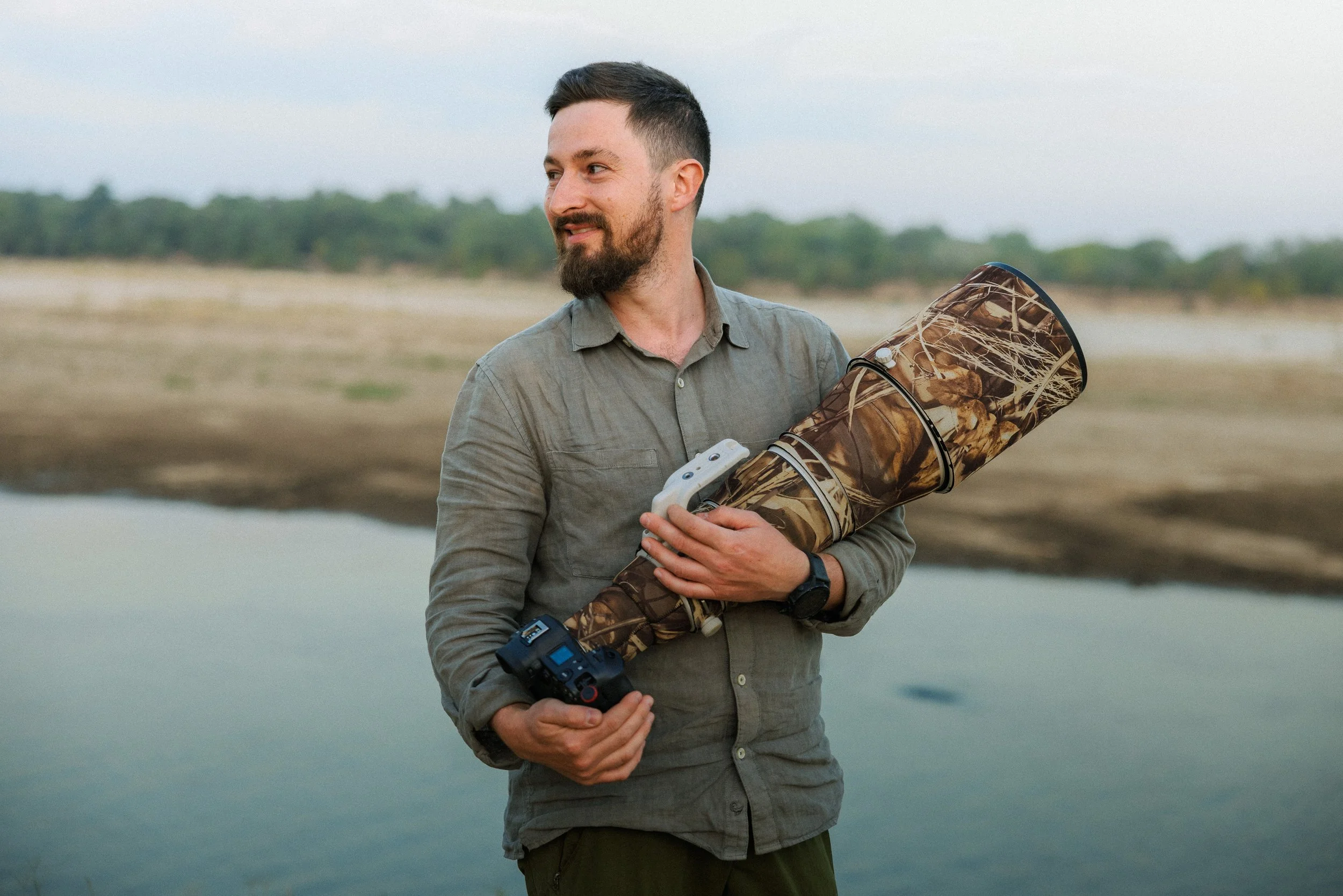
For big telephotos, a neoprene lens coat does three things: adds a bit of camouflage, makes your lens easier to grip in the heat, and, more importantly, protects it from dings and bumps. These lenses are expensive. A minor impact from a metal vehicle frame or the edge of a hide window can cause issues.
I’ve had moments where a lens coat probably saved me from serious repair costs. Plus, they make you look more professional in the field.
6. Sensor & Lens Cleaning Kit
I cannot overstate how vital a proper cleaning kit is, especially on dusty safaris or remote mountain trips where professional cleaning services are non-existent. At minimum, carry:
A Giottos-style blower
A soft brush
Microfiber cloths
Sensor-safe swabs if you're confident using them
Wipe your lenses daily, especially if you’re swapping gear in the field. Sensor dust can ruin a perfect shot, and trust me — it always appears in the sky or on a lion’s face in your best photo of the day.
7. Battery-Powered Blower
This might be the most underrated item in my kit. I picked one up on a whim and now never leave for safari without it. Compared to a manual blower, a battery-powered one is faster and more effective at blasting off fine dust, especially on lens barrels and around buttons or dials.
It’s convenient when you’re in open vehicles all day and your camera is constantly exposed to the elements. After a few hours in dusty conditions, a quick blast makes everything feel fresh again.
🎒 Organization & Power
8. Modular Camera Bag System
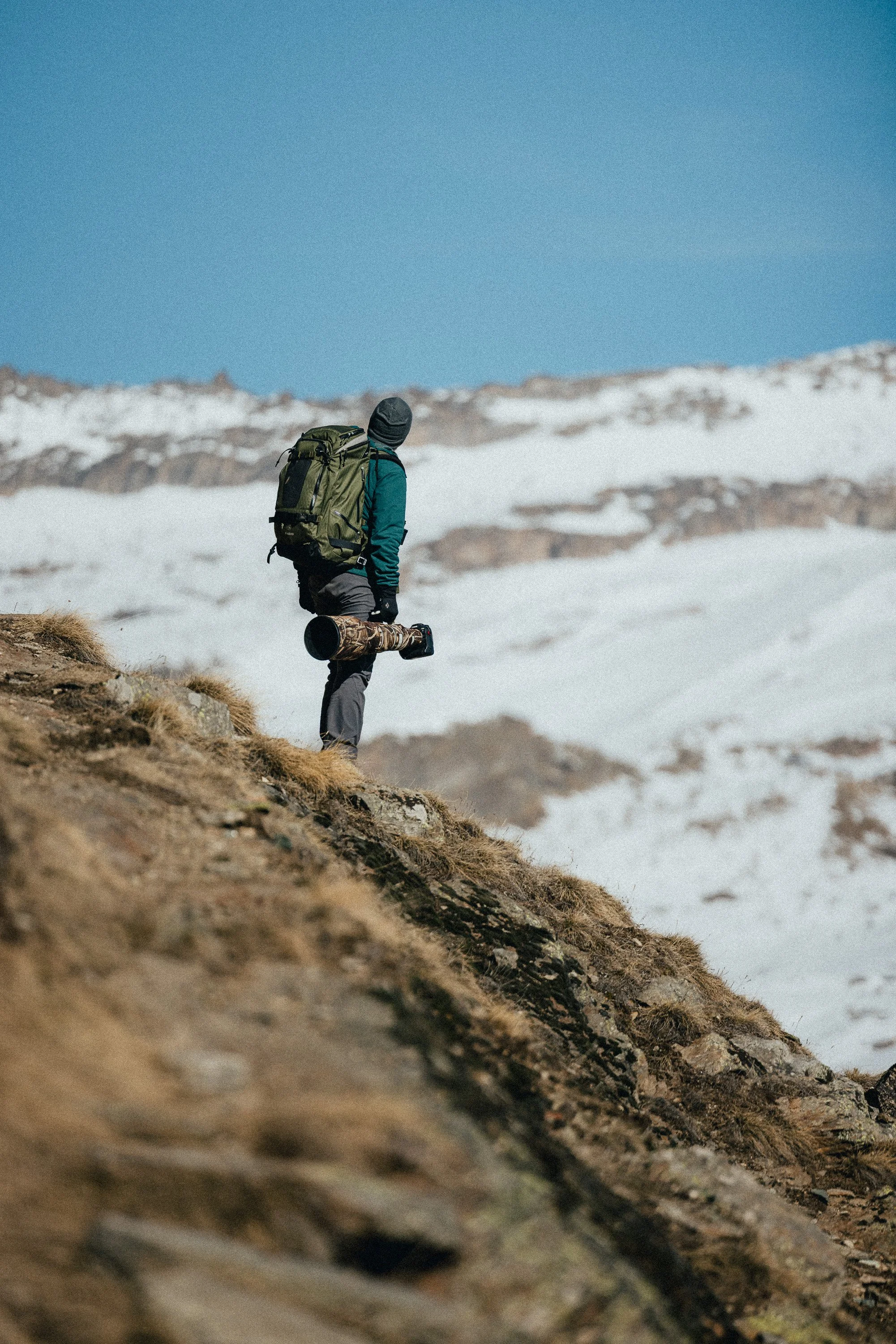
Your gear needs to be organised, protected, and accessible, often all at once. I use the f-stop Tilopa with a large ICU (Internal Camera Unit) for safaris and the PGYTECH OneMo or OnePro for lighter hiking missions. What I love about modular systems is that I can remove the ICU and drop it into a duffel if needed, or rearrange compartments depending on the day’s gear.
Good straps and hip belts are also essential when you’re lugging heavy glass up hills or across airports. Don’t skimp here; comfort matters more than you think.
9. Compact Power Bank / Solar Charger
If you’re serious about multi-day trips, remote hikes, or overlanding, you’ll want field power. I rely on Bluetti, Anker, and Goal Zero systems to charge camera batteries, phones, and even laptops when needed. Look for options with USB-C PD output and a high-capacity mAh rating.
If you're headed somewhere with intense sun exposure (like Namibia or Patagonia), consider a foldable solar panel setup to keep things topped up. Just be sure your power bank can charge while discharging.
10. Portable SSD or Backup Drive
Backing up daily is a non-negotiable for me. Cards fail. People make mistakes. And when you’ve travelled halfway across the world for a photo, the last thing you want is to lose it.
I use SanDisk Extreme SSDs and G-Technology drives. They’re fast, rugged, and reliable — and they don’t require a laptop to offload if you use a backup hub like the GNARBOX or RAVPower file hub. Trust me, the peace of mind is worth every cent.
Final Thoughts
The beauty of wildlife photography lies in nature's unpredictability. But that same unpredictability is what makes the right accessories so essential. From stabilising your shot to protecting your gear, powering up in the wild to keeping everything organised, the little things add up.
You don’t need all of these to get started. But if you’re looking to push your results further, these tools can make a bigger difference than you’d expect. Most of them have paid for themselves within a trip or two, either by saving a photo, a lens, or my sanity.
So, before you invest in yet another lens or a new camera body, maybe ask yourself what’s missing from your support system. Because sometimes, the best upgrade… isn’t the one that takes the photo.
And if you'd like to see my gear in action, check out my YouTube video on how I travel with big lenses and manage gear stress on long-haul flights. I share everything—from bag setup to check-in hacks—and it’s saved me a ton of headaches over the years.