
Making the Most of Harsh Light
On summer days the sun climbs high and bathes the landscape in a hard, unforgiving light. Shadows are deep, highlights blow out easily and most photographers pack up their gear to wait for golden hour. Yet wildlife doesn’t pause its routines when the light isn’t perfect. Learning to work with harsh light not only expands your shooting window but can also yield images with drama and grit when handled with intention.
Embrace contrast and look for edges
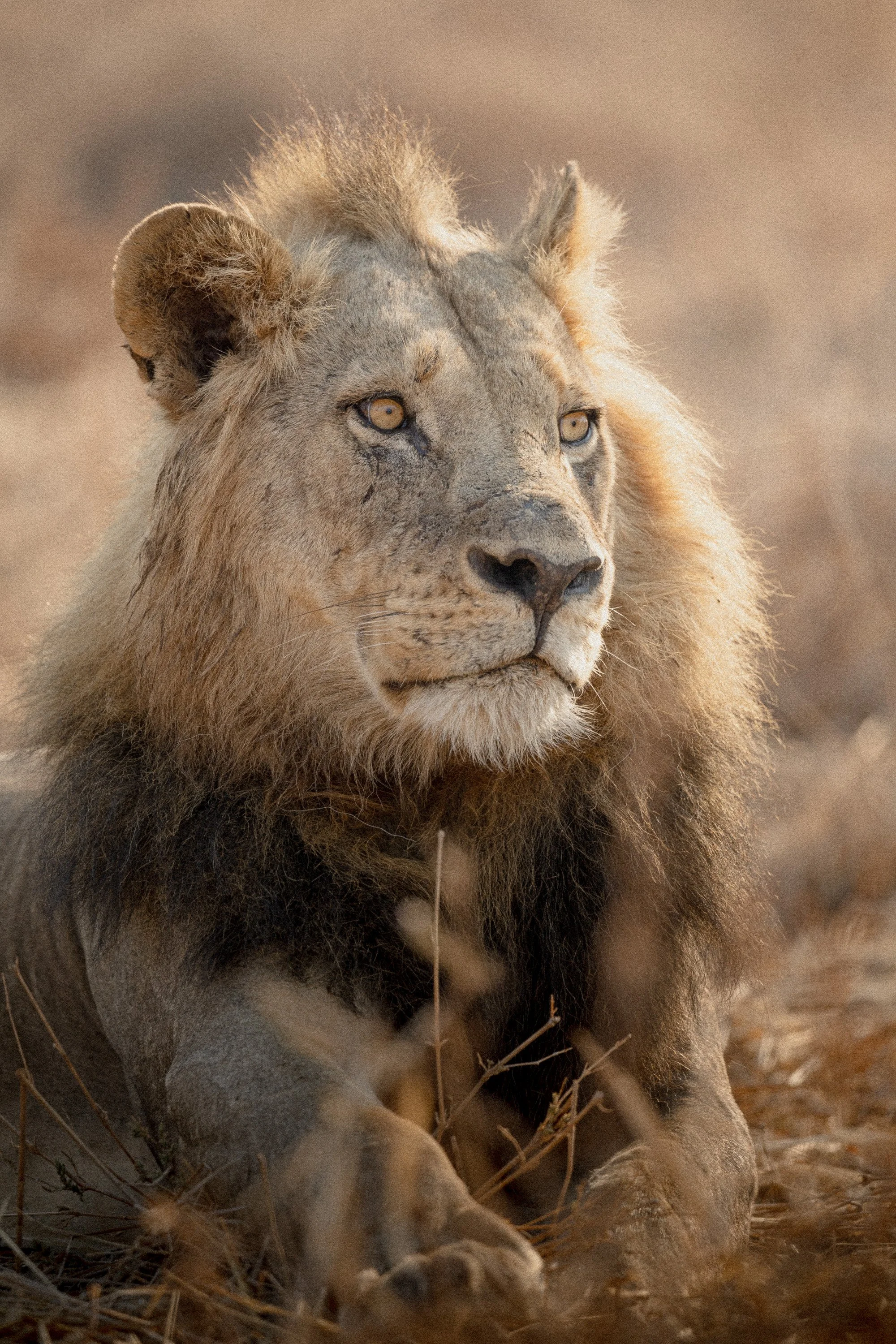
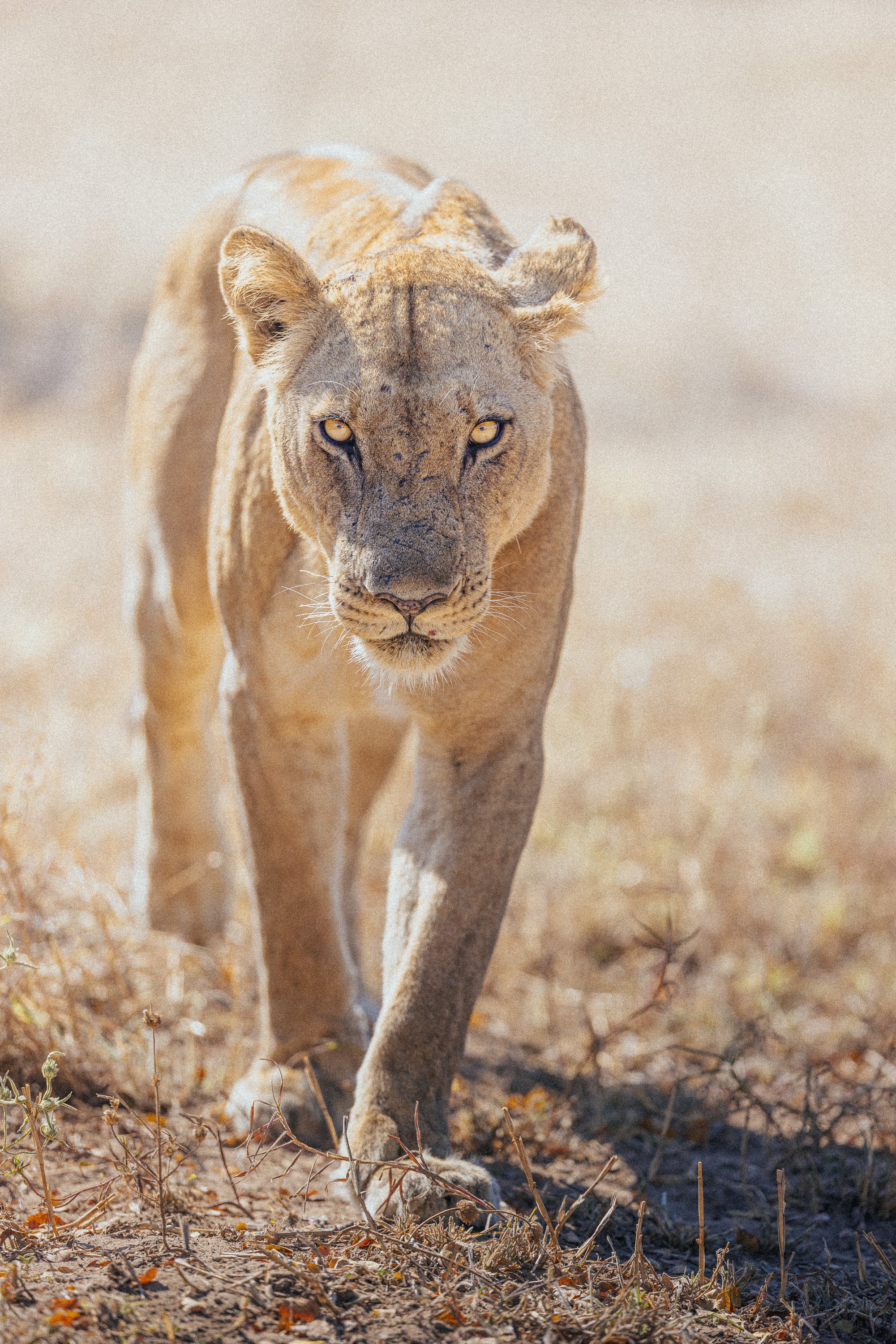
Midday light is often maligned because it creates strong contrast. Use that contrast to your advantage. Backlighting outlines a subject’s fur or feathers with a rim of light; side lighting emphasizes textures and musculature. Instead of shooting from your usual eye level, get low and aim upward so your subject is against the sky. Expose for the highlights — let the shadows go deep and rich — and you will avoid blown‑out details. Black‑and‑white processing later can further harness contrast into graphic compositions.
Manage dynamic range with exposure controls
In bright conditions, your camera’s dynamic range is tested. Use the histogram and highlight warnings to avoid clipped whites. Dial in a bit of negative exposure compensation to retain highlight detail, then recover shadow information in post‑production. If the subject is in patchy light, wait until it steps fully into either light or shade; mixed lighting confuses exposure meters and produces muddy results. A polarizing filter can reduce glare on water and foliage, deepening colours; just be aware that it may affect shutter speed.
Seek open shade and natural modifiers
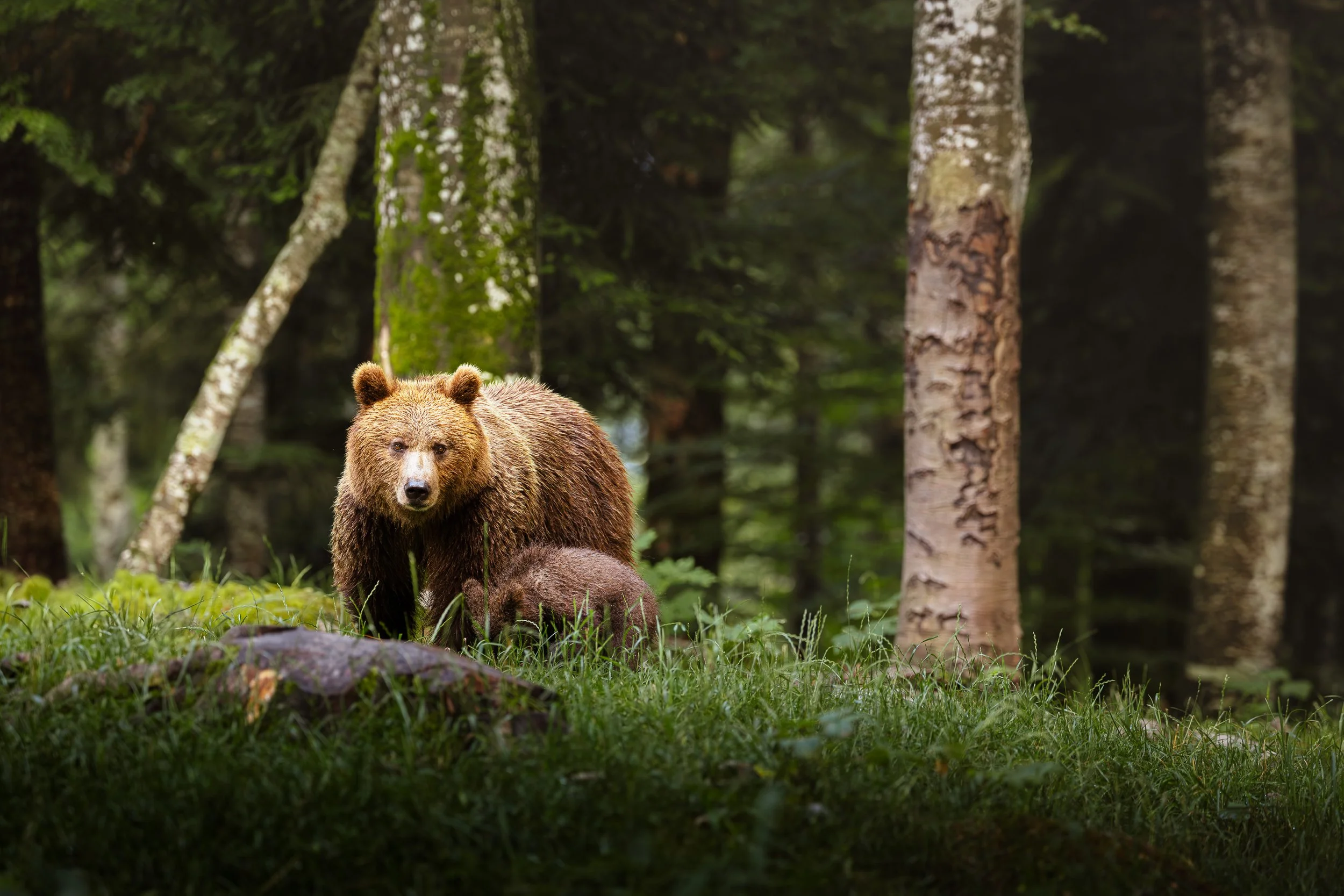
Animals will often move into shade during the hottest part of the day. Position yourself where a shaft of light cuts through foliage and illuminates your subject while the background remains dark. The transition between light and shade can create a natural vignette. If you’re patient, a subject may briefly step into a pool of light, offering a striking moment amid otherwise flat conditions. When photographing from a hide or vehicle, use the edge of a window or a piece of cloth as a makeshift flag to block stray light from hitting the front element and causing flare.
Be mindful of the animal’s comfort
Harsh light often coincides with high temperatures. Animals may be stressed by heat and less tolerant of human presence. Keep your distance, minimize movement and avoid pushing them into open spaces where they are exposed to predators and heat. Your own comfort and clarity matter too; wear a hat, carry water and know when to pause. Respect for the animal includes acknowledging the environmental conditions you both share.
☀️ Anyone can make a great photo in golden hour.
The real challenge is learning to see the opportunity when the light is harsh, the shadows are deep, and the scene isn’t easy.
That’s what we practice on my workshops — working with real conditions, in real time. From soft sunrise to brutal midday, we learn how to shape light, read behavior, and adapt without missing the shot.
If you’re ready to grow beyond presets and predictable lighting, I’d love to see you in the field.


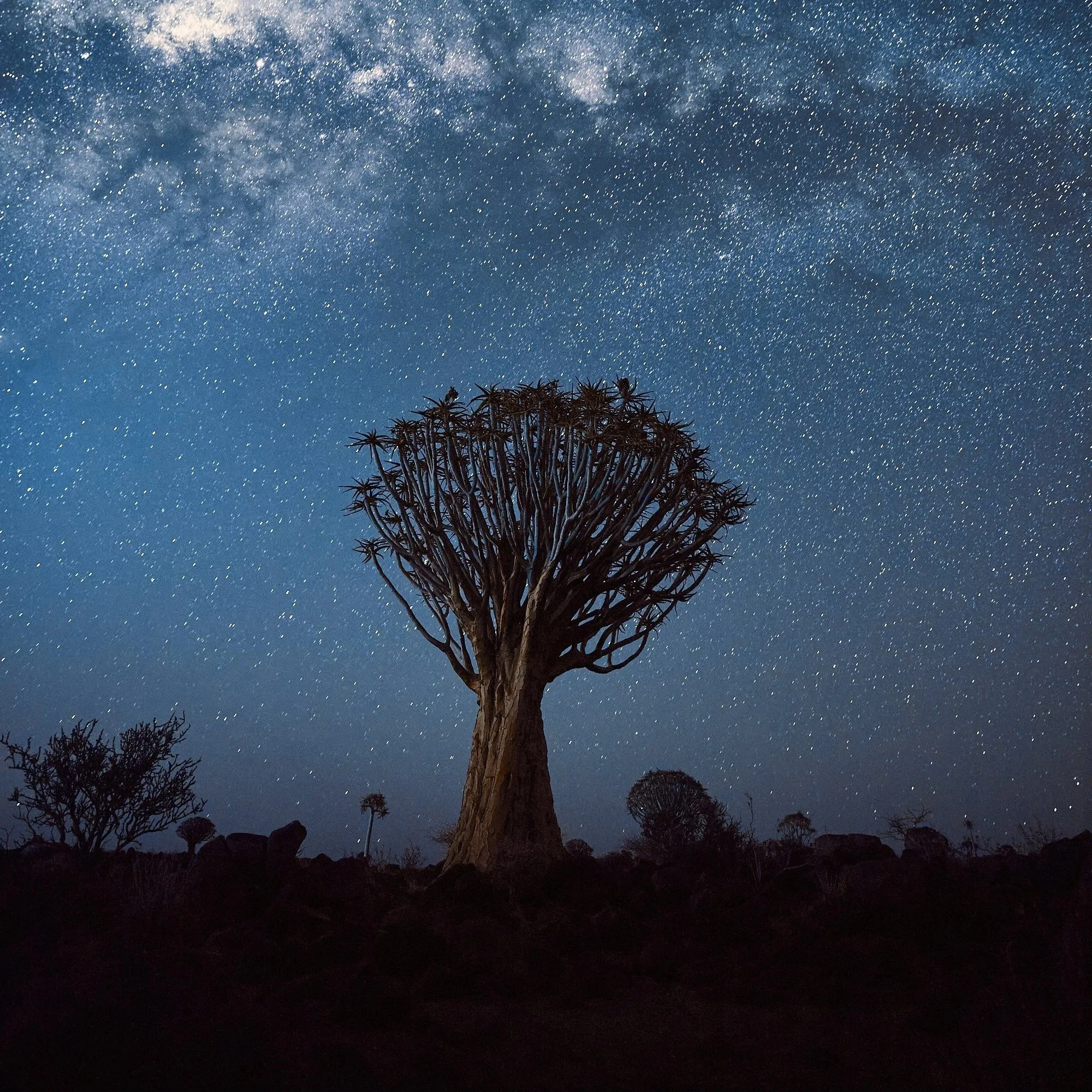
Harsh light is challenging, but it doesn’t have to drive you indoors. By embracing contrast, managing exposure carefully and using natural modifiers, you can turn midday conditions into an opportunity. Some of my favourite photographs were made under a glaring sun when most photographers had already left. For more nuanced strategies and real‑time practice, sign up for my newsletter or join one of my workshops where we explore light in all its forms and learn how to work with it rather than against it.
May 15 - 27, 2026