
Best Wildlife Photography Cameras for Beginners in 2026 (Top Picks & Buying Guide)
When I started photographing wildlife I did so with a second‑hand DSLR and a lens held together with duct tape. I missed more shots than I captured, but those early experiences taught me that curiosity and fieldcraft matter more than megapixels. Today’s entry‑level cameras are far more capable and choosing one can feel overwhelming. Specifications lists read like a foreign language and marketing messages imply that each new release will transform you into a pro overnight. This guide is here to cut through the noise. We’ll look at the most compelling beginner‑friendly bodies of 2026, focusing on the features that matter for wildlife photography: autofocus, burst rate, sensor size, ergonomics and price. I’ll also touch on the benefits of used DSLRs, which still offer excellent value for those starting out.
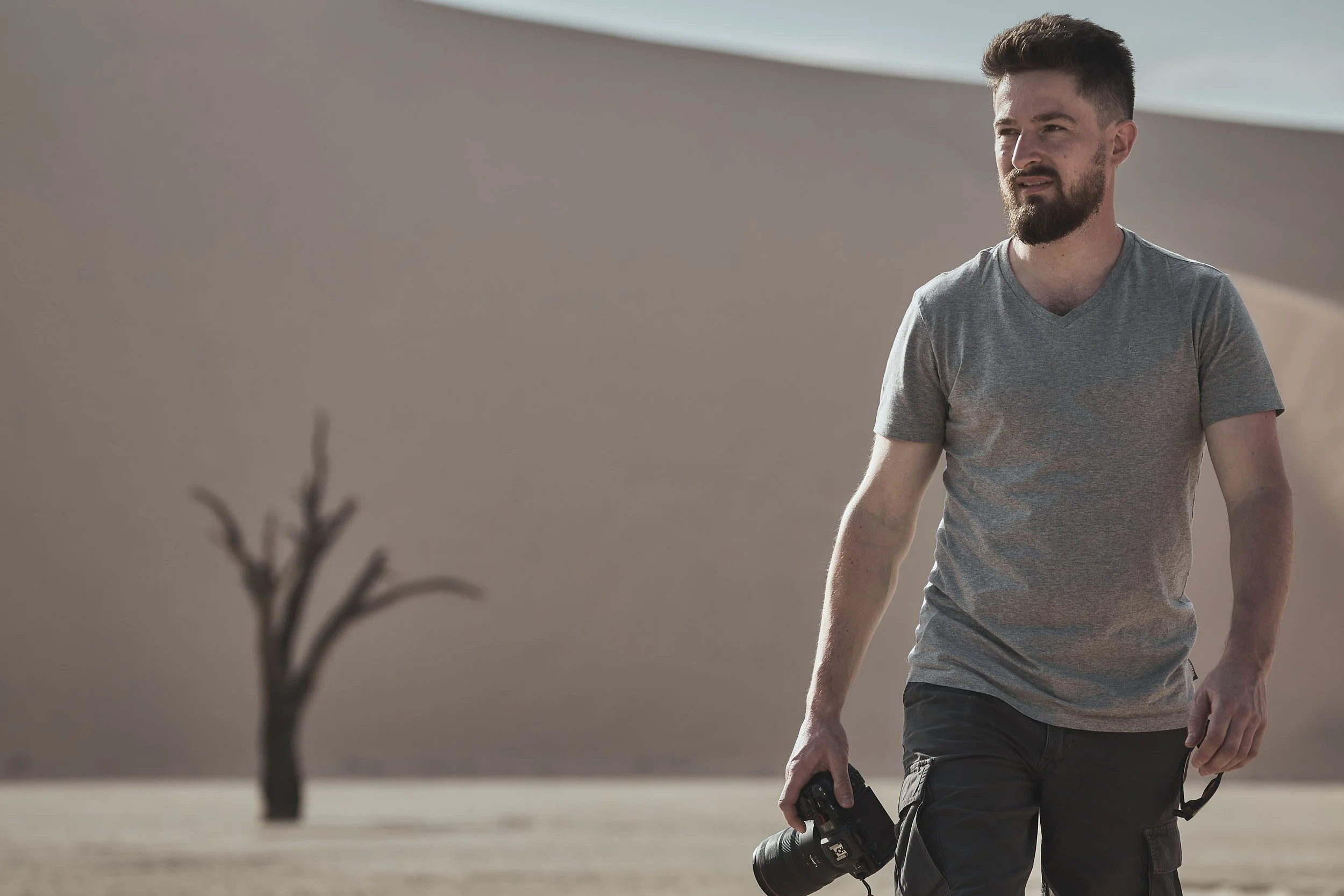
The author working in Namibia with Canon R5+15-35mm f/2.8
What to look for in a beginner wildlife camera
Before comparing models, let’s establish the criteria that make a camera suitable for wildlife photography:
Autofocus speed and accuracy: Wildlife moves unpredictably. You want a camera that can lock onto a subject quickly and follow it as it darts through grass or branches. Eye‑AF for animals is a plus but not essential if your technique is good.
Burst rate and buffer depth: A camera that can shoot at least 8–10 frames per second (fps) with a deep buffer helps capture fleeting moments like a bird taking off. Mirrorless bodies have pushed this benchmark higher; some offer 20 fps or more.
Sensor size and resolution: APS‑C and Micro Four Thirds sensors give your lenses extra reach thanks to their crop factor, which can be beneficial when your budget doesn’t stretch to long primes. Full‑frame sensors deliver better low‑light performance and shallower depth of field at the same aperture. For beginners, 20–30 megapixels is more than enough to produce large prints.
Battery life and weather sealing: Wildlife photography often happens far from power outlets and in harsh environments. A camera that can withstand dust and drizzle, and shoot for several hours on a single battery, will serve you well.
Ergonomics and menu system: The best camera is the one you enjoy using. Look for a body that feels comfortable in your hands, with intuitive controls and a clear viewfinder.
Price and future ecosystem: Your camera is an entry point into a brand’s system. Consider the lenses and accessories available, and whether the system offers room for growth as your skills develop.
With those criteria in mind, let’s dive into the contenders for 2026.
Canon EOS R7
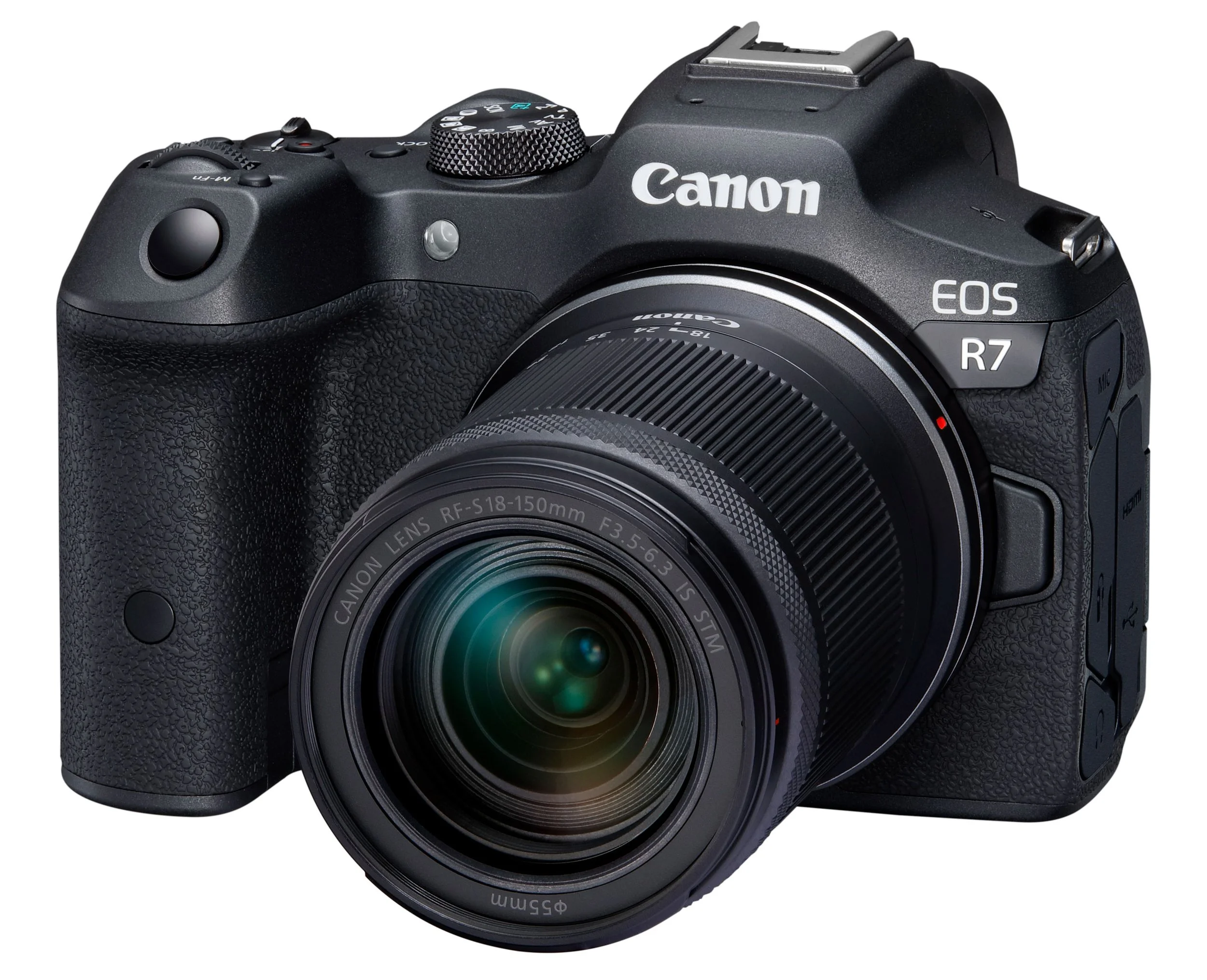
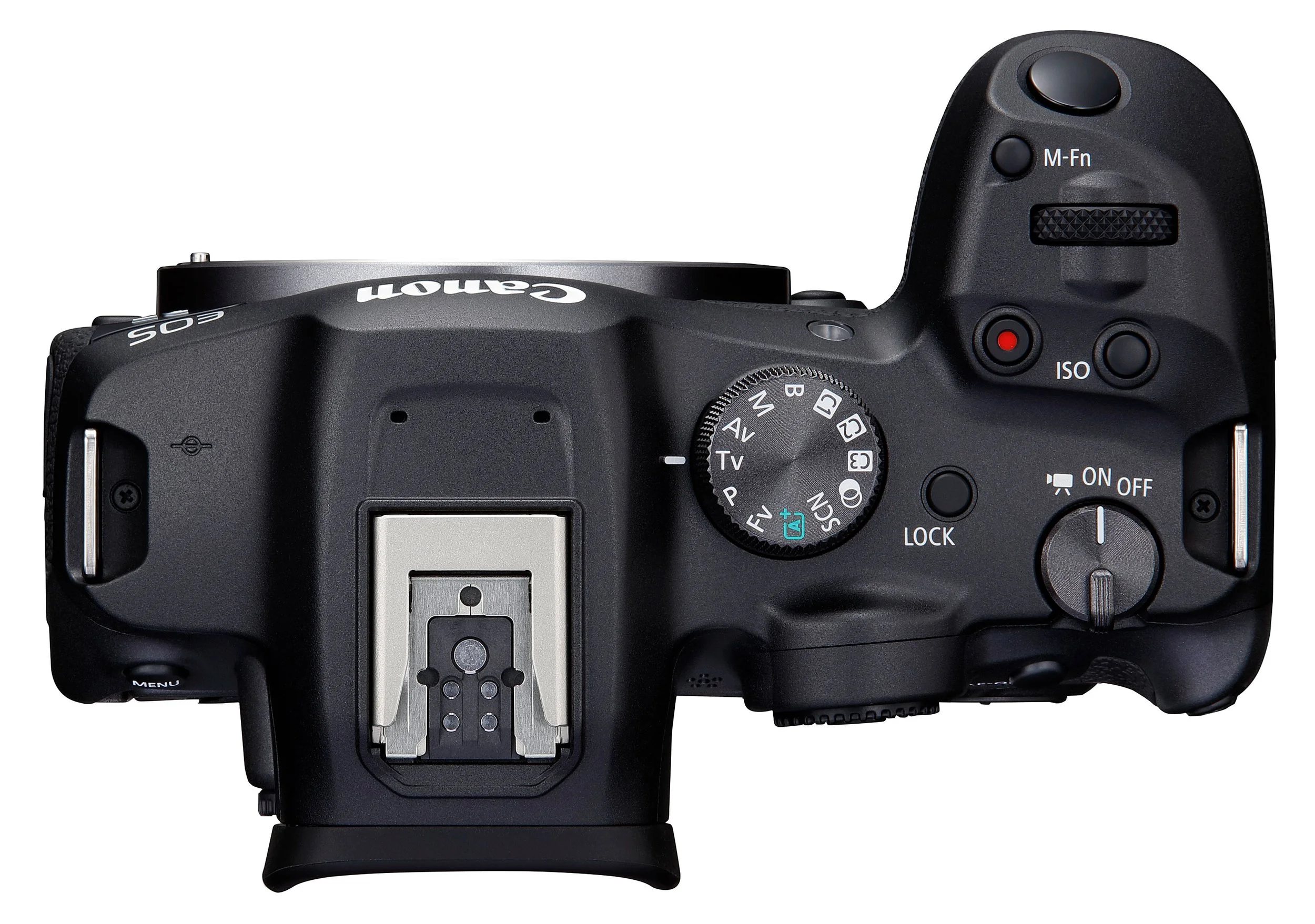
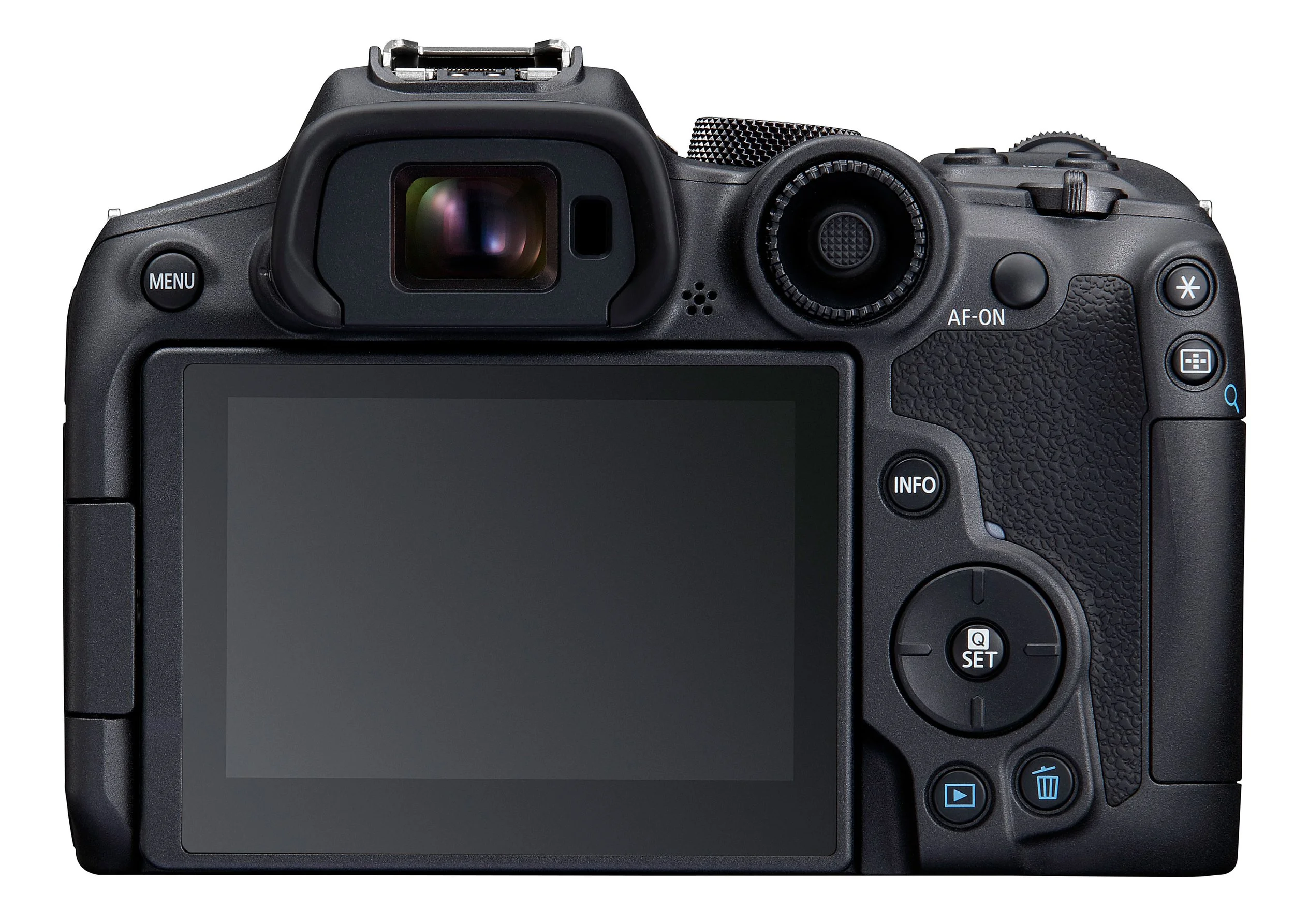
The Canon R7 sits at the top of Canon’s APS‑C mirrorless range. It combines a 32.5 MP sensor with in‑body stabilisation and a headline burst rate of 30 fps using the electronic shutter. Its Dual Pixel CMOS AF II system includes animal detection, tracking birds and mammals with impressive accuracy. For beginners, the R7 offers a potent mix of speed and resolution, though achieving the full 30 fps requires shooting in a compressed format. The body is weather‑sealed and weighs 612 g, making it comfortable for long days in the field. Pair it with the RF 100–500 mm for a lightweight safari setup.
Who it’s for: Ambitious beginners who want a camera they won’t outgrow quickly. If you envisage moving into semi‑professional work, the R7 gives you room to grow. The crop factor (1.6×) extends your lenses, turning a 500 mm into an 800 mm field of view.
Trade‑offs: High‑speed electronic shutter shooting can exhibit rolling‑shutter distortion on very fast subjects. The RF lens lineup is expanding but still expensive. If budget is tight, look at used EF glass with an adapter.
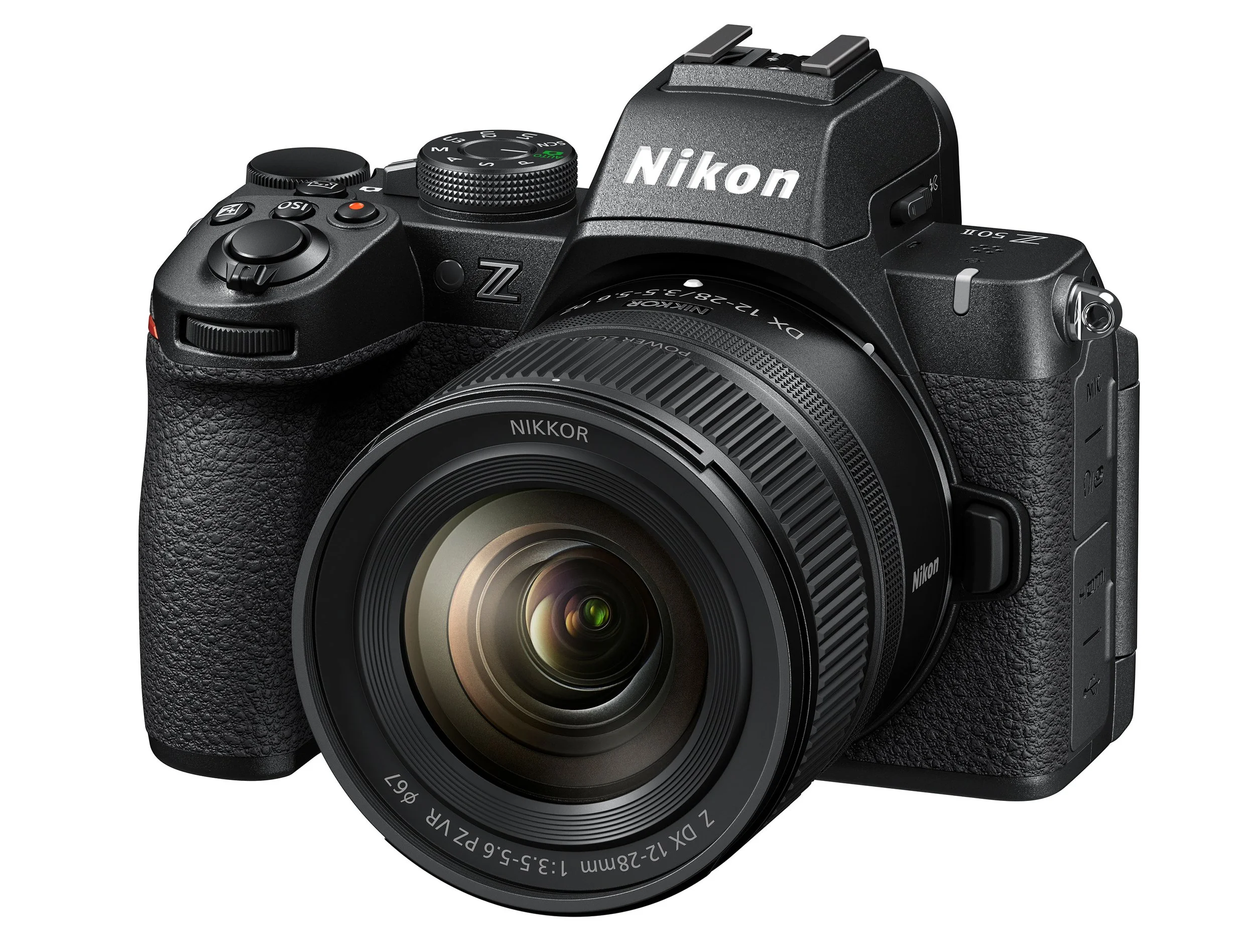
Nikon Z 50 II
Nikon updated its entry‑level Z 50 in late 2025, improving autofocus and video while keeping the 20.9 MP APS‑C sensor. The Z 50 II offers 11 fps continuous shooting, reliable subject tracking and a tilting touchscreen. It lacks in‑body stabilisation, so pairing it with lenses that have optical stabilisation—like the Z 50–250 mm—is advisable. The camera body is compact and feels solid, though weather sealing is limited compared to higher models.
Who it’s for: Photographers who value simplicity and a smaller form factor. The Z 50 II is a great travel companion and pairs well with Nikon’s affordable Z‑mount tele‑zooms, such as the 50–250 mm or the new 180–600 mm for when you’re ready to invest more.
Trade‑offs: The lack of IBIS means you’ll rely more on lens stabilisation and technique when hand‑holding long lenses. Burst rate is modest compared to some competitors.
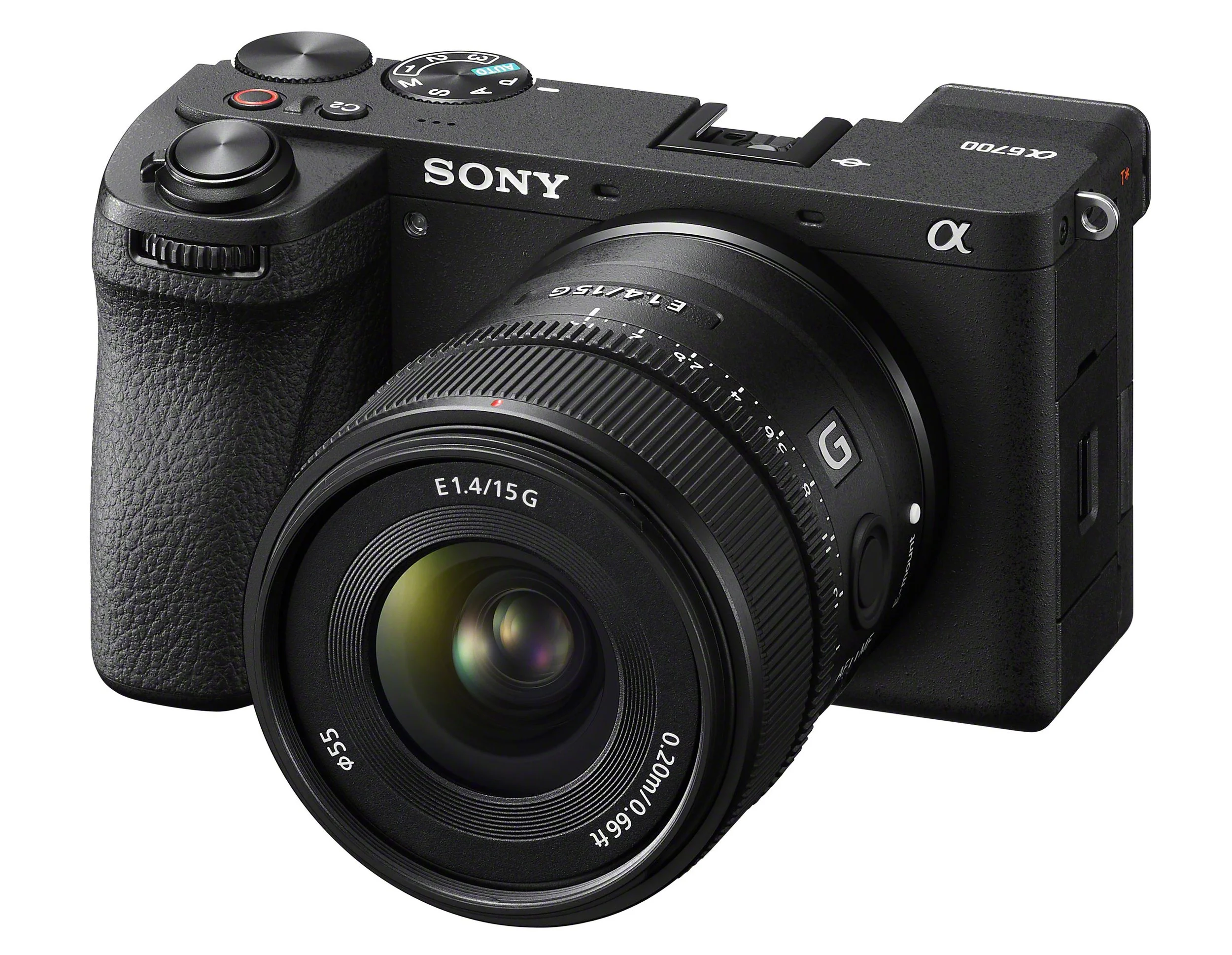
Sony A6700
Sony’s A6700 builds on the popular A6600 with a 26 MP APS‑C sensor, improved autofocus with AI‑based subject recognition and up to 11 fps shooting. Sony leads the pack in autofocus for moving subjects; the A6700 inherits features from its higher‑end brethren, including Real‑Time Eye AF for animals. Its battery life is respectable, and the body includes stabilisation. The range of native lenses is excellent, with both Sony and third‑party manufacturers like Tamron and Sigma offering lightweight tele‑zooms.
Who it’s for: Beginners who prioritise autofocus performance and want a small, lightweight system. Street photographers transitioning into wildlife will appreciate its versatility.
Trade‑offs: Menus can be complex, though Sony has improved organisation. Some ergonomics feel cramped for larger hands. Weather sealing is minimal.
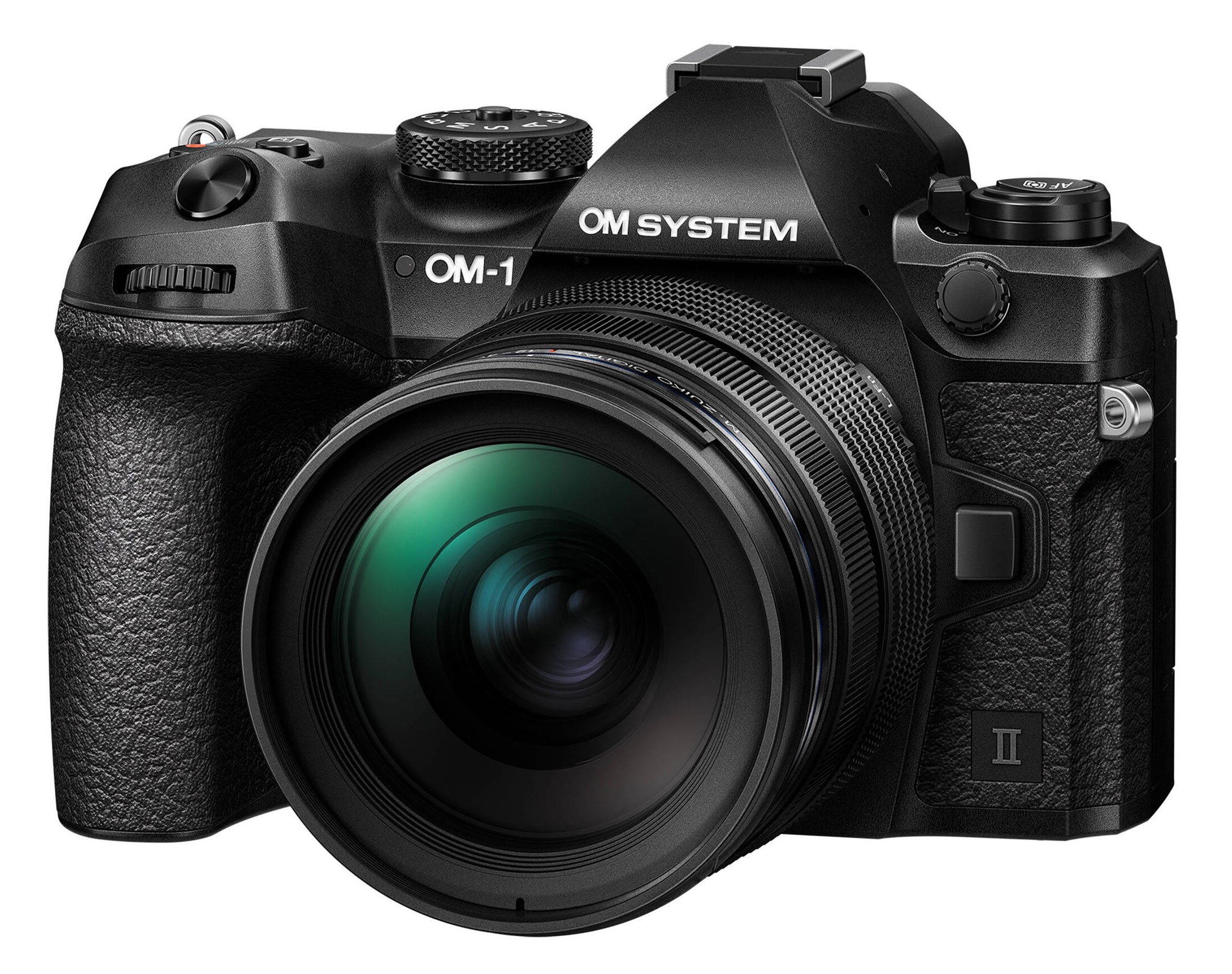
OM System OM‑1 Mark II
The OM‑1 II (formerly Olympus) uses a 20 MP Micro Four Thirds sensor with a 2× crop factor. What sets it apart is its computational photography features and incredible image stabilisation, which allows hand‑held shooting at very slow shutter speeds. It offers 15 fps mechanical and 50 fps electronic shooting with continuous AF, making it a speed demon. The smaller sensor means more noise at high ISO, but its portability and deep lens lineup (including the 150–400 mm f/4.5 with built‑in extender) make it a strong candidate for travel.
Who it’s for: Photographers who value portability and innovative features like Pro Capture (which records frames before you fully press the shutter). Birders who appreciate the extra reach of the 2× crop will find the system appealing.
Trade‑offs: Low‑light performance lags behind larger sensors. The Micro Four Thirds system is mature but not as widely adopted, which can affect resale value.
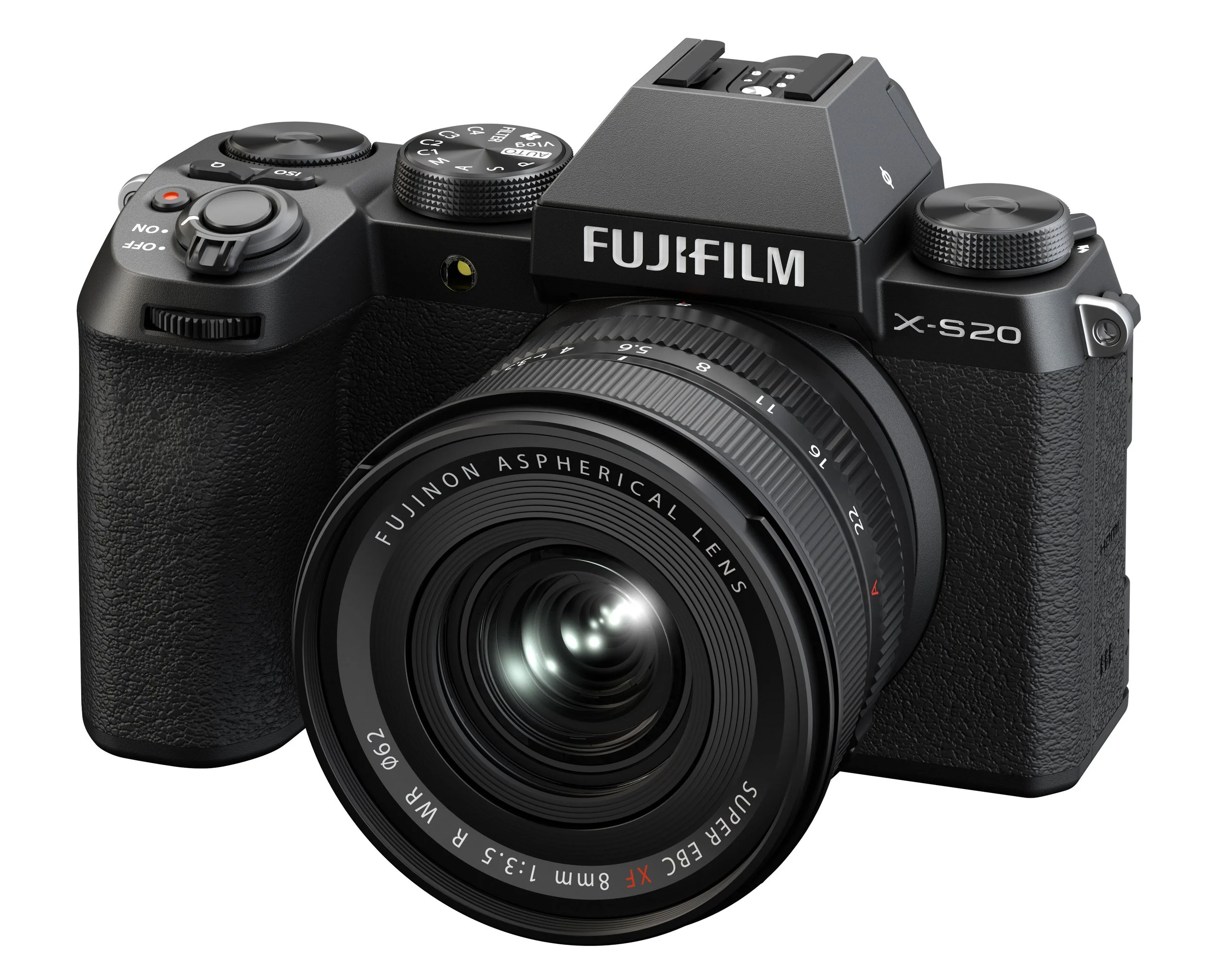
Fujifilm X‑S20
Fujifilm’s X‑S20 offers a 26 MP APS‑C sensor, 8 fps continuous shooting and excellent colour science. Its autofocus has improved markedly, now including subject detection for animals and birds. Fujifilm’s lenses are renowned for their optical quality and tactile aperture rings. The X‑S20 includes IBIS and shoots 4K video, making it a hybrid choice for photo and video creators.
Who it’s for: Photographers who appreciate tactile controls and beautiful colour straight out of camera. If you like the idea of a system that excels in street, travel and wildlife, Fujifilm offers a distinctive alternative to mainstream brands.
Trade‑offs: The AF system isn’t as advanced as Canon’s or Sony’s for erratic subjects. Lens availability for very long focal lengths is limited; third‑party options are growing but remain fewer.
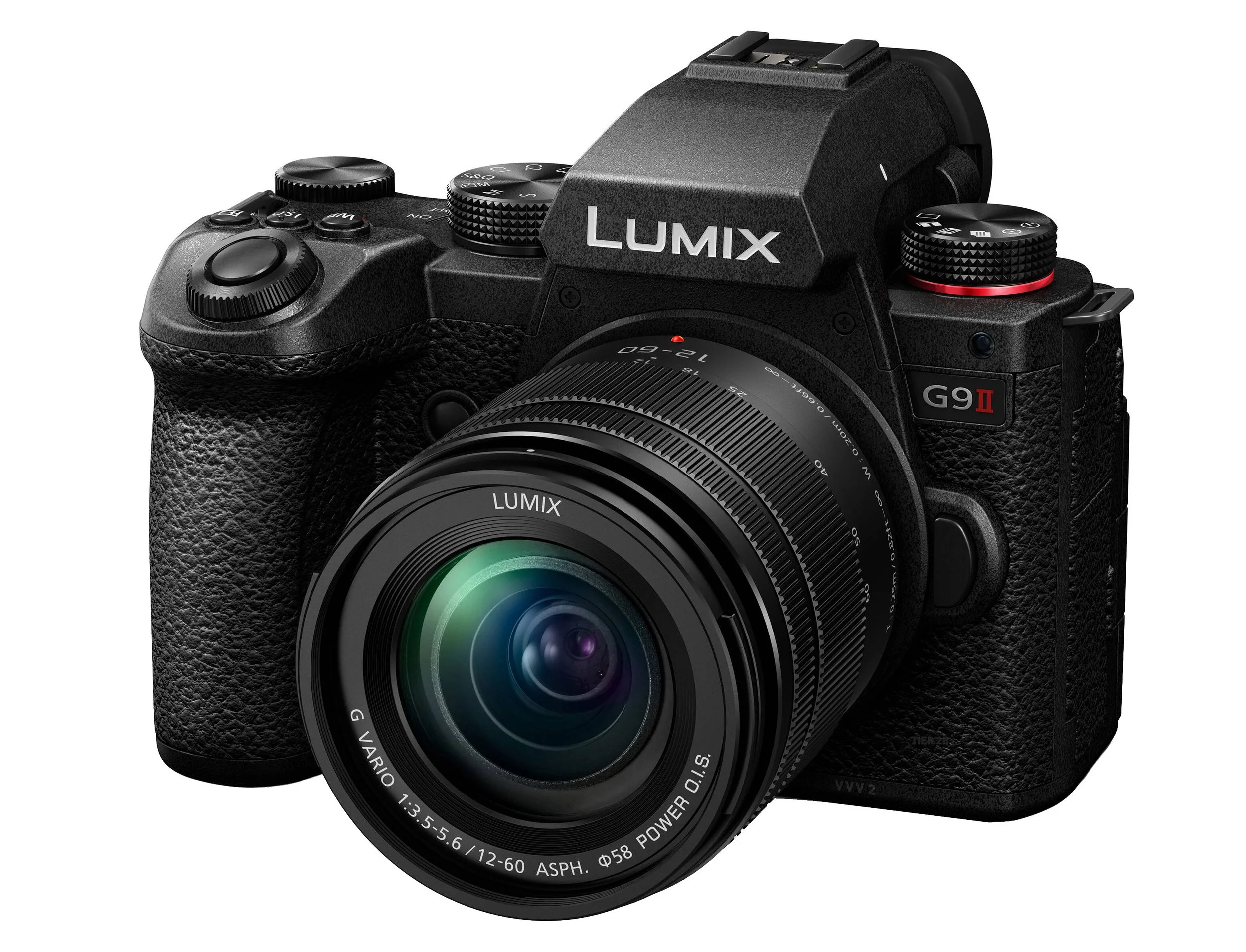
Panasonic Lumix G9 II
Panasonic’s G9 II sports a 25 MP Micro Four Thirds sensor and uses phase‑detection autofocus—a first for Panasonic mirrorless. It shoots 14 fps mechanical and 75 fps electronic bursts, giving it remarkable speed. The camera is rugged and weather‑sealed, with a comfortable grip. Pair it with Panasonic’s 100–400 mm or 100–300 mm lenses for a compact wildlife kit.
Who it’s for: Photographers who need speed and stabilisation in a travel‑friendly package. Videographers will appreciate Panasonic’s colour profiles and video options.
Trade‑offs: As with the OM‑1, low‑light performance isn’t as strong. The lens ecosystem is narrower than Canon’s or Sony’s, though it is growing.
Entry‑level full‑frame options
While APS‑C and Micro Four Thirds are popular for beginners, some full‑frame cameras have become affordable enough to consider:
Canon EOS R8 – A stripped‑down full‑frame body with a 24 MP sensor, 40 fps electronic burst and excellent Dual Pixel AF. It lacks IBIS, so pair it with stabilised lenses. Ideal for photographers who want shallow depth of field and can manage with fewer controls.
Nikon Z 5 – A 24 MP full‑frame mirrorless with solid build quality, dual card slots and IBIS. It shoots at 4.5 fps, which is slow for action, but for a landscape and moderate‑speed wildlife hybrid it’s a bargain.
Sony A7C II – A compact full‑frame camera with a 33 MP sensor, 10 fps burst and strong AF. Its rangefinder‑style body is polarising; some love the size, others miss a deeper grip.
The value of used DSLRs
As mirrorless technology advances, the used DSLR market has become a treasure trove for beginners. For a fraction of the price of a new mirrorless kit, you can acquire a Canon 7D Mark II with a 100–400 mm lens or a Nikon D500 paired with a 200–500 mm. These cameras still produce stunning images when used thoughtfully. Their optical viewfinders offer a direct connection to the scene; their batteries last all day. Yes, they lack eye‑AF and silent shutters, and they’re heavier, but the money saved can go toward a workshop where you’ll learn skills that serve you for life.
How to choose the right camera for you
Define your subject: Do you primarily photograph birds, mammals, landscapes or a mix? Birders may prefer the extra reach of APS‑C or Micro Four Thirds; mammal photographers might appreciate full‑frame depth of field.
Assess your budget: Allocate funds for both camera and lenses. A body is only as good as the glass in front of it. Consider second‑hand options to stretch your budget.
Handle the camera: Visit a store or borrow a friend’s camera. Feel how it fits in your hand. Check menu layouts. A camera you enjoy handling will encourage practice.
Think ahead: Choose a system that can grow with you. Look at the lenses available and whether you might upgrade bodies in a few years.
Prioritise learning over gear: No camera will make you a better photographer by itself. Invest time in understanding exposure, light and animal behaviour. A course or mentorship can accelerate your progress more than a new sensor.
Conclusion: start where you are, grow with intention
Selecting your first wildlife camera is a personal journey. It’s easy to be swayed by advertising or swamped by online opinions. Start with the camera that best fits your budget and goals, then commit to learning its ins and outs. All of the cameras listed above are capable of producing beautiful wildlife images; your creativity, patience and respect for your subjects will determine how meaningful those images become.
If you’re unsure which path to take, my Sharp Photography Fundamentals course is designed to demystify camera settings and teach you how to make the most of any equipment. We focus on composition, light and fieldcraft—the skills that remain constant regardless of model or brand. For more personalised guidance in choosing and using gear, my 1:1 mentorship programme offers tailored advice that can save you thousands in unnecessary purchases and fast‑track your growth. Remember, the best camera is the one that allows you to focus on the story in front of you, not the gadget in your hands.